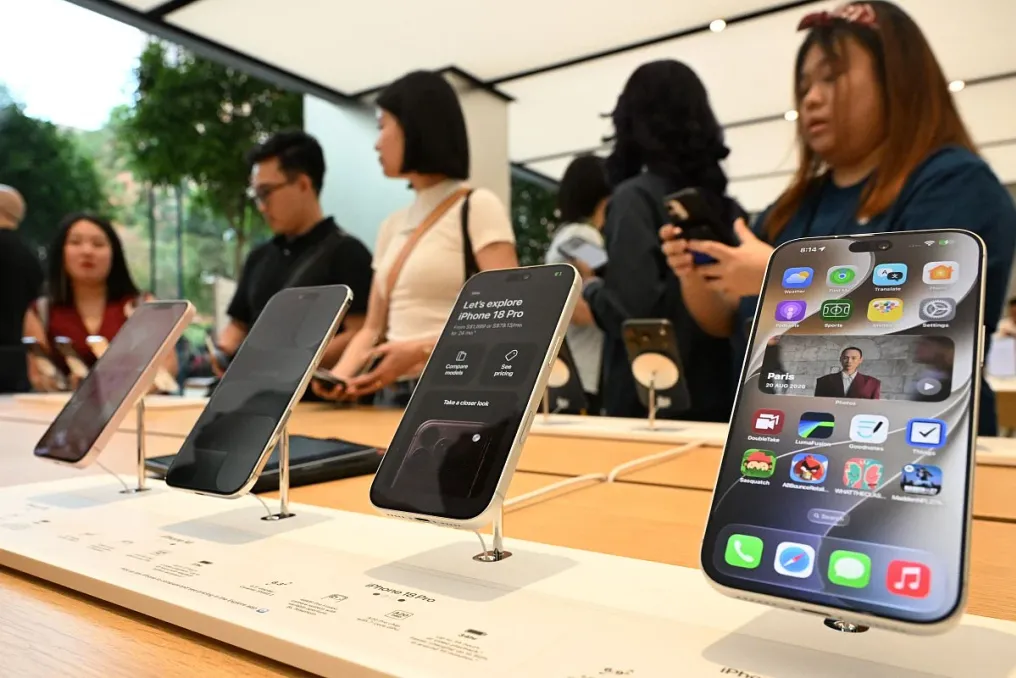
Cybersecurity has warned about the appearance of fraudulent websites that offer overly attractive conditions for purchasing the latest Apple phones, such as the iPhone 18 Pro and iPhone 18 Pro Max, for users planning to upgrade their mobile device.
Experts from Kaspersky discovered that scammers are using these fake resources to attract customers by promoting non-existent offers in several languages, including English, Arabic, and Portuguese.
One of the identified sites allows users to 'purchase' the iPhone 18 Pro and iPhone 18 Pro Max, specifying technical characteristics and providing a 25% discount. Scammers also accept Bitcoin as a payment method.
According to Olga Altukhova, Senior Web Content Analyst at Kaspersky, offers that seem incredibly profitable, as well as product assortments that differ from those officially announced by the company, should be considered clear warning signs.
These fake websites are designed with an appearance that inspires trust to lower user vigilance and prompt them to enter personal data and transfer funds. However, the company warns that buyers may only suffer financial losses.
Among the schemes used by scammers are pre-order offers for iPhone 18 Pro devices in various colors, some of which differ from official options, as well as the ability to choose the desired memory capacity. The new iPhone 18 Pro and iPhone 18 Pro Max models are available in four colors: black, silver, icy, and a brand new burgundy. They come with storage capacities of 256 GB, 512 GB, 1 TB, and 2 TB.
To make the false offer even more tempting, the site claims that customers do not need to pay the full price immediately, and the remainder can be paid later. Furthermore, the 'seller' guarantees a full refund in case of cancellation.
Kaspersky shared screenshots of some of these websites. Furthermore, Kaspersky warns that in the next stage of the fraud, the fake site requests users' personal information, such as full name, phone number, email address, city of residence, and even WhatsApp contact details, which cybercriminals can use in social engineering schemes.
After this, buyers are asked to provide their bank card details. Ultimately, every stage of the process is designed to extract the maximum amount of information, which can subsequently be stolen, and victims' bank accounts can be emptied.
Altukhova notes: 'We have been observing the emergence of fraudulent offers around major device launches for many years. Consumer enthusiasm can give cybercriminals an additional advantage and increase their chances of profit.'
The company strongly advises users to exercise extreme caution when choosing places to shop and to make purchases exclusively through official and reliable sellers.
Kaspersky recommends that users:
- Always buy new goods from official and reputable stores to avoid becoming a victim of fraudulent offers.
- Check the authenticity of websites before entering personal data, carefully verifying URL formats and organization names.
- Ensure the security of payment information by using dedicated virtual cards or specialized payment services for online purchases, so as not to disclose credit card or bank account details.
- Enable multi-factor authentication and monitor accounts: activate 2FA in identification and financial applications and regularly check statements for unauthorized activity.