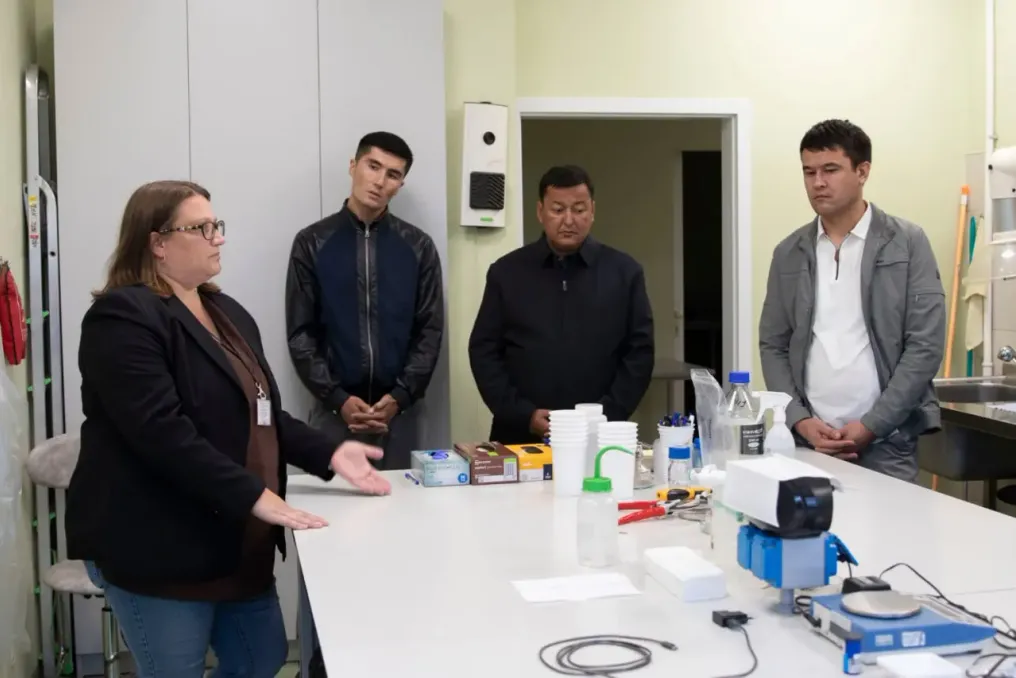
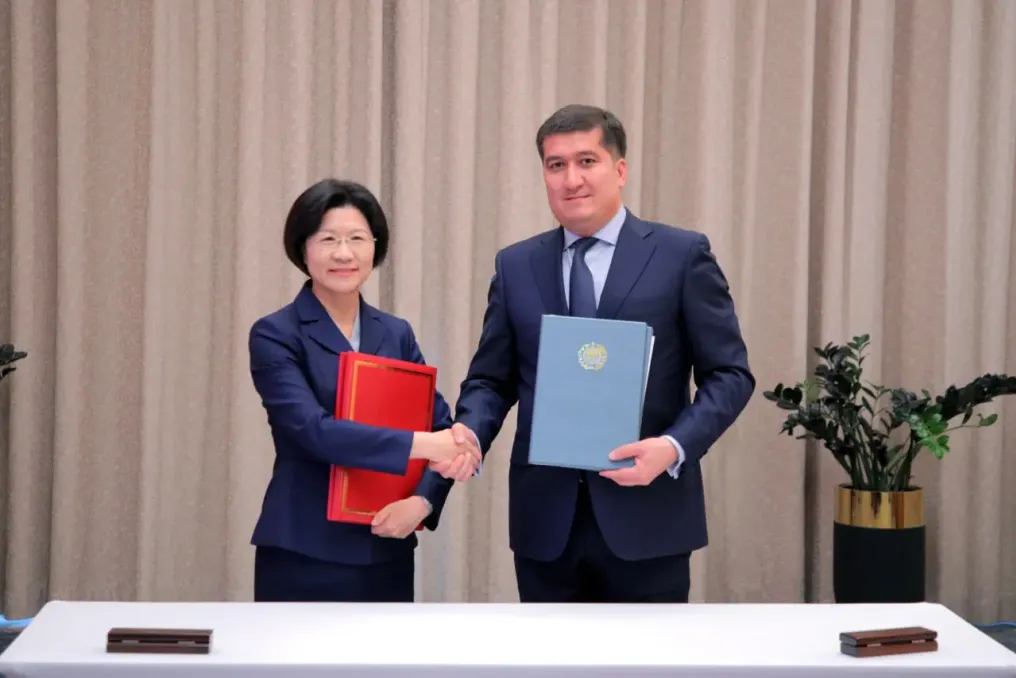
Azizbek Urunov, Chairman of the Uzbekistan Committee for Food Safety, held a meeting with Sun Meijun, Head of the General Administration of Customs of the People's Republic of China. The parties discussed the possibility of increasing trade in agricultural and food products, as well as phytosanitary and veterinary procedures, including the digitalization of certification.
Particular attention was paid to ensuring product safety at all stages, from production to readiness for sale. This area is of paramount importance for Uzbekistan due to the formation of a unified state system for food safety management.
This unified system was established according to Presidential Decree No. PF-84 dated May 12, 2026, which provides for the consolidation of powers in the fields of veterinary medicine, phytosanitary control, and food safety within a single structure.
Currently, 38 types of fruits and vegetables from Uzbekistan can be exported to China with phytosanitary certificates. In 2025, melons, almonds, and dried cherries were added to the list, and in 2026, dried garlic, onions, beets, carrots, tomatoes, radishes, pumpkins, eggplant, zucchini, and greens were included.
In 2025, Uzbekistan exported 193,000 tons of fruits and vegetables to China worth 210 million US dollars. The meeting discussed accelerating phytosanitary procedures for the admission of seven more types of products to the Chinese market: apples, pears, onions, peaches, dried figs, millet, and sunflower seeds.
The parties also reviewed issues of veterinary cooperation. Protocols regarding inspection requirements, quarantine, as well as veterinary and sanitary standards for exporting frozen poultry meat, fish, and fishery products from Uzbekistan to China have already been signed. A draft protocol establishing requirements for the export of cattle hides and skins and small ruminants is currently under internal approval.
Furthermore, veterinary certificates for importing eggs for incubation and juvenile chicks from China into Uzbekistan were signed. A veterinary certificate for the export of frozen poultry meat was also developed and agreed upon. Participants discussed procedures for admitting Uzbek meat and meat products to the Chinese market, with the Uzbek side providing materials for assessing the state veterinary control system and additional information on raised issues.
The issue of opening the Chinese market to Uzbek dairy and dairy products was also discussed. This process involves assessing the veterinary control system, agreeing on veterinary and sanitary requirements, developing a corresponding protocol, inspecting interested enterprises, and including them in relevant Chinese registries.
Electronic certification has become one of the new areas of cooperation. During the meeting, the parties signed a Work Plan for programs in this area. The document provides for phased electronic exchange of food product certificates, data exchange between competent authorities of the two countries, and simplification of trade procedures.
The integration of information systems and electronic certificate exchange are expected to accelerate authenticity verification, increase data reliability and traceability, and reduce product processing time. To integrate the systems, the parties agreed to develop a questionnaire and a target training program for specialists in China's CEFR information platform. According to the Uzbek side, the system has been improved, and the mechanism for including enterprises from partner countries in the Chinese registry has been simplified.
The practice of inspections using artificial intelligence, which classifies products by risk level, is also being implemented. If Uzbek specialists are interested, the relevant technologies will be included in the training program.
Following the meeting, Azizbek Urunov and Sun Meijun signed a Protocol on the Export of Fresh Melons and a Work Plan for Electronic Certification. These agreements aim to increase trade volumes, develop electronic data exchange, and simplify import and export procedures. The agreement on phytosanitary requirements creates conditions for producers and exporters of melons from Uzbekistan to enter the Chinese market.