The situation where a person cannot speak or hear and requires assistance presents a serious problem for law enforcement agencies. If such a person approaches the police with a complaint but can only communicate through gestures, officers may not understand the essence of the problem, which hinders the registration of the appeal and the provision of aid.
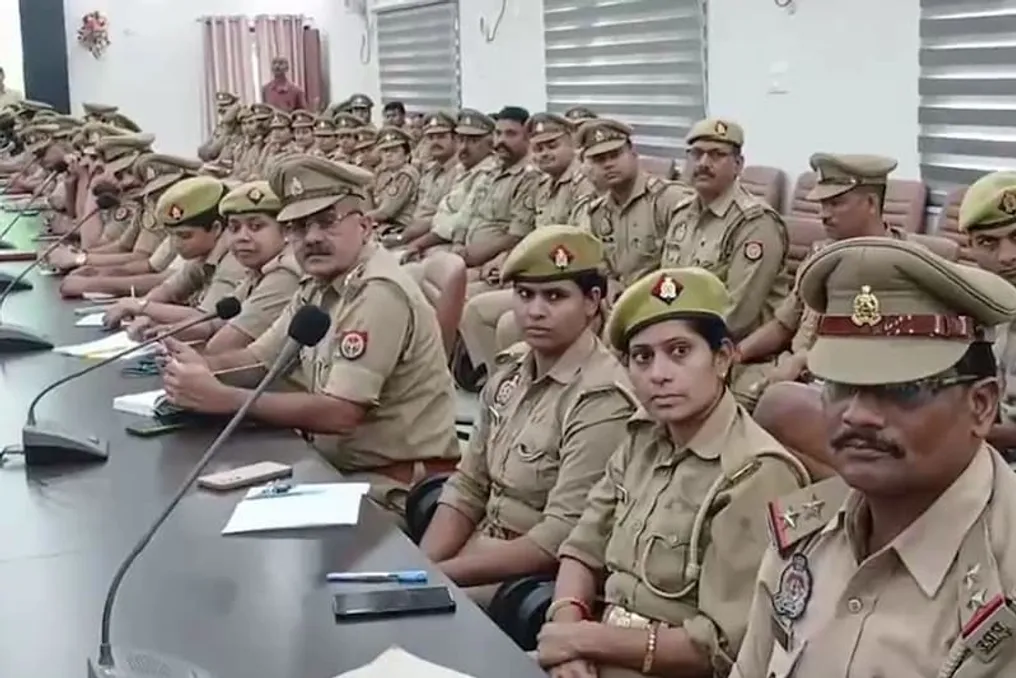
The Kanpur Police Department has taken steps to address this issue. As part of the celebration of International Sign Language Day, a special training session was held in the Police Commissionerate auditorium, attended by over 150 police officers. Participants included inspectors, junior inspectors, child welfare officers, and staff associated with the Shakti Mission initiative.
The goal of this training was not merely to learn a few signs, but to enable officers to understand basic messages from victims who are deaf or unable to speak, and to conduct initial-level dialogue with them. Since language is the primary means of communication between the police and the general public, and not everyone can communicate verbally or audibly, an intermediary or translator is often required.
If a victim needs urgent help and the police officer does not understand them, the process of registering the complaint and ascertaining the details of the incident can become extremely difficult. The Kanpur Police initiative is aimed precisely at reducing this communication gap.
During the training, officers were taught basic signs, letters of sign language, everyday words, and common expressions. Furthermore, information was provided on how to explain police procedures and legal matters using sign language. Thus, the training went beyond simple greetings, allowing officers to grasp important details related to complaints.
More than 150 police officers, including inspectors, junior inspectors, child welfare officers, and Shakti Mission staff, participated in the program. Special attention was paid to cases involving children and women, as it is critically important to quickly and correctly understand the victim's words in such instances. Sign language experts and translators practically trained the officers, and the police themselves repeated the signs for future use.
Police Commissioner Raghubir Lal viewed this initiative as part of the police's responsibility to society. He emphasized that police services must be accessible to all segments of society, and eliminating the language barrier in communication between the individual and the police is a necessary step. This means that the role of the police is not limited only to actions after a crime has been committed; the ability to hear the victim's words is also an important part of the rule of law system. This initiative to learn sign language is seen as a step towards more sensitive and inclusive policing. Upon completion of the program, participants were issued certificates, and representatives of organizations working on sign language were recognized.