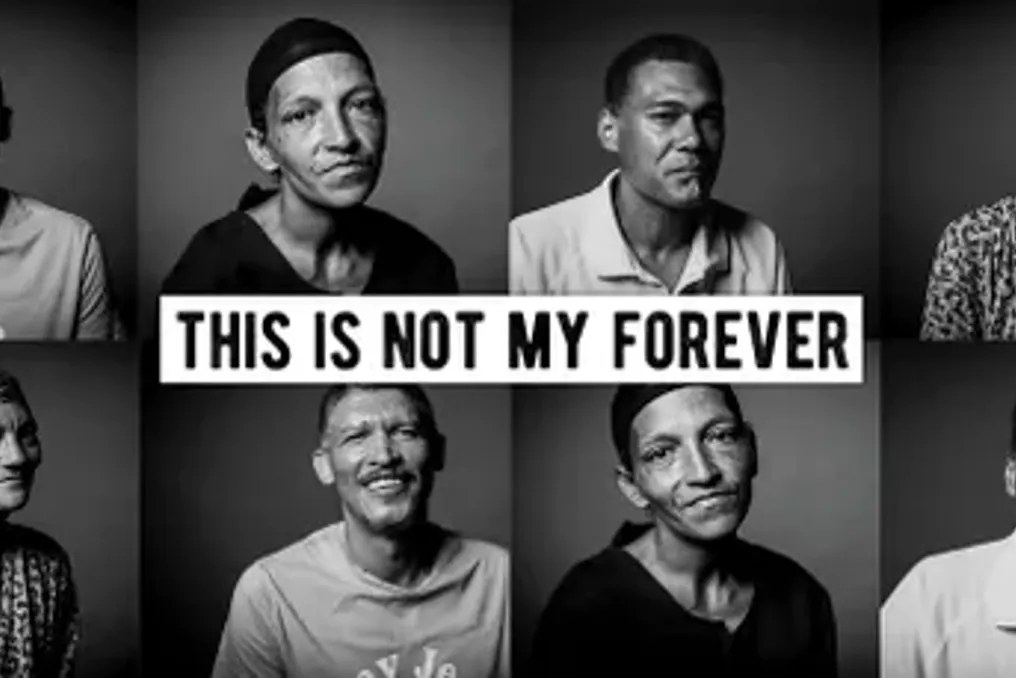
The digital storytelling campaign launched by the Cape Town City Improvement District (CCID) presents five stories of individuals who have experienced homelessness. These people share their survival experiences and hopes for the future, shedding light on the losses, daily struggles, and aspirations associated with their situation.
The 'This Is Not My Forever' initiative weaves together narratives of family death, child abuse, addiction, separation from children, and the difficulties of finding a safe place to sleep. Through first-person video interviews, the campaign challenges the notion that homelessness defines a person forever.
Deidre: Reclaiming Her Reflection
Deidre, born in North Cape in 1973, faced a crisis in 2014 after her relationship ended. After being evicted without a job or a home, she found herself lost in Cape Town. Feeling guilty about her absence in her children's lives and ashamed to return with nothing, she began abusing alcohol to avoid meeting them.
Her hardest period was while living in the mountains among rats. She recalls being consumed by the search for another dose or drink, caring about nothing else. Having HIV, she also failed to take medication. The moment that prompted her to reconsider her life happened in the bathroom on Woodstock main road. Looking at her reflection, she thought: 'No, this is not me.'
Deidre keeps photographs from that period. Now, looking at them, she speaks of pride in the changes she has made and the sense of belonging she lost. She no longer feels ashamed to tell her story, using it to support people facing circumstances familiar to her. She notes: 'I am glad I can help other people see the light today.'
Having overcome homelessness, she now has the opportunity to help others find a way out. Jerome is working towards a future where he can provide his children with the safety, affection, and routine that he lacked in his own childhood.
Jerome: Breaking the Cycle for His Children
Jerome Jones links his street life experience to a traumatic childhood in Elsies River. At only nine years old, he ended up on the streets after running away from an abusive father. Paradoxically, it was there that he found camaraderie and affection from friends that he was denied at home.
His early years devolved into a cycle of substance abuse, crime, and incarceration. He was repeatedly imprisoned and became a member of the 28s gang. For Jerome, the explanation for these events includes the reason why the streets once seemed preferable to home: the friendship he found there satisfied a fundamental need for care, even though his life was tied to the criminal justice system.
Now, he speaks of self-improvement and preparing for a different life. He thanks CCID and participation in the reintegration program for giving him a second chance. His children are central to his future plans. One of his wishes is to 'cook them porridge in the morning' and be present for his children's everyday activities. This is a specific goal for a man whose own childhood lacked necessary security and affection. His story transforms from that of a boy who left home to that of a father who wants to be there for his children.
Lindsay: A Succession of Losses
For 40-year-old Lindsay from Manenberg, a series of devastating losses changed the trajectory of her life. Her brother was shot in the house, and shortly after, her mother and maternal aunt died of terminal cancer. During the grief, her uncle sold the family home without telling her.
She directly links the sudden loss of her home to arriving in Cape Town's centre and the heartbreaking separation from her children. Her description of daily life is straightforward: she wakes up and goes to traffic lights to ask drivers for money. She openly discusses her own drug use and describes how getting a fix and food became part of this daily routine. She also describes the deep shame she felt living on the streets. Her plea to people who judge her circumstances and those on the streets of Cape Town is simple: 'Don't judge a book by its cover.'
Lindsay's hope lies in reuniting with her children, and this desire remains central as she copes with the grueling demands of her current life.
Lucinda: The Truth Behind Daily Survival
For 35-year-old Lucinda from Elsies River, daily life is an exhausting struggle for basic survival. Her days are spent searching for money for food and overcoming immense difficulties in finding a suitable place to sleep in Cape Town. Lucinda asserts: 'It is impossible to sleep anywhere.'
Even places with some roof coverage can expose people to damp conditions. She describes the constant fear of waking up wet and getting sick. Her account clearly shows how much time is dedicated to immediate needs. Finding food does not solve the issue of shelter, and finding temporary refuge does not always guarantee adequate protection from the elements.
Lucinda also refutes the assumption that everyone on the streets chose their situation. She states: 'Not everyone chooses to be homeless. I can be where you are, and you can be where I am.'
She believes change is possible, while emphasizing the need to take the first step oneself, highlighting the critical importance of having support when a person is ready to take that step. With experience of the harsh reality of street life and addiction, Miles now wants to help others find a way forward.
Miles: Turning Past Struggles into Future Hope
Wandering in an environment heavily affected by gang violence, Miles desperately sought a male figure who could guide him. Lacking positive influence, he began viewing local gang members as role models. He says these influences led him to drug use. He started smoking cannabis, moved to stronger substances, and eventually ended up on the streets.
Looking back, he calls meeting someone from CCID and enrolling in the support program a catalyst for change in his life. He now pursues an ambition that he once shared with his mother: helping people suffering from addiction and homelessness. He states: 'I want to give them hope that change is possible.'
His vision of a better future includes the possibility of others leaving homelessness behind. Having experienced street life himself, he wants to help them find a new path forward. His story follows those describing losses, shame, and daily survival, demonstrating the kind of support that the opportunity to help others can provide, beyond the individual's immediate circumstances.
A Call for Collaborative Change
The Cape Town City Improvement District (CCID) calls on the public to visit its campaign website to learn more and support this initiative. Tara Gerardy-Bissolati, CCID's Social Development Manager, stated: 'Collaborative partnerships can fund shelter, rehabilitation, and job readiness programs that support reintegration and make a final exit from homelessness possible.'