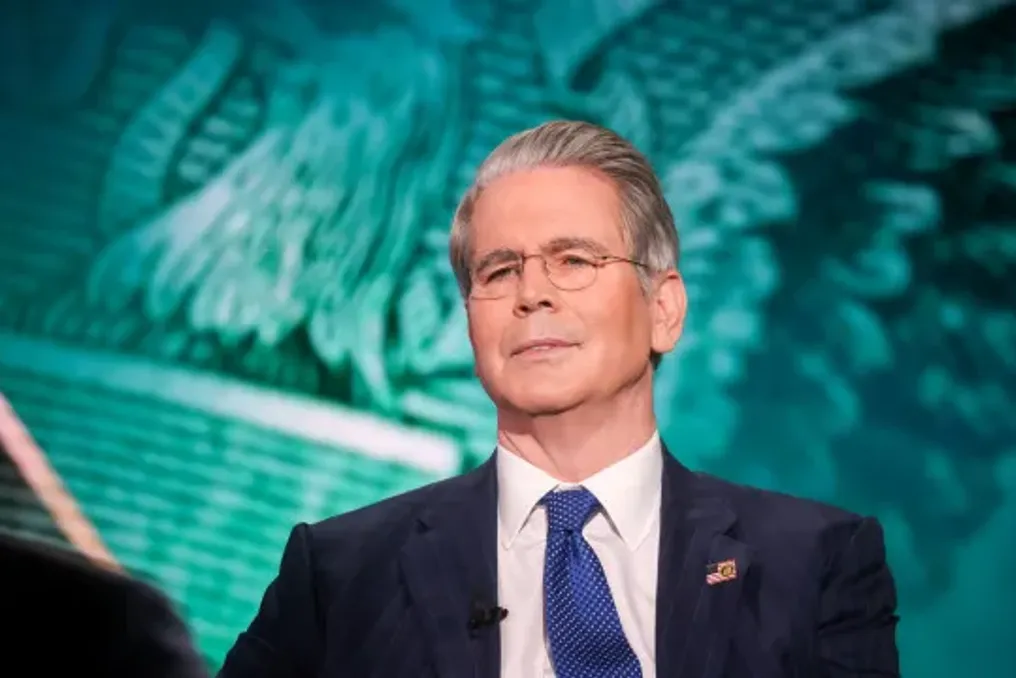
The United States announced the extension of the economic détente with China until January 10. Secretary Scott Bessent confirmed this decision in an interview with Fox News, stating that the extension aims to allow more time to evaluate possibilities in the economic plan, given that the original agreement would expire on November 10.
This announcement came after a meeting held in Washington between Scott Bessent and Chinese Vice Premier He Lifeng. Bessent mentioned on X that they held important discussions about the economic relationship between the US and China.
The conversations, according to him, remained focused on ensuring relevant commitments that benefit American workers, farmers, and businesses, while also promoting the country's national and economic security interests.
Xi Jinping arrived in Washington for his first visit to the United States in over ten years. In an unusual gesture for an American president, Trump personally went to the runway at Andrews Air Force Base, near Washington, to receive his counterpart, instead of waiting for the guest's arrival at the White House during his first state visit to the capital.
In an effort to honor the Chinese leader, the American President and First Lady, Melania Trump, participated in the reception ceremony for Xi and his wife, Peng Liyuan. This three-day visit is scheduled to be quite ceremonial, even by White House standards.
The state visit, which includes an official dinner at the White House on Thursday, seeks to mirror the ceremonial pomp that occurred during Trump's visit to China in May.
This ostentation occurs during a period of high tension between the two geopolitical rivals, driven by issues such as trade, artificial intelligence, Trump's confrontation with Iran, and China's aspirations regarding Taiwan.
Besides seeking to maintain 'strategic stability' between the nations, Trump has praised Xi, referring to him as a 'great leader' and describing the relationship as warm, addressing him as a friend. However, he avoids confronting the Chinese president on sensitive issues, despite internal pressure from his own party.
Republican Senator Roger Wicker, chairman of the Senate Armed Services Committee, criticized the 'sumptuous reception' given to Xi, raising doubts about 'China's massive military expansion goals or clear support for Iran.' Wicker argued in a Senate speech on Tuesday that Trump should not have invited the Chinese leader, 'given all the worrying issues we have regarding President Xi and the Chinese Communist Party.'
On the other hand, U.S. Secretary of State Marco Rubio argued that Washington and Beijing need to interact at the highest levels, given that they are 'the world's two largest economies' and 'probably the world's two greatest military powers.' Rubio told journalists in New York that 'the idea of not interacting with them at the highest levels is irresponsible. It is absurd. We must do it.'
Xi's reception at the airport will be followed on Thursday by other formalities, including arrival at the White House and an inspection of troops. It is expected that the two leaders will privately discuss issues such as trade and artificial intelligence (AI) before a gala dinner, which will feature figures from the technology sector, such as Jensen Huang (Nvidia) and Elon Musk (SpaceX).
On Friday, Xi and Peng will return to the White House for tea with the Trump couple before being taken on a tour of the National Archives in Washington. The White House announced that they will examine historical documents that illustrate the relationship between the two countries.