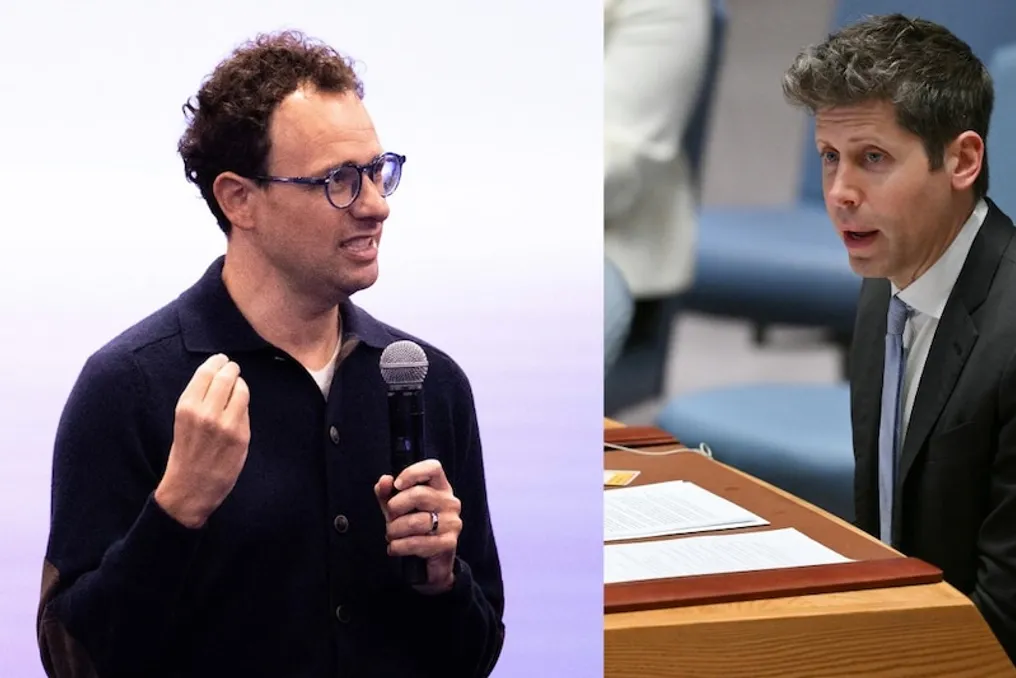
A series of crucial global issues, including the development of artificial intelligence (AI), were discussed at the United Nations Security Council meeting. Leaders of leading global AI companies called for control over this rapidly evolving technology, warning of possible dangerous consequences.
Anthropic CEO Dario Amodei stated that if AI is not properly governed, it could pose a serious risk to all of humanity. OpenAI CEO Sam Altman expressed similar concerns, noting the possibility of losing control over this technology, which could lead to the future being in the hands of AI. These tech giants strongly demanded that the UN Security Council establish strict safety measures.
British Foreign Secretary David Miliband emphasized in the Security Council that technology leaders are making it clear: the responsibility for saving the world cannot rest solely on them. He announced that when the UK chairs the G20 next year, the focus will be on controlling AI to establish global standards.
However, the US expressed disagreement on this matter. White House science advisor Michael Kratisios stated that concerns about AI control are not grounds to slow down its development or tie it to a new global structure.
Amid the ongoing race for dominance in AI between the US and China, Chinese Ambassador Fu Kong cautioned against creating factions in the technology sector and pressuring other countries.
UN Secretary-General António Guterres had previously warned about the danger of 'killer robots.' Ukrainian President Volodymyr Zelensky also stated at the UN General Assembly that machines are now making decisions about attack targets on the battlefield. Last month, a Russian drone using AI resulted in the deaths of three Ukrainians.
French Foreign Minister Jean-Noël Baro compared the current state of AI to the beginning of the atomic age, insisting that the international community must immediately bring this technology under control to avoid its potential threats. Meanwhile, US President Donald Trump referred to AI as 'superintelligence,' but the US administration currently rejects any attempts at global regulation.