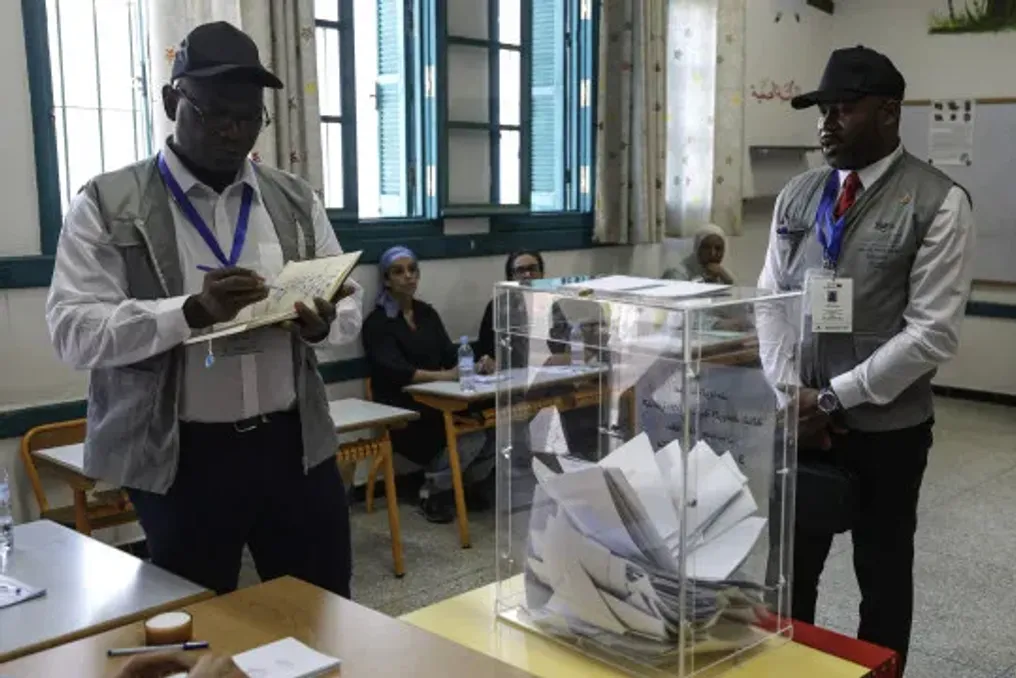
Moroccan polling stations closed amid citizen apathy and low participation levels. According to the Ministry of Interior, at the time the polling stations closed, the national turnout was 28.05%, which demonstrates a decrease of almost eight percentage points compared to the 36% recorded during the 2021 elections.
These elections took place on a day when security measures were reinforced in the northern part of the country, near the borders with the cities of Ceuta and Melilla. This was done in response to new calls on social media for mass gatherings, similar to those that occurred at the end of July.
According to the Spanish government, at least 70,000 people entered Ceuta during that period, and according to reports from civil organizations, at least 141 people died while crossing by boat.
Approximately 15.8 million people were registered in the electoral lists out of the total population eligible to vote, which is 28 million. Legislative elections are held every five years, renewing the Chamber of Representatives (Parliament), which consists of 395 elected members.
The distribution of seats is calculated based on the number of voters registered in each district, not on the actual votes cast by voters. This formula contributes to party fragmentation, makes it impossible for one party to achieve an absolute majority, and requires the formation of coalition governments.