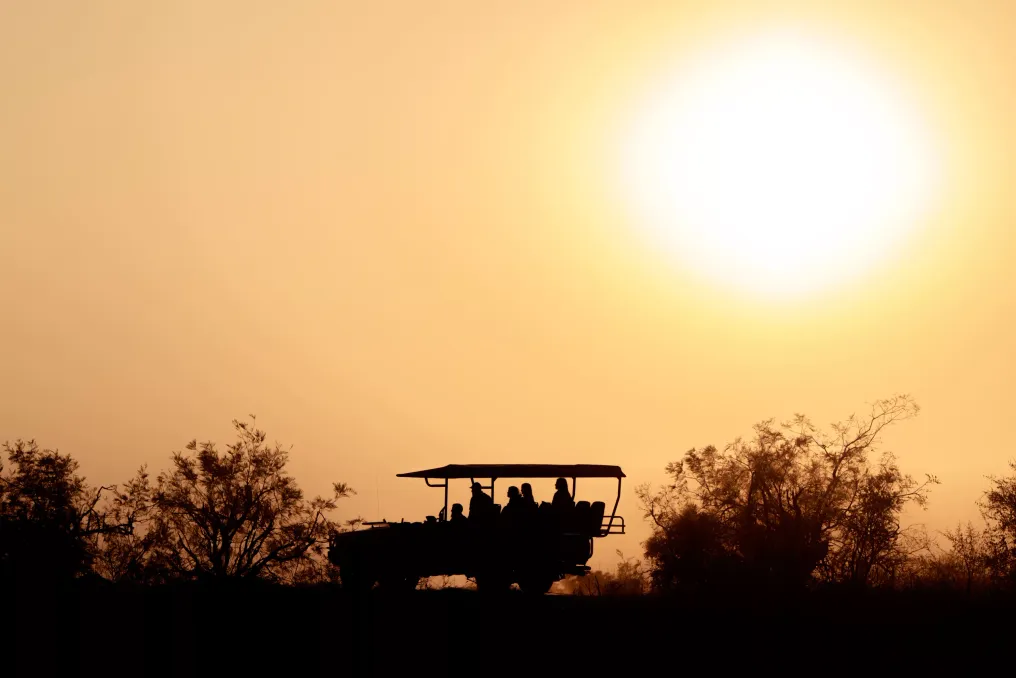
Spionkop Battlefield in KwaZulu-Natal: A Historic Site Worth Visiting
Read more
Getaway
getaway.co.za

Spionkop Battlefield in KwaZulu-Natal: A Historic Site Worth Visiting

On the hills of KwaZulu-Natal lies Spionkop, a place that appears peaceful on the surface. The wind rustles the grass there, the Drakensberg rises on the horizon, and the Tugela Valley stretches out below. However, remnants of trenches are visible amidst this tranquility.

These fortifications are situated on the summit and serve as a reminder of a battle that took place over 120 years ago. Memorials stand among the grass, soldiers' graves are marked, and the landscape itself testifies to the strategic importance of this hill.

On January 24, 1900, Spionkop became the arena for one of the bloodiest battles of the South African War, known at the time as the Anglo-Boer War. British forces attempted to break through Boer defensive positions and liberate the besieged town of Ladysmith. Spionkop represented a key elevated point with a view of the surrounding terrain.

The British occupied the summit on the night of January 23. When day broke, the position was exposed to fire from Boer positions on the surrounding heights. Fighting intensified throughout the day as British soldiers tried to hold the summit under heavy shelling. Major-General Edward Woodgeat, who commanded the capture, was mortally wounded. By nightfall, the British retreated, and Boer forces retook the hill.

The attempt to open the way to Ladysmith failed; the town remained besieged until February 27, 1900, when it was liberated.

Today, the most striking aspect of Spionkop is how little imagination is required to visualize this battle. The trenches remain visible on the summit, including the earthworks used by British troops and burial trenches where many perished. Historical photographs and maps held in the National Archives document the location of the trenches and battle positions.

The site was declared a national monument in 1978, and memorials across the summit commemorate those who fell in the fighting. One of the most poignant spots is Acre Massacre, where many British soldiers were buried after the battle.

Casualty figures vary depending on historical sources, based on how the dead, wounded, and missing are counted. The Anglo-Boer War Museum records 322 British dead, 563 wounded, and about 300 missing, while 58 Boers died and 140 were wounded.

Standing near the burial trenches, these figures cease to seem abstract. Spionkop is located within the larger Spionkop Reserve, a landscape of grasslands and thornveld rising approximately from 1070 to 1210 meters above sea level. The reserve is also recognized as an important bird area, recording species such as the Cape Vulture and the Bearded Vulture.

From the summit, the surrounding landscape facilitates understanding the hill's strategic significance. The Tugela Valley lies below, and the Drakensberg provides a dramatic backdrop. It is this vivid combination of history and scenery that makes the battlefield tour in KwaZulu-Natal so appealing. Throughout the province's rural areas, numerous historical sites related to Zulu, Boer, and British conflicts have been preserved.

At Spionkop, you can literally walk on the ground where the fighting took place. While the battlefield can be explored independently, a specialist guide can add significant context. Battlefield tours list guides specializing in the Spionkop and Ladysmith areas, helping visitors understand the opposing positions, movements, and significance of the terrain.

This changes the experience. A trench is one thing when viewed in isolation. Knowing who occupied it, where the enemy was, and what happened there makes the landscape much more immediate. You should wear comfortable shoes, bring water, and allocate time for a walk rather than just stopping for a view.

Spionkop serves as a reminder that some of South Africa's most significant historical events are not always behind glass. They are right underfoot. The trenches, memorials, and graves remain part of the landscape, while the hills behind them continue to frame the battlefield just as they did in 1900. Today, only the sound of the wind and birdsong can be heard.

Similar stories

Seven South African Destinations for a Packed Day with Diverse Activities
Read more
getaway.co.za

Seven South African Destinations for a Packed Day with Diverse Activities

Thanks to the diverse landscapes of South Africa, it is easy to plan days that combine nature, culture, wildlife, adventure, and gastronomy. These seven locations are ideal for travelers who prefer constant movement, as each offers a unique combination of experiences located close to one another.

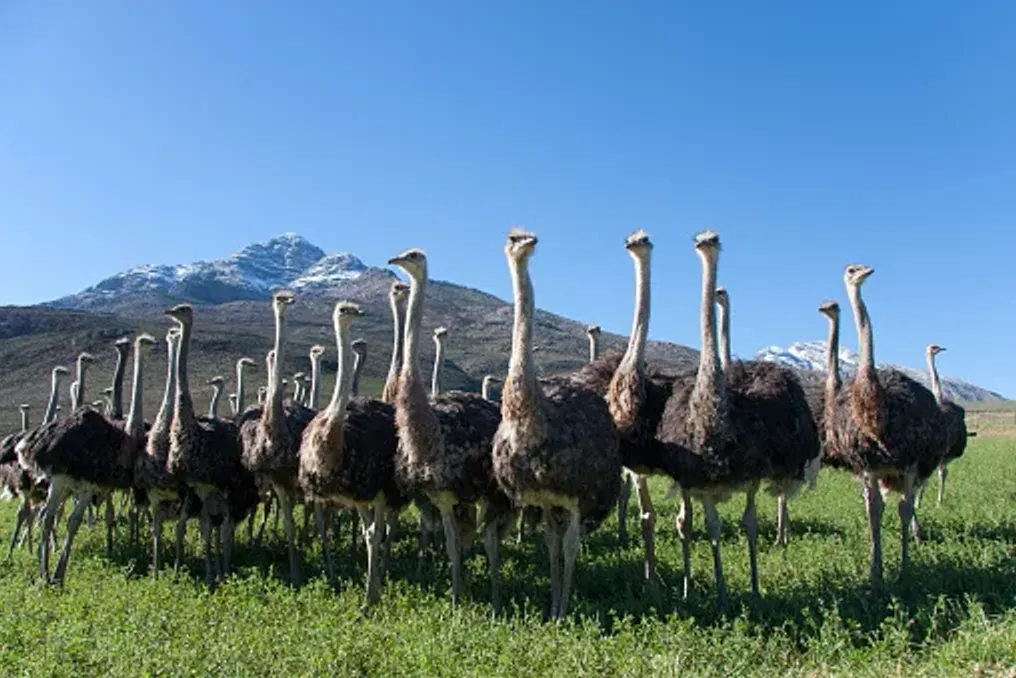
Oudtshoorn, situated between the Swartberg and Outeniqua mountains, is one of the best places in South Africa for a dynamic day. This town in the Klein Karoo region is known for its ostrich farms, impressive scenery, and Cango Caves.

The day can begin with a visit to the Cango Caves, where tours allow visitors to explore a network of ancient limestone chambers and formations. These caves offer a completely different perspective on the Klein Karoo landscape and are one of South Africa's most famous natural attractions.

Upon returning to the surface, attention should be paid to the world's largest bird. Oudtshoorn is famous as the ostrich capital, and a visit to an ostrich farm provides an opportunity to learn about the birds as well as the history of animal husbandry that shaped this region. The day can conclude with a meal showcasing the tastes and produce of the Klein Karoo. If you have extra time, De Raadtsdrift nearby is worth a visit.

Combination: Underground Adventure + Wildlife + Food

Franschhoek is usually associated with wine and fine dining, but there are many activities before lunch. The valley combines mountains, active recreation, Huguenot heritage, galleries, restaurants, and wineries, making it easy to create a varied day.

Start with a walk or hike in the Mont Rochelle Nature Reserve. The reserve offers the chance to experience the mountains and fynbos surrounding the valley before returning to the village. Activities in this area also include cycling, horse riding, and paragliding. Then head to Franschhoek to explore its Huguenot heritage. The Huguenot Monument and adjacent historical sites provide insight into the influence of French Huguenots on the valley, while a stroll down the main street passes by galleries, shops, and restaurants. The day can end at one of the valley's restaurants or wineries. Franschhoek offers everything: from relaxing farm-style picnics to more formal lunches, often with views of the mountains and vineyards.

Combination: Mountain Air + Heritage + Food and Wine

Hermanus is particularly good for outdoor activities. During whale season, you can start with marine life watching, spend the middle of the day exploring the town, and finish with a meal overlooking the coast. Southern Right Whales arrive in this area around June, making the town one of the most renowned spots for land-based whale watching in South Africa.

Begin your journey along the Hermanus Cliff path, which stretches about 12 kilometers along the coast. You don't have to complete the entire route; choose a section and stop at viewpoints to watch Whale Bay, keeping an eye out for whales during the season. After walking along the coast, explore Hermanus's galleries, markets, or museums. The town has a strong artistic and cultural scene alongside its history as a fishing and agricultural community. The day can conclude with seafood or other local cuisine. Hermanus is part of the UNESCO Creative Cities Network as a Gastronomy City, and its culinary scene ranges from seafood restaurants to farm-to-table dishes and local markets.

Combination: Marine Life + Walk + Food and Culture

Stellenbosch is another destination where you can do much more than just visit a winery. This historic university town combines active recreation, gardens, heritage, art, food, and wine, offering numerous attractions that are close enough to fit into one day. Start at the Stellenbosch Botanical Garden in the city center. The garden features local and exotic plants, shaded paths, streams, and ponds, providing a tranquil start before heading to the busier historic center.

Next, you can move into the old town and visit the Stellenbosch Village Museum or stroll through the historic streets. Stellenbosch is the second oldest city in South Africa, and its Cape Dutch architecture, museums, and galleries give the center a distinct character. Instead of spending the whole day at a winery, make the latter part of the day active. Jonkershoek offers hiking and adventure activities, while other options around Stellenbosch include cycling, zip-lining, and non-motorized scooter trails. The day can then conclude with a meal or wine tasting at one of the local wineries.

Combination: Gardens + Heritage + Adventure

Graaff-Reinet offers a completely different kind of packed day, combining dramatic landscapes with one of South Africa's most historic cities. Founded in 1786, the city boasts an impressive collection of historic buildings and museums, while the surrounding Gamtoos landscape provides numerous opportunities for outdoor activity. Start at the Lone Creek Valley in Gamtoos National Park. The viewpoint is surrounded by high dolerite cliffs and vast views of the Karoo. Hiking trails are also available, including the short Kraag Lizard trail.

Back in the city, you can explore the Graaff-Reinet museum complex. Riet House, Old Residence, Urkhart House, and the Military History Museum each offer a different view of the city's past. Art lovers will also appreciate the Hester Rupert Art Museum. Conclude the day with a Karoo-style meal before heading back out into the landscape for an afternoon or evening trip. For something different, you can visit Karoo Origins, which combines fossils and ancient history with a coffee shop and local wine, offering another way to end the day.

Combination: Karoo Landscapes + History + Culture

Durban allows you to organize a packed day without leaving the city limits. Its waterfront, gardens, and unique culinary culture offer three seemingly very different experiences despite their relative proximity. Start near the Indian Ocean with a walk, bike ride, or swim along Golden Mile. The waterfront is one of Durban's defining attractions and offers many opportunities for fresh air before the midday heat sets in. Next, replace the ocean with the greenery of the Durban Botanic Gardens. The gardens provide a calm contrast to the waterfront and are a good place to spend a couple of hours exploring plant collections and landscape areas. The day can conclude with bunny chow—a bread filled with curry. This curry-filled bread is one of Durban's most recognizable dishes and reflects the city's strong Indian culinary influence. A guide from Durban Tourism specifically highlights bunny chow as a must-see spot in the city.

Combination: Ocean + Gardens + Culinary Culture

Johannesburg suits travelers who want their packed day to be more urban. Instead of moving between natural attractions, you can spend the day moving across different parts of the city—from its complex history to its modern creative scene and more energetic entertainment. Start at the Apartheid Museum and allocate enough time to thoroughly study its exhibits. The museum provides important context for understanding 20th-century South African history and the legacy of apartheid. After the museum, completely change pace by visiting one of Johannesburg's creative districts, galleries, or street art zones. The contrast between the historical focus of the morning and the modern art scene and city design is part of what makes Johannesburg interesting. End the day with an adventure or entertainment event, rather than another museum. Depending on interests, this could mean an adrenaline activity, live entertainment, district exploration, or simply finding a lively spot for dinner.

Combination: History + Creativity + Adventure

The appeal of these destinations lies not just in having many attractions, but in the contrast between them. In Oudtshoorn, you can transition from ancient caves to the ostrich country, and then sit down for a Karoo-style meal. In Hermanus, the day can range from whale watching to art and coastal cuisine. In Stellenbosch, gardens, heritage, and active recreation can fit into one itinerary. This diversity also makes these destinations useful for groups with different interests. One person can get their dose of nature, another can explore history and culture, and everyone can meet again when it's time to eat.
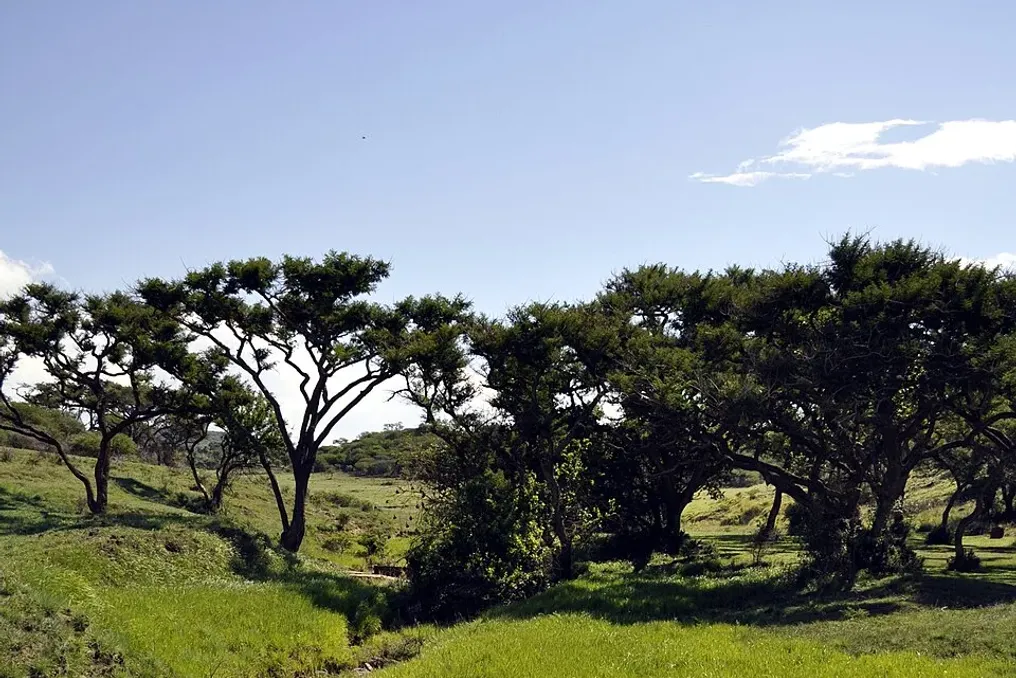
The 'Local Stay' Concept: New Safari Formats Allowing Wildlife Observation Without Leaving Your Accommodation
Read more
getaway.co.za

The 'Local Stay' Concept: New Safari Formats Allowing Wildlife Observation Without Leaving Your Accommodation

The traditional approach to safari, involving early starts and driving in SUVs to find animals, remains popular. However, modern resorts are offering alternative ways to observe wildlife that allow guests to stay in place.

The author shares experiences from staying at Kruger Shalati, where they decided to forgo the traditional safari drive and instead spent time on the suspended deck by the pool, watching the Sabie River. Although giving up the trip seemed like breaking an unwritten rule, such opportunities are becoming increasingly common across South Africa.

Modern lodges are designed so that animal observation happens not just from a vehicle. This is now possible thanks to open sleeping areas, underground shelters, and watering holes located right in front of decks and pools, turning stationary stays into a legitimate choice of safari rather than a missed opportunity.

Kruger Shalati is considered one of the boldest architectural projects in South Africa. Converted train carriages house 24 luxury rooms on a bridge over the Sabie River, which was previously a night stop for travelers in the 1920s. These suites feature floor-to-ceiling windows, allowing guests to enjoy the view from the shower and from their king-size bed.

The most impressive viewpoint is the deck extending beyond the bridge. From here, one can watch elephants and buffalo following familiar paths along the banks, while crocodiles bask on sandy shoals. The elevated position reduces the sense of urgency often associated with wildlife viewing; there is no need to change position, no radio communication, and no feeling of being chased.

Even though Kruger Shalati is inside the park and offers daily safaris, many guests opt out of one of the trips in favor of relaxing on the deck or watching the sunset from their suite, content that the river itself provides the spectacle.

At Lion Sands Game Reserve, which borders Sabi Sands and Kruger National Park, guests can substitute a lodge room for a night in one of three treehouses. These houses are not part of the main lodge but follow the same principle: once you arrive, you stay put. You are accompanied at sunset and left on an elevated platform with a four-poster bed, protected only by a mosquito net and feather bedding, creating a feeling of complete solitude with the night.

Outdoors, one can hear the distant cries of hyenas or the sounds of lions at dusk. Elephants move below; their approach is heard long before they become visible, betrayed by the sounds of snapping branches, chewing bark, and low rumbling communication between them. As dawn breaks, the savanna gradually reveals itself; shapes emerge from the shadows: a herd of impalas grazes cautiously, a giraffe's head appears above the treeline, and a kudu moves in a solitary line along a worn track.

If height provides one type of proximity, ground level offers another. At Mhondoro Safari Lodge & Villa in Welgevonden Game Reserve, just three hours from Johannesburg, an underground shelter accessible via a tunnel beneath the main deck allows one to be at the same level as a permanent watering hole. Animals approach, and neither height nor distance hinders observation. Antelope pass close enough to hear their breathing, and rhinoceroses cautiously appear and then pause.

This shelter changes the relationship between observer and observed. You are not looking down from a car or observing through a dam; you are in the animals' world at eye level. Here, not only the closeness but also patience and stillness change. In a vehicle, there is always the option to move on, to look for something else, whereas in the shelter, you remain. You watch how the watering hole changes its character with shifting light and the appearance of different animals, and in the process, you begin to notice patterns that you usually miss during a drive.

Mhondoro is also known for a detail that seems incredible: elephant herds regularly drink from the lodge's salt lick. The pool is located near the watering hole observed by the shelter, and the elephants use it accordingly. They appear almost daily, sometimes in large groups, moving through the space without hesitation. Guests quietly swim or sit at the edge while the elephants approach the water with their trunks. Although encounters are not guaranteed, they happen frequently, leaving behind something stranger after the novelty wears off: the anxious intimacy of sharing a pool with a bull elephant while reading a book.

Sometimes thoughtful design gives way to something entirely different. Places like Kruger Untamed do something even more fundamental by eliminating the need for a specific viewpoint. During the dry winter months, two seasonal tented camps appear, and they disappear completely with the return of the rains. Both camps are unfenced—one near Satara Rest Camp, the other near Tshokwane—and built so lightly that no trace remains by October. The animals passing through here do not visit the watering hole or leave; they cross their backyard. These camps acknowledge something that permanent lodges can only approximate: this is not your territory; it is theirs. You are simply occupying it seasonally.

Cheetah Plains Private Game Reserve in Sabi Sands demonstrates a similar principle of immersion through more permanent architecture. Each of the three exclusive villas has glass doors that open fully onto the savanna. One villa, Mapogo, is located right next to an active watering hole, and its infinity pool stretches along the water's edge. From the pool, one can see animals approaching without obstruction, framed by open space rather than enclosures or platforms.

None of this diminishes the value of driving safaris. Early mornings and late afternoons in the vehicle remain among the most effective ways to cover large distances and track elusive species. However, these lodges understand that guests are not obligated to spend every hour searching.

When wildlife observation becomes part of the place where you sleep, eat, and bathe, the savanna isn't just turned on when the vehicle is running. It is present always. By choosing to stay put, you are not missing out; you are choosing a different type of safari where wildlife comes to you. For those who still prefer the traditional experience, the 5 AM alarm calls remain relevant. You can still go on trips.

Popular