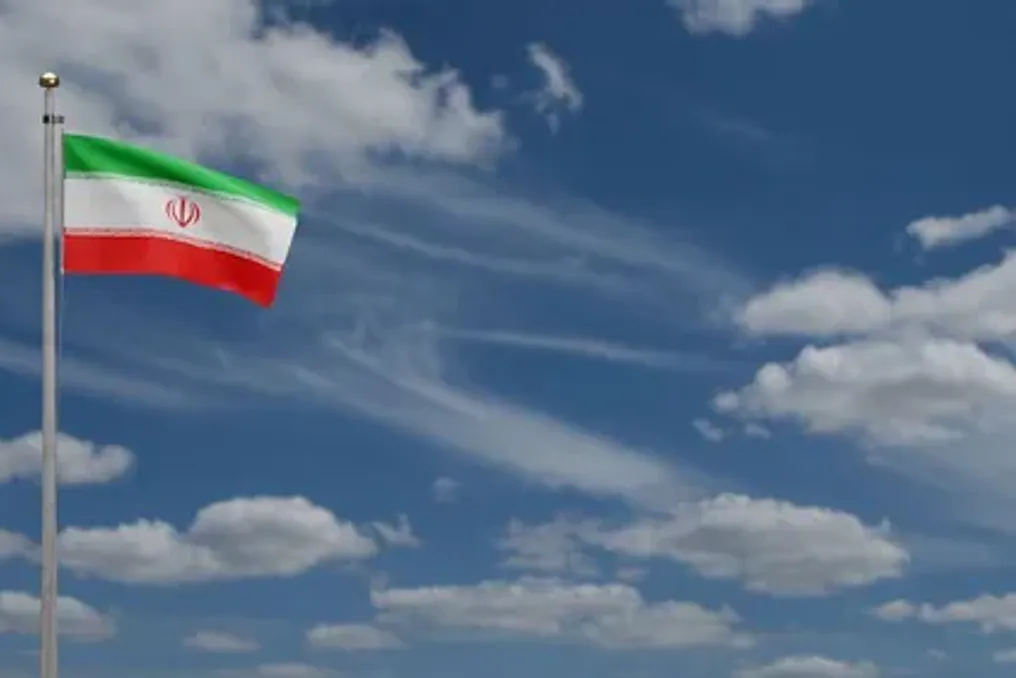
Iran's trade volume with BRICS member countries has approached $60 billion annually. According to Mohammad Sadegh Ghanadzadeh, deputy head of the Iranian Trade Promotion Organization, the trade turnover amounted to $60 billion last year. Iran exported goods worth $23 billion to BRICS countries and imported $37 billion.
These comments, initially published in IRNA and later disseminated by TV BRICS partners, demonstrate how deeply Tehran has integrated into the bloc's economy despite years of Western sanctions. Ghanadzadeh noted that, despite sanctions and logistical challenges in air and cargo transport caused by the military situation, Iran has managed to maintain economic ties with BRICS members and should utilize these countries' opportunities to expand trade relations.
The official emphasized that the relationship holds significant growth potential. He added that Iran can deepen cooperation with BRICS members in areas such as transit, trade facilitation, customs, and coordination of standards and payment mechanisms. The possibility of increasing the use of local currencies in bilateral trade was also mentioned, which could promote the development of broader financial systems among BRICS members. This aligns with the general BRICS aspiration for de-dollarization, a topic Iranian officials have repeatedly raised since joining the bloc.
Most telling is Ghanadzadeh's admission that, despite the large trade volume, the full potential of Iran's membership in the group has not yet been realized in the country's economy—a rare acknowledgment that high figures do not always translate into domestic economic well-being.
Iran officially became a BRICS member in 2023, although it had been building trade ties with individual member states for years prior. During 2022–2023, non-oil trade with the bloc accounted for about $38 billion, with China providing the lion's share. The increase to a total of $60 billion, including oil and non-oil operations, indicates a significant deepening of ties since becoming fully operational.
Agriculture serves as an example of this entrenchment. Iran's Minister of Agriculture, Golmohreza Nouri Ghezeljeh, separately pointed out that approximately $25 billion of Iranian agricultural trade passes through BRICS countries, covering half of the country's imports and one-third of its exports in this sector. Exporters confirm this gradual progress, noting that while non-dollar payment channels through Russian and Chinese banks remain limited and complex, BRICS membership has been a 'big step in the right direction.'
The recent BRICS summit provided Iran with a platform to discuss bottlenecks such as international transport corridors, trade expansion, financial cooperation, and mutual settlement mechanisms. Tehran stated its readiness to participate in their implementation. Priorities included developing transit routes, simplifying trade procedures, coordinating customs operations, and improving payment systems—all areas important for Iran due to logistical difficulties associated with sanctions.
Overall, the picture presents a stable, albeit incomplete, integration. Iran has found partners in BRICS willing to continue trading despite the political pressure exerted on Tehran. However, as Ghanadzadeh admitted, transforming membership into a full economic advantage through smoother payments, better transport links, and deeper currency cooperation remains a process, not an achieved result.