
Meta study shows why video content has become the preferred format among Gen Z in India
Read more
Aaj Tak
www.aajtak.in

Meta study shows why video content has become the preferred format among Gen Z in India

In the modern world, social networks have ceased to be merely a means of communication or a way to pass the time. Especially for Generation Z, short videos have become an integral part of daily digital life. Video content significantly influences users' decisions regarding what to watch, which trends to follow, which creators to subscribe to, or which products to purchase. This shift is observed not only in major Indian cities but is also spreading to smaller towns and rural areas.

According to a new study conducted by Meta in collaboration with IPSOS, video has become the most common way of consuming content across the country. Specifically, Reels have transformed into a key platform in India for discovering new things, engaging with culture, watching creator content, and making purchases.

These changes are not limited to urban centers. The report indicates that the difference in video consumption between urban and rural areas in India has virtually disappeared. 98% of the population watches videos daily in cities, compared to 94% in rural areas. This suggests that the video-centric culture is rapidly being adopted in both metropolises and small towns and villages.

For Generation Z, Reels have become the leading and most favored platform for short videos. 89% of Gen Z members use Reels daily to view and search for diverse content, cultural materials, and creators. Among the most popular categories in India are beauty and makeup (52%), fashion and trends (52%), lifestyle and fitness (42%), comedy (39%), and sports (38%).

Reels have transformed from a simple entertainment tool into a factor influencing purchasing decisions and product awareness. According to the report, the likelihood of learning about a product through Reels has increased by 81%, and the influence of Reels on purchasing decisions has increased by 47%.

To study these changes, a survey was conducted involving over 4,000 people from 23 cities, including metropolitan, second-tier, and third-tier cities, as well as rural areas of India. The survey results established that at least 97% of respondents in India view videos on Meta platforms daily. This figure stands at 97% among Gen Z, 97% among women, and 98% among the NCCS A audience. These figures demonstrate the wide reach of video content across various user groups.

In light of these transformations, the role of Reels continues to grow rapidly, becoming the primary channel for viewing short videos among the younger generation.
Similar stories

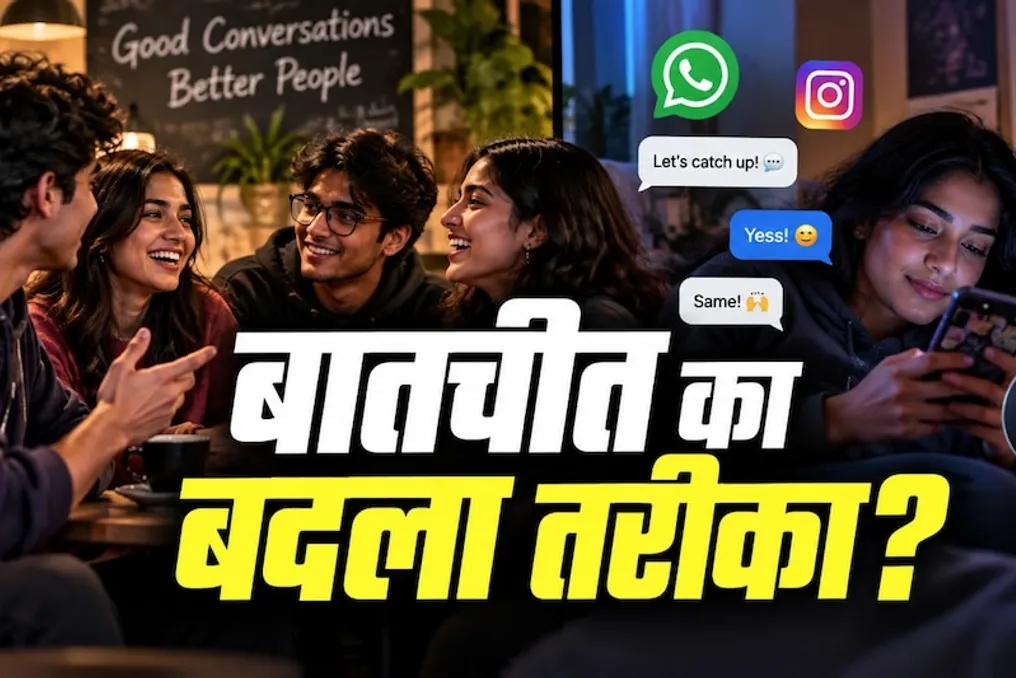
Study shows Generation Z does not avoid communication, but chooses convenient interaction formats
Read more
www.aajtak.in

Study shows Generation Z does not avoid communication, but chooses convenient interaction formats

Modern Generation Z is often perceived as a generation that spends a lot of time on their phones and avoids face-to-face interaction. However, new research indicates that this view needs refinement. Generation Z does not refuse to communicate; rather, they selectively choose the method of interaction: this can be a personal conversation, a chat, direct messages (DM), or ignoring a call followed by messaging. The format of communication is transforming, but communication itself continues.

According to the Global Small Talk Survey by Preple, which involved 1400 adults from the USA, UK, Canada, and Australia, 58% of Gen Z members engage in short personal conversations daily. This figure is almost double the 31% among Baby Boomers. Among Millennials, this percentage is 53%, and among Generation X, it is 37%.

Gen Z's online activity is also high: 47% of them participate in casual online conversations daily, compared to 42% among Millennials, 22% among Gen X, and 18% among Boomers. Furthermore, 65% of Gen Z members report having started having more short conversations compared to five years ago, which refutes the notion that 'Generation Z doesn't communicate.'

However, there is an interesting nuance: Generation Z communicates, but does not feel the need to participate in every conversation. Over the past year, 87% of Gen Z members tried to avoid at least one live conversation they were forced into. Moreover, 93% used some method to evade small talk. 41% used the excuse of checking their phone, while 37% preferred sending messages or using DMs instead of making a call.

Differences are also evident regarding phone calls. Only 6% of Gen Z members state that they try not to answer calls, whereas this figure is 7% among Baby Boomers. Nevertheless, 27% of Gen Z members usually let calls go to voicemail, after which they connect via message. This behavior is observed in only 7% of Baby Boomers.

Even the topics of conversation are changing. For Baby Boomers, the weather remains the most common topic for starting small talk, according to 56% of Boomers. In contrast, this figure has dropped to 28% among Gen Z. Instead, young people more often discuss weekend plans, restaurants, and social connections.

Thus, it is clear that Generation Z is not socially closed; they simply prefer their own approach to communication. It is not necessary for them for every interaction to happen in person or over the phone; messages, DMs, and short informal chats are also part of maintaining connections. The question arises: has Generation Z stopped small talk, or have they just changed its methods?

Why the Slow Living trend is growing among Generation Z
Read more
www.aajtak.in

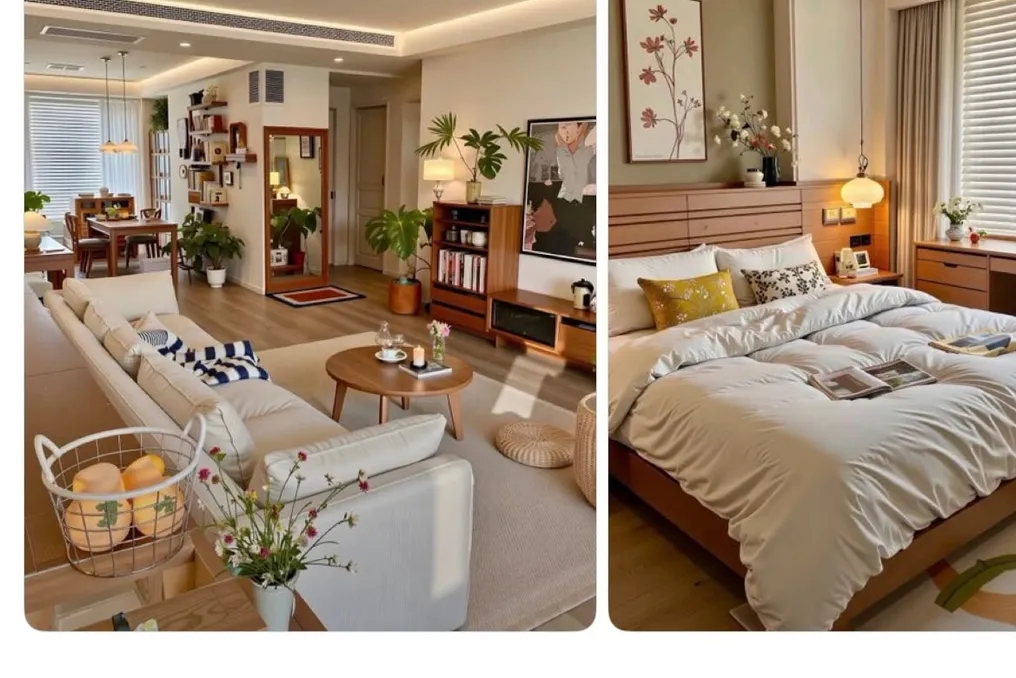
Why the Slow Living trend is growing among Generation Z

In the lives of Generation Z, speed is present almost everywhere: from checking phones immediately upon waking up and constantly viewing notifications to meeting work deadlines, social media activity, and the pressure to constantly achieve something. However, against this fast pace, a new trend is emerging—Slow Living, which implies a more measured lifestyle, a rejection of the desire to get everything immediately, and the enjoyment of small moments in everyday life.

A Short Break from Fast Life

Generation Z has benefited from technology, but with it has come constant connectivity. Even after finishing work, people continue to check emails, messages, and remain active on social media. Often, the attempt to relax via phone turns into aimless scrolling through feeds.

In such conditions, Slow Living acts as a kind of mental pause. Simple activities, such as drinking morning coffee without a phone, cooking food independently, taking an evening walk, or simply listening to music, cease to be mere routine and become a conscious lifestyle choice for members of Generation Z.

Presence Over Productivity

The popularity of Slow Living can also be linked to the culture of productivity, which creates unconscious pressure on everyone to constantly remain productive. One needs to study something new, build a career, engage in side income, pay attention to fitness, and simultaneously maintain a social life.

Slow Living offers a different approach to this mindset. There is no need to fill every free minute with some activity; sometimes it is perfectly fine just to sit without a specific reason.

Joy in Small Things

A significant part of Slow Living lies in the ability to appreciate the small details of daily life. Activities such as cooking at home, reading books, gardening, keeping a diary, baking, or simply watching the rain from the window are not major achievements. Nevertheless, it is in these moments that Generation Z may find the solace that is difficult to achieve in the race for constant online presence and the pursuit of progress.

Is Slow Living Really Slow?

Interestingly, the Slow Living trend itself has been transformed into an aesthetic image thanks to social media. Platforms like Pinterest and Instagram have a great deal of content idealizing slow living: cozy homes, morning rituals, homemade food, candles, and nature walks.

Thus, Slow Living, which romanticizes Generation Z, is not always entirely slow or perfect. In real life, deadlines and responsibilities persist. Perhaps Slow Living does not mean a complete halt to life, but rather the ability to sometimes regulate its speed according to one's own needs. After all, when the whole world constantly urges 'hurry up,' a small pause can itself be perceived as a luxury.

Popular