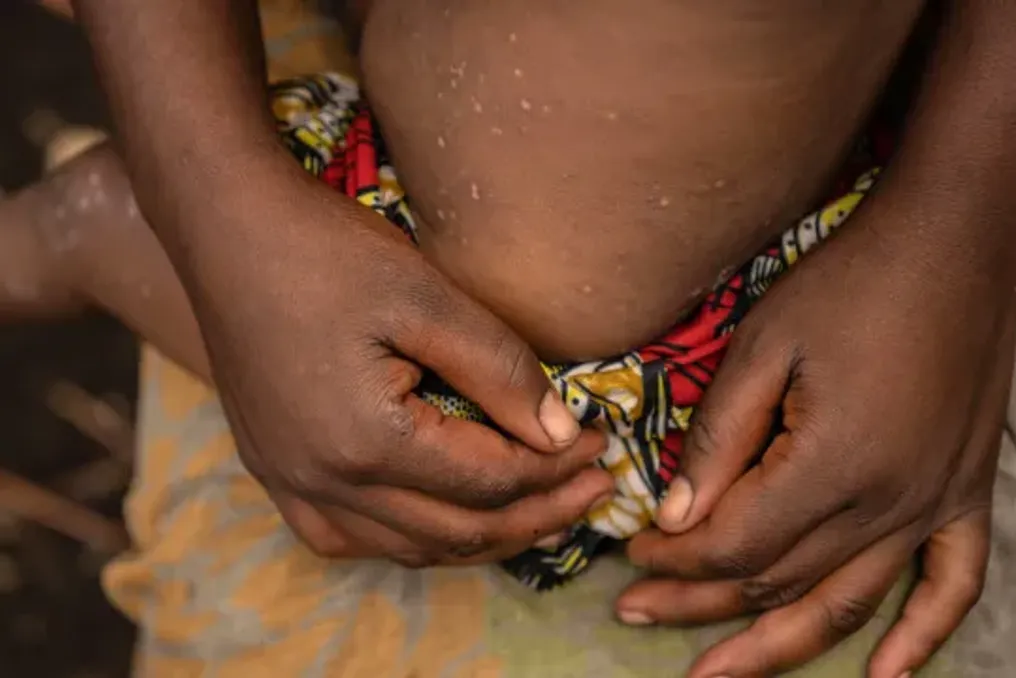
Mpox cases in South Africa rise to 22
Read more
IOL
iol.co.za

Mpox cases in South Africa rise to 22

The Department of Health confirmed an increase in Mpox cases in South Africa. As of September 22, the number of registered cases rose from 18 to 22.

One of the latest recorded cases involves a 47-year-old man from Cape Town who had previously visited Spain this month. The Department reported that this individual was initially classified as a probable case while awaiting laboratory results from Spanish health authorities. After the positive test was confirmed, this case was reclassified as laboratory-confirmed and included in the updated statistics.

Mpox is a viral disease that can affect anyone. Symptoms may include fever, headache, muscle aches, back pain, fatigue, as well as a rash or skin lesions that can appear on the face, arms, legs, genitals, or other parts of the body.

People are strongly advised to recognize symptoms and seek medical attention immediately. Among the other three cases are two imported infections affecting citizens of Germany and Norway. Of the total 22 confirmed cases, 18 are in the Western Cape, three are in Gauteng, and one is in KwaZulu-Natal.

A representative of the Department of Health, Foster Mohale, stated that the department, together with the National Institute for Communicable Diseases (NICD), the World Health Organization (WHO), and other partners, is supporting the Western Cape Department of Health in implementing response measures, including contact tracing and enhanced surveillance.

Mohale emphasized: 'Anyone who has been in close contact with a confirmed case within the last 21 days and develops symptoms must seek medical attention immediately and inform healthcare workers about their contact history.' He added that although most cases are concentrated in the Western Cape, the identification of transmission clusters and cases in multiple provinces indicates the need for continuous public cooperation, early detection, and ongoing monitoring to prevent further spread.

Similar stories

Increase in Mpox Cases Recorded in South Africa Reaches 18; Western Cape Most Affected
Read more
iol.co.za

Increase in Mpox Cases Recorded in South Africa Reaches 18; Western Cape Most Affected

The Ministry of Health has announced the need for increased public vigilance after 18 confirmed and one probable case of Mpox were registered in South Africa.

The Ministry of Health confirmed that 18 confirmed cases of Mpox have been identified in South Africa, with the majority—15 cases—recorded in the Western Cape, particularly in the city of Cape Town. Three cases were also noted in Gauteng and one in KwaZulu-Natal.

The Department urged the population to remain vigilant amid the rapid increase in laboratory-confirmed Mpox cases across the country in recent weeks. Department representative Foster Mohale stated that as of September 17, 2026, there are 18 confirmed and one probable case registered in the country, necessitating immediate and continuous public cooperation to curb the spread.

Mohale noted that it is concerning that 13 of the total cases were recorded between August 13 and September 17, indicating rapid local transmission of this preventable viral infection.

Cases Predominantly Among Men

According to Mohale, all affected individuals are between the ages of 23 and 50, with a median age of 36.5 years. Furthermore, 18 of them are men, while only one is a woman. One recent case is linked to an individual who visited Spain at the beginning of this month and returned to South Africa on September 14.

This individual was tested in Spain after receiving information about a possible disease status. South African health authorities are contacting their Spanish counterparts regarding the laboratory test results of this person to confirm their Mpox status. Mohale clarified that Mpox cases can appear in any person who has had close contact with someone testing positive for the virus within the last few days, up to 21 days, and will be accompanied by similar symptoms.

He emphasized that the importance of continuous monitoring, early detection, and public cooperation cannot be underestimated to prevent further transmission.

Mpox Symptoms

Mpox is a viral disease that can affect anyone regardless of race, gender, sexual orientation, or socioeconomic status. The public was reminded of Mpox symptoms, which include fever, headache, muscle aches, back pain, fatigue, as well as a rash or skin lesions that may appear on the face, hands, feet, genitals, or other parts of the body.

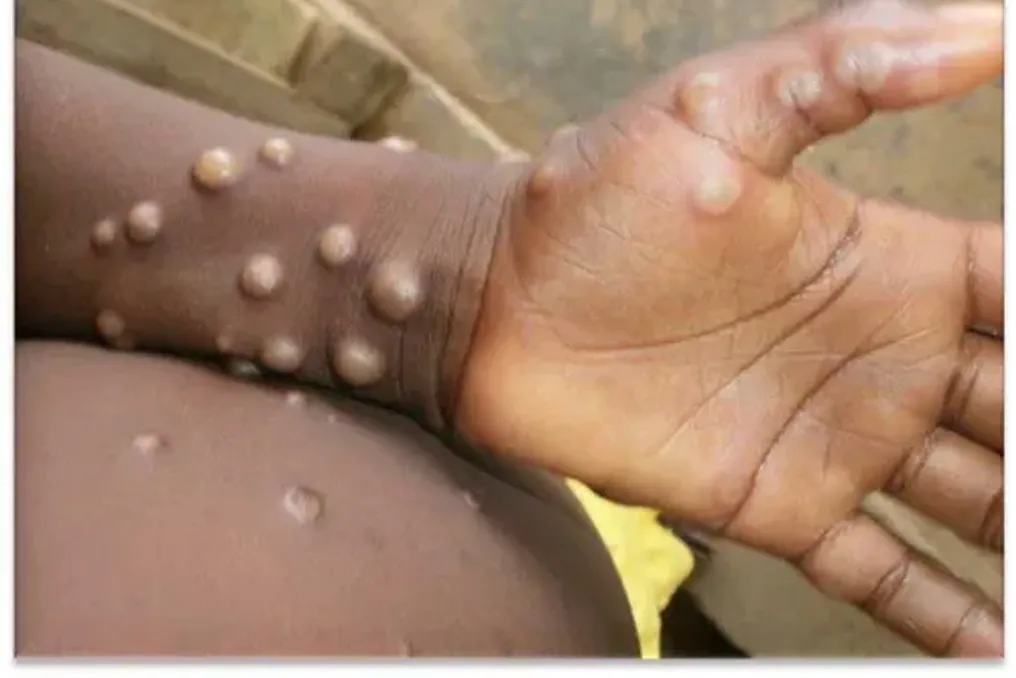
Typically, skin lesions begin as flat red spots, then progress to bumps, followed by fluid-filled blisters, then pustular bumps, and finally turn into scabs. Symptoms usually appear within six to thirteen days after infection but can vary from five to 21 days. Therefore, anyone experiencing such symptoms, especially if they have had close contact with a confirmed or suspected case, should seek medical attention immediately and avoid close contact with others.

How Mpox Spreads

Mpox is primarily transmitted through close physical contact with an infected person, including skin-to-skin contact with a rash or lesions, as well as contact with contaminated materials such as bedding, clothing, or towels used by the infected person. People with Mpox can also transmit the virus through respiratory droplets during prolonged personal contact without covering coughs or sneezes.

Mohale stated that vigilance remains vital, especially in families, healthcare facilities, and among close social circles. He added that hand hygiene through frequent washing or the use of sanitizers is one of the effective ways to prevent the spread of the virus.

Government Response

It was reported that the government, with support from the World Health Organization, has secured limited doses of Mpox vaccines (Tecovirimat) as part of the outbreak response strategy to halt local transmission. Health authorities will determine where and how to use these vaccines to contain outbreaks. Vaccination must be accompanied by continuous adherence to preventive measures.

Furthermore, citizens were strongly advised to support individuals diagnosed with or suspected of having Mpox, as stigmatization and discrimination can undermine the outbreak response by discouraging people from seeking medical help.
Angola registers mpox outbreak with two deaths among 442 cases since the beginning of 2024
Read more
noticiasaominuto.com

Angola registers mpox outbreak with two deaths among 442 cases since the beginning of 2024

The Secretary of State for Public Health, Carlos de Souza, presented the epidemiological situation regarding the monkeypox virus (mpox) in Angola, as well as the main measures to prevent and combat the spread of the disease. The first case in the country was confirmed on November 16, 2024.

According to statistical data, as of September 5 of this year, a total of 442 confirmed cases have been registered in Angola: four in 2024, six in 2025, and 432 in 2026.

The mpox outbreak affects 11 out of 21 provinces in the country. According to data presented by Carlos de Souza, the highest number of cases has been recorded in the province of Cabinda, with 314 cases, followed by Moxico Leste with 91 cases.

The government official noted that the number of cases in the other provinces is significantly smaller. He also reported that two deaths were registered in Cabinda and Uíge, corresponding to an overall fatality rate of 0.45%.

Carlos de Souza added that 1131 contacts have been traced by medical services since the start of the outbreak. Currently, 116 people in the country are in the active phase of the disease and under observation, while 186 contacts are in isolation and under control.

Of the 116 active cases, 92 are in Cabinda, seven in Moxico, six in Moxico Leste, four in Luanda, four in Lunda Sul, two in Bengo, and one in Cuando.

In response to the outbreak, Angola mobilized 50 thousand doses of mpox vaccine this year, which are being used 'strategically and on a priority basis' due to limited global availability.

Mpox is an infectious disease caused by the monkeypox virus. It can manifest as fever, headaches, muscle and joint pain, swollen lymph nodes, as well as skin or mucous membrane lesions in the form of spots, blisters, and ulcers. The period between contact with the virus and the appearance of the first symptoms can range from five to twenty-one days, and people usually fully recover within two to four weeks.

The main mode of transmission is close contact with an infected person, especially through wounds or skin damage, secretions, or other contaminated materials, as well as through sharing clothing, towels, sheets, and other personal items, and from mother to child during pregnancy, childbirth, or after birth through close contact. The Secretary of State for Public Health emphasized: 'The risk and transmission increase with direct and prolonged contact, including sexual contact with a person who has symptoms or lesions. Mpox is not transmitted by airborne droplets.'

To reduce morbidity, it is crucial to observe hygiene measures, particularly frequent hand washing with soap and alcohol disinfection. Angola is implementing measures provided for the National Multisectoral Plan for Response and Control of the mpox Outbreak, which aligns with WHO frameworks for public health emergency prevention, preparedness, response, and resilience. The government official urged everyone who has come into contact with an mpox case to consult the nearest medical facility and report the situation.

Popular