Clay elephants worshipped instead of deities in Hati Keda temple in India
Read more
Aaj Tak
www.aajtak.in

Clay elephants worshipped instead of deities in Hati Keda temple in India

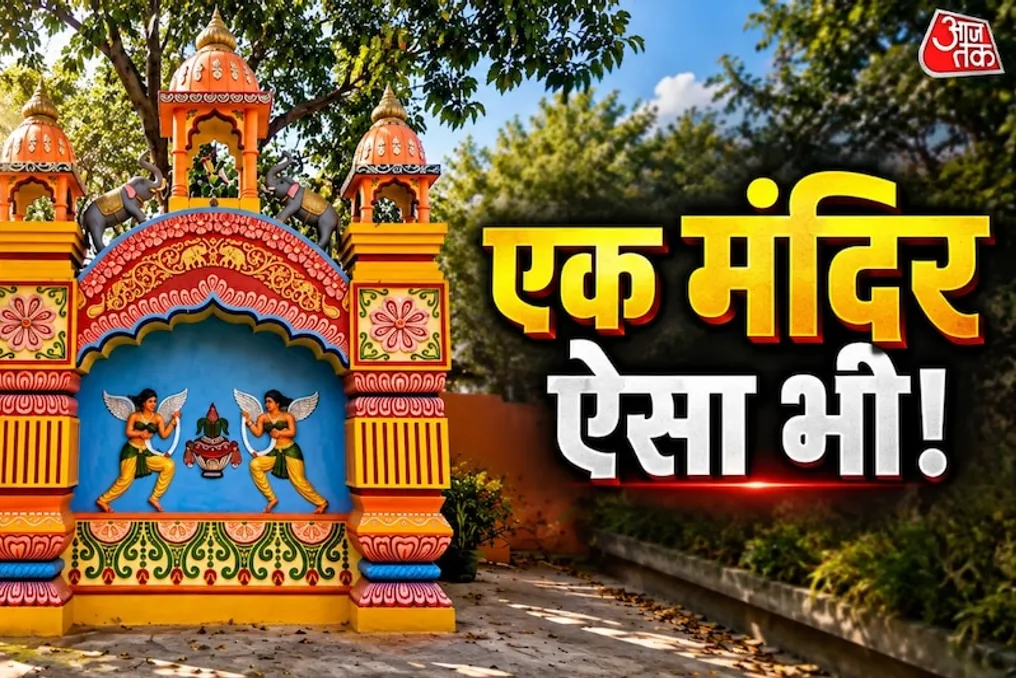
The Hati Keda Thakur Temple, located in the East Singhbhum district of Jharkhand state, is known for its unique beliefs and traditions. This temple differs from ordinary shrines in that instead of traditional depictions of deities, worship is paid to clay elephants. According to accounts, the traditions associated with this temple have existed for about 300 years.

Historically, the Dalma area faced a severe threat from wild elephants that raided villages at night. Local residents tried to scare them away by setting up night patrols, lighting torches, and playing drums. However, the problem did not disappear completely.

According to legend, elders advised the villagers to make elephants out of clay and venerate them. Following this, people began to worship the clay elephants with reverence. It is believed that soon the aggression of the wild elephants decreased. The residents perceived this as the grace of Hati Keda Thakur and began conducting rituals in this place, which became the center of their faith.

Significance of the name 'Hati Keda'

The name 'Hati Keda' is also connected to the temple's beliefs. In the local language, 'Keda' is associated with expulsion or warding off. Therefore, 'Hati Keda' means a prayer for deliverance from attacks by wild elephants and their deterrence. This is why the tradition of offering clay elephants here holds special significance.

Absence of traditional deity images

The main feature of the Hati Keda temple is that instead of a traditional statue of a deity, clay elephants are worshipped. Within the temple complex, one can see elephants made of clay of various sizes. Pilgrims come here with their wishes and offer a clay elephant after worship. In addition, they also bring coconuts, shawls, incense, and lamps.

Tradition of sacrifices

Local religious customs associated with the temple also include the practice of animal sacrifice. Some devotees, following age-old beliefs, offer rams or sheep as sacrifices. This is considered part of local religious rites, although such practices are closely linked to the community's local beliefs and customs.

Unique belief about communion in the temple

Some local beliefs make the Hati Keda temple even more special. It is said that women do not partake in communion at this temple. Furthermore, it is forbidden to take the communion outside the temple complex or to take it home. These rules are part of local traditions and beliefs that pilgrims follow according to their faith.

Deep connection with the Dalma hills and elephants

The Hati Keda temple is also connected to the surrounding forests and hills of Dalma. Wild elephants still inhabit the Dalma area today, and sometimes herds reach nearby villages in search of food. Because of this, the folk belief in the temple is related not only to religious convictions but also to the long-standing relationship between humans and wild animals.

When the largest crowds gather

The largest crowds gather at the temple during Makar Sankranti, the month of Chaitra, and local tribal festivals. Additionally, a large number of pilgrims arrive here on Sundays and Tuesdays. On these days, people from remote areas come to see Hati Keda Thakur and pray for their wishes to be fulfilled.

How to reach the Hati Keda temple

If you plan a trip to the Hati Keda Thakur temple, you can first travel to Jamshedpur. The Tatanagar railway station is one of the main ways to arrive. From Jamshedpur, you can reach the temple by bus, taxi, or private transport. Before starting your journey, it is recommended to find information about local routes, road conditions, and the current schedule of services at the temple.

Other nearby attractions

While visiting the Hati Keda temple, you can also explore other natural and tourist spots. The Dalma Sanctuary and Dalma Hills are special places for nature lovers. Additionally, Dimna Lake and Jubilee Park in Jamshedpur are good options for visiting. If you have enough time, you can visit other nearby natural attractions.

History of coexistence of faith and nature

The Hati Keda Thakur Temple is known not for its magnificent architecture, but for its simplicity, local traditions, and unique folk belief. The figures of clay elephants in the temple complex are its most distinctive feature. This tradition, which has existed for about three centuries, is maintained by local residents with deep respect. This temple tells a story not only of religious faith but also of ancient connections between the forest, wildlife, and human life. This is why the Hati Keda Thakur Temple is considered one of the unique religious sites of Jharkhand, where the practice of worship differs radically from that accepted in ordinary temples.

Similar stories

Hindu Maha Sabha призывает совет SABC расследовать предполагаемую маргинализацию религиозных программ
Read more
iol.co.za

Hindu Maha Sabha призывает совет SABC расследовать предполагаемую маргинализацию религиозных программ

The South African Hindu Maha Sabha (SAHMS) has formally accused the SABC of inadequately and insufficiently representing the Hindu faith across its broadcasting platforms, stating that the public broadcaster has failed to deliver timely and meaningful Hindu programming.

The organization has urged the SABC board to conduct an investigation into what it terms the 'persistent marginalisation' of Hindu content. These concerns were detailed in a letter dispatched last Thursday to the SABC’s board chairperson, Dr Khathutshelo Ramukumba, and other board members.

Professor Brij Maharaj, serving as the SAHMS’s deputy president, noted that the group had made multiple efforts to engage with the SABC, specifically regarding its program, Sadhana: The Inward Path. Prior to this latest action, SAHMS had communicated with the SABC in October of the previous year and again in February.

Furthermore, in April, SAHMS sought intervention from the office of the Minister of Communications and Digital Technologies, Solly Malatsi. Maharaj reiterated concerns about the excessive re-broadcasting of old material, the noticeable lack of new programming, the opacity surrounding content selection, and the absence of consultation with recognized South African Hindu groups.

Maharaj pointed out that although the SABC acknowledged these issues, citing financial limitations and promising schedule refreshes and new acquisitions, subsequent events indicated that the core problems remained unresolved. A specific point of contention was the lack of programming dedicated to Kavady during its observance period from January 27 to February 1, 2026, even though the SABC possessed archival footage of the event.

He argued that broadcasting unrelated observances months later was more than just a scheduling mistake; it signaled a worrying deficit in understanding, sensitivity, and responsiveness to the religious calendar and the actual experiences of South African Hindus. Maharaj emphasized that as a public broadcaster funded to serve all South Africans, the SABC has a constitutional duty to ensure fair, equitable, and meaningful representation for minority faiths, framing the issue as one of inclusion and dignity, not mere programming preference.

The SAHMS leader also highlighted the substantial contributions the Hindu community has made to South Africa’s social, cultural, and economic growth over more than a century, finding it disheartening that its heritage receives minimal attention from the national broadcaster.

The organization is now demanding a comprehensive strategy to enhance the quality, relevance, and variety of Hindu programming. They requested that the SABC board mandate a review of the current status of Hindu religious programming, investigate the reasons behind recurring content failures, and establish proper channels for ongoing dialogue with nationally representative Hindu bodies, stressing that their concerns stem from a desire for the SABC to fulfill its role in reflecting South Africa's full societal diversity.

In response, Mmoni Ngubane, the SABC's head of communications, confirmed receipt of the letter and thanked SAHMS for their involvement. She affirmed the value of Sadhana: The Inward Path and pledged commitment to ongoing discussions with SAHMS and other faith-based organizations as they enhance their programming.

Ngubane characterized the absence of Kavady coverage as a 'scheduling oversight and not a deliberate decision,' noting that festival content is spread across various series and that repeats are currently airing as part of a wider corporate effort to update schedules. She assured that religious programming is managed by an experienced team adhering to SABC's Editorial Policies and corporate governance frameworks, which ensure professional and fair content decisions.

She further stated that the SABC engages with faith communities, including SAHMS, and plans to broaden these interactions. Ngubane acknowledged past financial pressures impacting content investment but assured that as the SABC's position stabilizes, they are renewing schedules and acquiring new content, committing to reviewing Hindu programming to reflect South Africa's cultural and spiritual diversity.

Support for SAHMS came from Sidney Govindsamy, chairperson of the Devasthanam Foundation of South Africa, the National Council of South Indian Temples, who expressed disappointment over the perceived marginalization of Hinduism. He argued that failing to cover a major sacred observance, especially when archives exist, misses an educational opportunity for the public regarding Hindu traditions. Govindsamy proposed creating a Hindu Religious Programming Consultative Forum.

Additionally, Rajendran Govender, a social anthropologist and researcher and commissioner for the CRL Rights Commission, commented that religious programming is vital for preserving identity and transmitting values. He noted that when a national broadcaster neglects significant religious observances, minority communities can feel overlooked, underscoring the importance of consultation to ensure content is accurate, respectful, and reflective of the communities served.

Five Historical Sites to Visit in Johannesburg on Heritage Day
Read more
iol.co.za

Five Historical Sites to Visit in Johannesburg on Heritage Day

Heritage Day is an ideal opportunity to celebrate the rich and complex history of South Africa. Johannesburg, or Joburg, is filled with places that helped shape this city, including museums, historic districts, and iconic landmarks telling powerful stories of the struggle for freedom.

In honor of this holiday, five significant historical locations are suggested for a visit where history comes alive.

Constitution Hill

Constitution Hill is one of the few places that reflects South Africa's journey to democracy. This former prison complex includes the Old Fort, the Women's Prison, and Building Number Four, where political prisoners and ordinary detainees were held under harsh conditions.

Today, Constitution Hill functions as a museum and heritage site dedicated to South African history, human rights, and constitutional democracy. The Constitutional Court is also located here. Visitors can take tours: 'Highlights' lasting one hour (hourly from 9:00 to 16:00) and the 'Full Tour' (at 10:00 and 13:00).

Site address: 11 Kotze Street, Johannesburg. The visitor center operates from 8:45 to 17:00, with the last ticket sales until 16:00. The cost for 'Highlights' is 150 R, and the 'Full Tour' is 200 R. Additionally, September 24th is declared a free entry day.

Apartheid Museum

For a deeper study of one of the defining periods of South African history, it is recommended to visit the Apartheid Museum. The museum documents the rise and fall of apartheid and its impact on generations of South Africans through photographs, video materials, personal stories, artifacts, and exhibitions.

The museum's permanent exhibition guides visitors through the country's history: from segregation and apartheid to the struggle for liberation, the 1994 elections, Nelson Mandela's presidency, and the new Constitution. A special reason to visit on Heritage Day is that South African citizens can enter for free on Thursday, September 24, 2026.

Address: Cnr Northern Parkway & Gold Reef Road, Ormonde. Opening hours: 9:00 to 17:00 from Tuesday to Sunday and on most public holidays. Free entry is provided for South African citizens upon presentation of identification. The cost of a regular adult ticket is 170 R. Recommended visit time is about two hours. The museum also offers guided tours, which must be booked in advance and are usually available for groups of 15 or more.

Hector Pieterson Museum

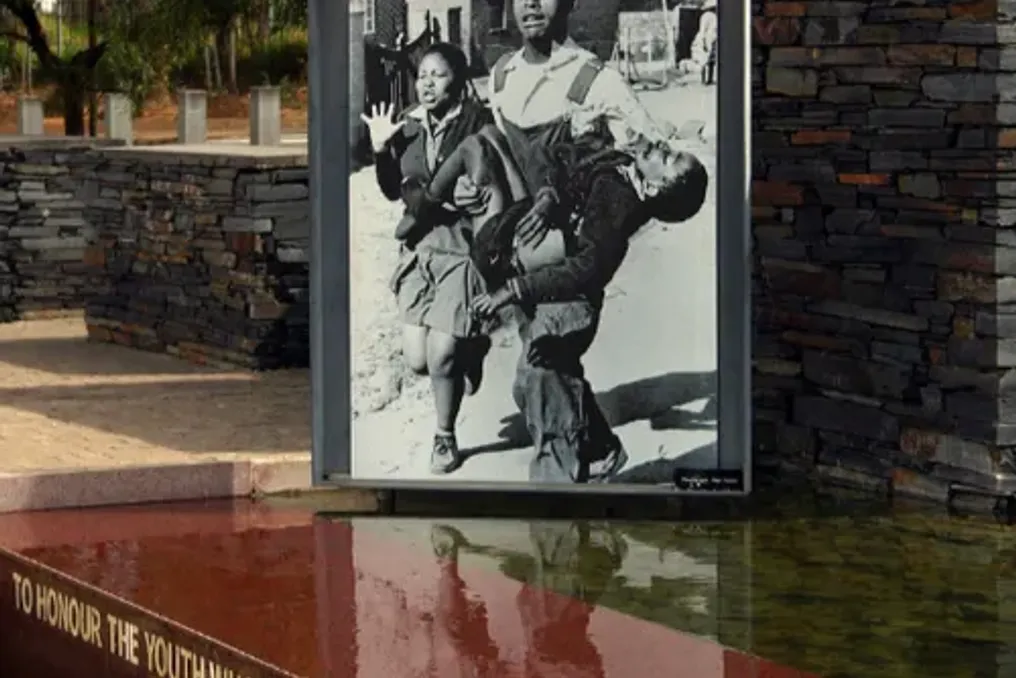
Located in the Soweto area, the Hector Pieterson Museum commemorates the students who participated in the June 16, 1976 uprising. The museum sheds light on the events related to the Soweto uprising and the role of youth in challenging the apartheid education system.

The museum is named after Hector Pieterson, a 13-year-old student whose death became one of the iconic scenes of the uprising. It uses photographs, audiovisual materials, and personal accounts to narrate the events of June 16 and their consequences.

Address: 8287 Khumalo Street, Orlando West, Soweto. Opening hours: usually 10:00 to 17:00; until 16:30 on Sundays. The museum is near other important Soweto attractions, such as Vilakazi Street and Nelson Mandela House, allowing several historical stops to be combined into one trip. It is recommended to allocate at least an hour for a full tour of the museum and memorial.

Nelson Mandela House

No trip to Joburg on Heritage Day would be complete without a visit to Nelson Mandela's former home on Vilakazi Street. This modest residence, where Mandela lived with his family, has been converted into a museum dedicated to his life, family, and political journey.

The house allows visitors to see Mandela's life outside his political role, using memorabilia, photographs, and personal items to tell the story of the Mandela family. Vilakazi Street itself is a major attraction, known for being associated with two Nobel Peace Prize laureates—Nelson Mandela and Archbishop Desmond Tutu.

Address: 8115 Vilakazi Street, Orlando West, Soweto. Opening hours: approximately daily from 9:00 to 17:00. Since the house is small, the museum can be viewed in a short time. It is advised to combine a visit to Mandela House with the Hector Pieterson Museum and a walk along Vilakazi Street to spend a whole day enjoying the restaurants, shops, and local atmosphere.

Sophiatown Heritage Centre

Sophiatown is another important historic district of Joburg. It was once a vibrant, multicultural neighborhood that became a hub of music, politics, literature, and cultural life before residents were forcibly removed during the apartheid era.

The Sophiatown Heritage Centre preserves and shares the stories of the community that lived there, including artists, musicians, and activists who contributed to shaping South African culture. It gives visitors a chance to experience another side of Joburg's heritage—one rooted in community, creativity, and resilience.

Address: 73 Toby Street, Sophiatown, Johannesburg. Operating hours: 9:00 to 16:00 from Monday to Saturday.

Make Heritage Day a Joburg History Lesson

Heritage Day is more than just a celebration of South Africa's diverse cultures; it is also an opportunity to understand the people, places, and events that have shaped the country we live in today. On this September 24th, instead of a normal day at home, you can spend time exploring Joburg and uncovering hidden stories.

Blind artist creates statues of Ganesha and Shiva using tactile sensations
Read more
thebetterindia.com

Blind artist creates statues of Ganesha and Shiva using tactile sensations

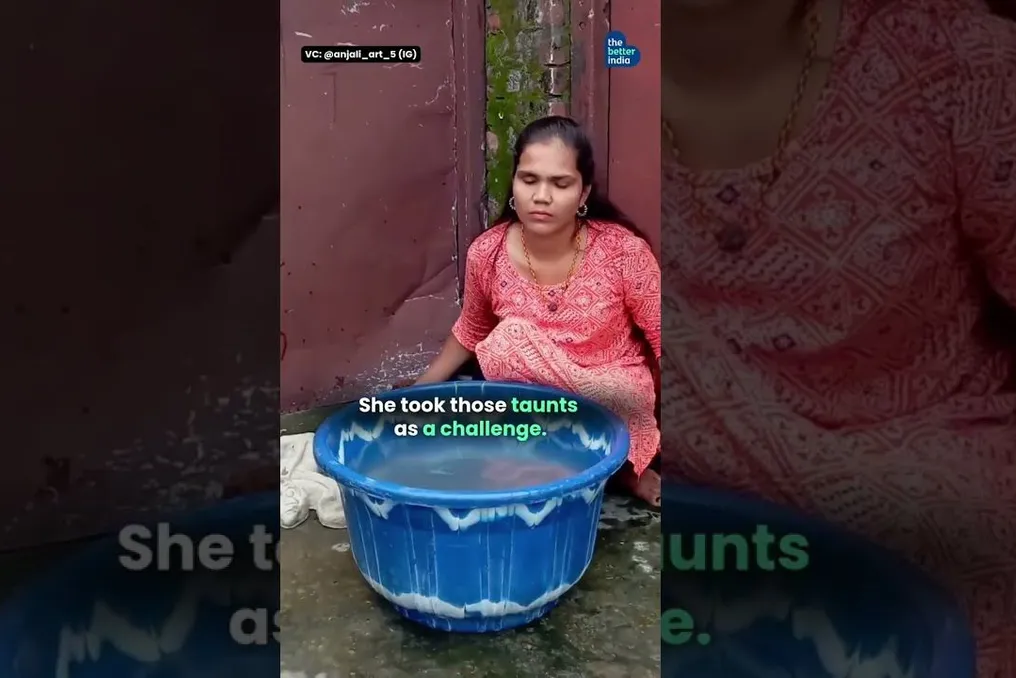
Anjali lost her sight at the age of just 8, but she never lost her ability to be creative. Her vision weakened from childhood, and initially, she did not realize the loss. The situation became apparent to her family when she began bumping into walls and objects.

Various treatment methods, including surgery, were offered, and there was hope for vision restoration. However, the nerves in her eyes stopped functioning, and doctors today state that there is no cure to restore her sight.

But Anjali found another way to interact with the world—through her hands. In childhood, she made diyas, and later started creating clay toys. Visits to temples inspired her to create idols of Ganesha, Shiva, and other deities.

Since she could not see the images she created, she felt every line, shape, and detail with her fingers, turning touch into art. Despite some people considering her useless due to her blindness, Anjali decided to prove otherwise.

She told herself: 'If an ordinary person can do anything, then I can too.' Today, her hands create idols that inspire admiration in people. With the support of her family and local community, Anjali turned a difficulty into her own craft. Her story is not about what she lost, but about everything she refused to let herself lose.

Popular