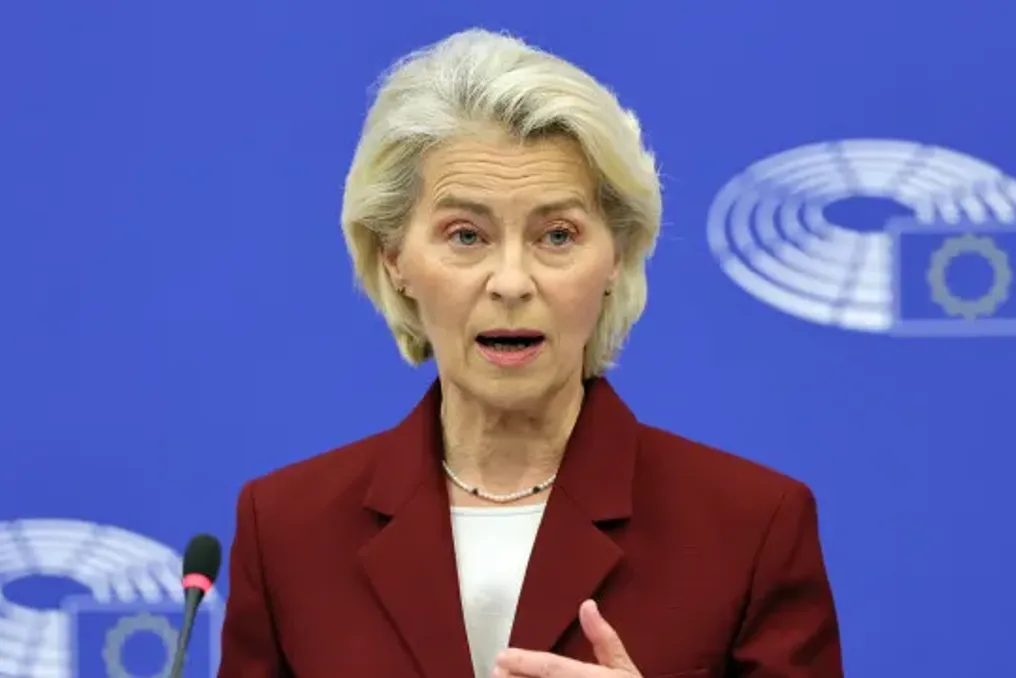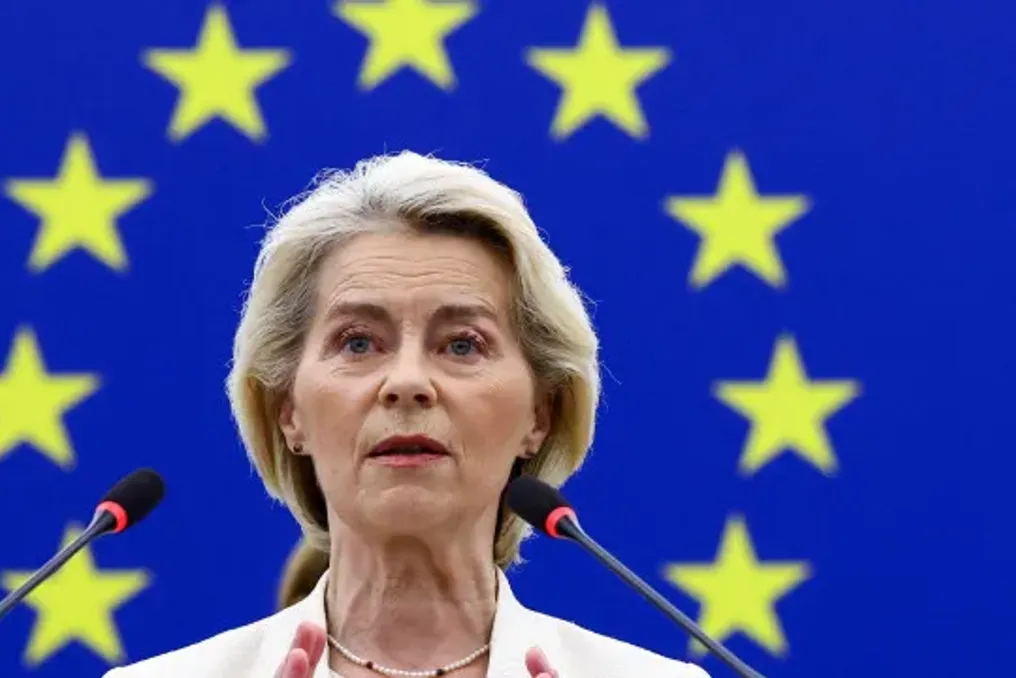
Von der Leyen announced that there will be more defense support and further budgetary assistance as the reforms of the Rada (Ukrainian Parliament) progress, informing that €37 billion is still available this calendar year.
After meeting with Zelensky on the sidelines of the UN General Assembly, Von der Leyen communicated via the social network X that the European Union (EU) will allow Ukraine to access an additional €37 billion from the total credit of €90 billion made available to Kyiv for the current and following years, extending access until the end of 2026.
The Ukrainian president, Zelensky, used the same platform to explain that he discussed with Von der Leyen how to ensure Ukraine's financial stability during the current year and in 2027. Zelensky expressed gratitude to the EU for the decision regarding the €90 billion, adding that Ukraine is fulfilling its commitments under the agreement, respecting the fiscal adjustments required by the EU for the release of funds.
The Ukrainian leader recently revealed that Ukraine's defense spending in the first half of the year exceeded the planned amount by more than $27 billion, an amount that needs to be covered before the end of the year. The EU is responsible for providing almost all the resources that sustain the war effort and the operational capacity of the Ukrainian state.
Kyiv's financial situation has deteriorated in recent weeks due to the Russian offensive against economically crucial sectors for Ukraine, such as agriculture and metallurgy. The large-scale invasion of Ukraine by Russia occurred in February 2022, at which time Kyiv began to receive support from the EU.
Additionally, EU member states reached a consensus to renew the sanctions package against Russia for violating the territorial integrity of Ukraine, shortly before its expiration date. The Irish presidency of the EU Council announced that this renewal was in process after being blocked for several days due to France's and Luxembourg's desire to remove two Russian oligarchs, which had been prevented by Latvia.
This sanctions regime, imposed on Russia for violating the territorial integrity of Ukraine, affects approximately 2,600 people and entities, including asset freezes and the prohibition of supplying funds to sanctioned parties, and is now valid until September 22, 2029. These debated sanctions differ from the economic sanctions against Russia, which cover areas such as energy, trade, and finance, and were recently extended by the EU.