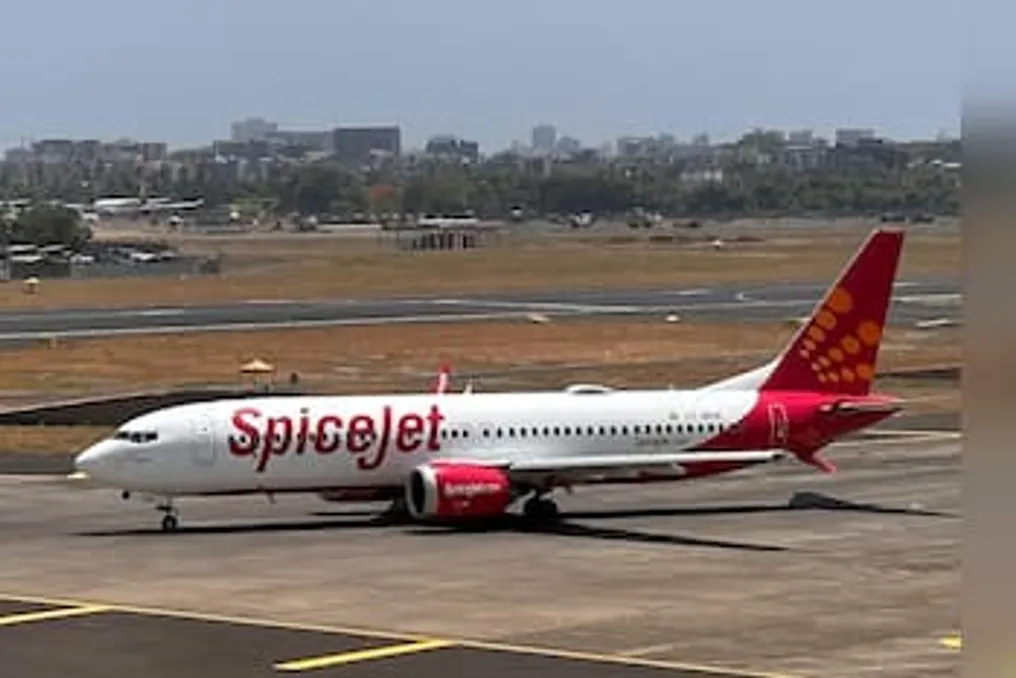
Civil Aviation Minister K Rammohan Naidu reported that the aviation regulatory body DGCA is conducting an operational and financial audit of the budget airline SpiceJet. The goal of these measures is to prevent any inconvenience to passengers.
Naidu emphasized that despite SpiceJet facing several issues leading to frequent flight delays and operational difficulties, the civil aviation ministry has certain limitations in interfering with the internal affairs of a private company.
According to the latest official data, SpiceJet's share of the domestic market decreased to 1.6 percent in July from 1.9 percent recorded in June. The Minister clarified that the ministry's current activity regarding SpiceJet is precisely conducting operational and, to some extent, financial checks through DGCA to rule out any safety violations.
These statements were made by the minister in response to an inquiry about SpiceJet during the signing of state agreements for the next phase of the Udaan program in the country's capital. He also noted that the ministry constantly interacts with the airline, but there are limits to how much the government can intervene in the operations of a private airline.
Furthermore, Naidu mentioned that the government has provided an extension to the Emergency Credit Line Guarantee Scheme (ECLGS) to assist airlines that may face difficulties due to the Middle East crisis. It was reported that SpiceJet received 150 crore rupees under this scheme.
The Minister stated that the main priority now is ensuring that passengers do not experience inconvenience, that safety is not compromised operationally, and that the airline maintains uninterrupted workflows.
According to sources, the airline is experiencing serious financial difficulties, including delays in salary payments to employees; some staff have not received salaries since May. SpiceJet's share of the domestic market began declining as early as February of this year, when it stood at 3.9 percent.
Meanwhile, on September 3, SpiceJet announced the signing of lease agreements with three aircraft operators to introduce 20 aircraft into service. These aircraft, consisting of 15 Boeing and 5 Airbus, will be taken under dry and wet lease agreements to expand operations during the winter period. SpiceJet shares closed on the BSE at a price of 9.20 rupees per share, which is 2.85 percent lower than the previous closing level.