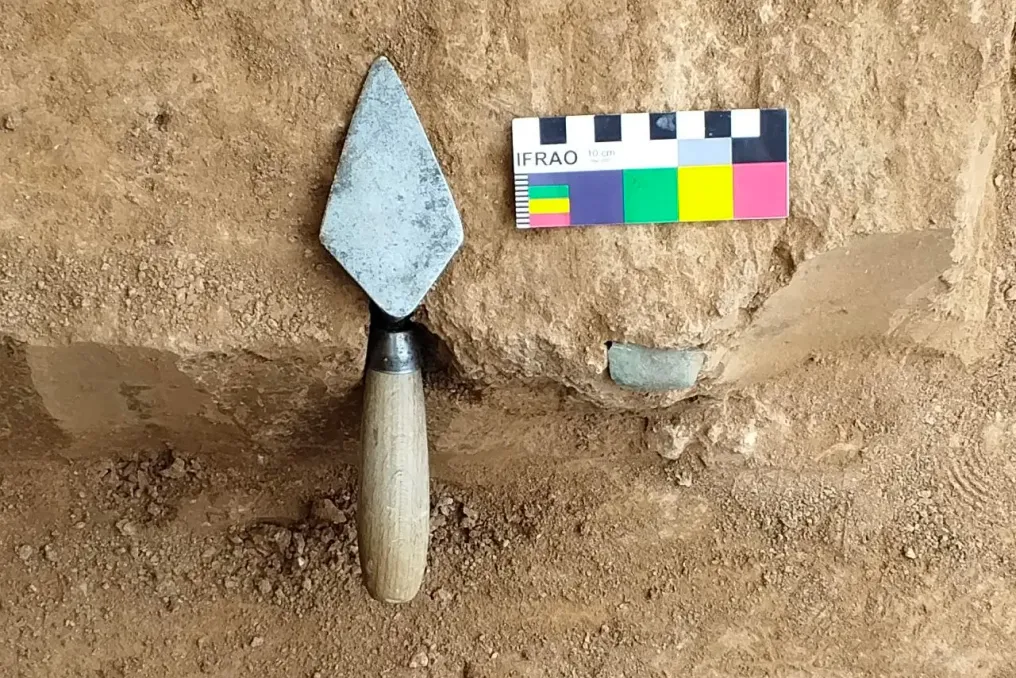
Archaeologists discover ancient altar and ossuary in Kashkadarya
Read more
UzDaily
uzdaily.uz

Archaeologists discover ancient altar and ossuary in Kashkadarya

During excavations at the Odirmon complex in the Kashamir district of Kashkadarya region, archaeologists discovered an altar and an ossuary. According to a report by Dunyo news agency, citing the Spanish digital magazine La Brújula Verde, the findings are preliminarily dated to the period from the 3rd century BCE to the 3rd century CE.

Systematic research of this complex began only this year under the direction of Sanjar Abdurakhimov, a researcher from the Samarkand Archaeological Institute.

In the northeastern part of Odirmon, archaeologists found an altar approximately 70 centimeters high and 90 centimeters wide. Traces of fire and several layers of clay plaster were preserved on the structure, indicating multiple restorations of the building.

Nearby, an ossuary was discovered. This vessel was used to store the bones of a deceased person after the flesh was removed. Its surface is decorated with images that specialists believe depict a deer and an arch, or a Turkestan juniper. The exact meaning of these ornaments will be determined after the completion of restoration work.

The combination of the altar and the ossuary may indicate burial rites associated with Zoroastrian tradition. According to this tradition, the bodies of the deceased were neither buried nor cremated, but the bones were placed in special vessels after the body was cleansed.

Researchers emphasized that although the preliminary dating of Odirmon might document such burial practices several centuries before decorated ossuaries became widespread in Sogdiana and Khorezm, the dating remains preliminary and requires further study.

Work at the complex continues, and archaeologists expect to receive additional data that will help determine the purpose and historical status of Odirmon. According to the Uzbekistan Agency for Cultural Heritage, these discoveries represent a valuable source for studying the religious beliefs and burial practices of the ancient population of the region.
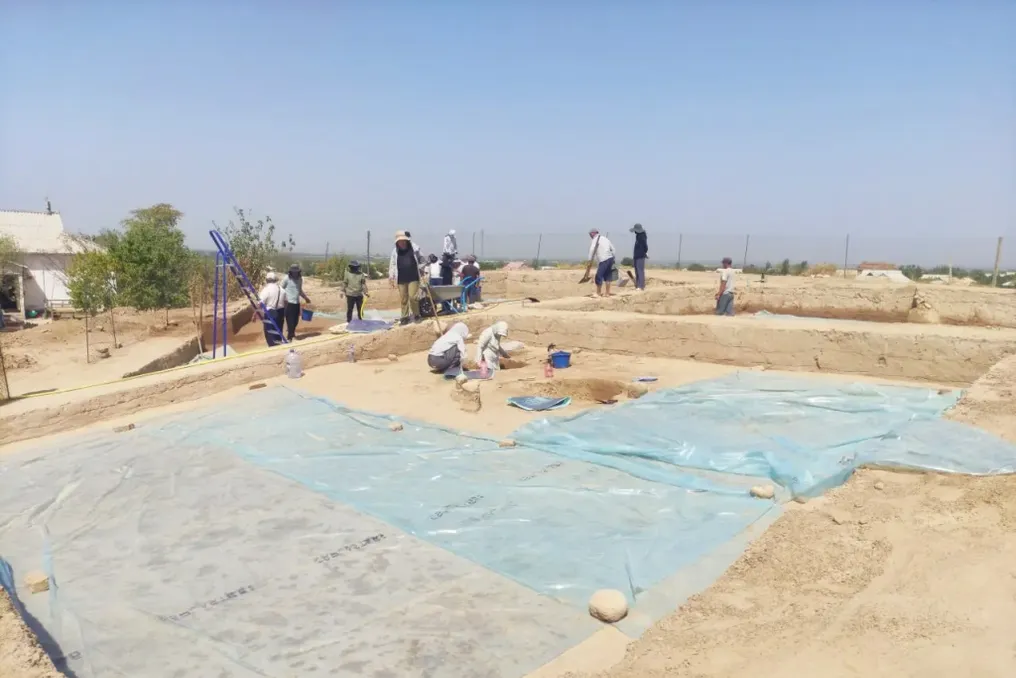
Similar stories

Ancient Bronze Age Cemetery Discovered in Surkhandarya with Burials
Read more
podrobno.uz

Ancient Bronze Age Cemetery Discovered in Surkhandarya with Burials

Archaeologists are exploring one of the region's oldest burial grounds, located at the Ozod monument, in the Shurchinsky district of the Surkhandarya region of Uzbekistan. During the work, approximately one hundred burials dating back 3,5 thousand years were discovered.

Excavations at this monument began on August 15, 2026. The research is being conducted through the joint efforts of specialists from the Gulomov Samarkand Archaeological Institute and the Silk Road Archaeology Research Center of Northwestern University of China.

The monument itself was first discovered in 2023 as a result of field reconnaissance work conducted in the eastern part of the Surkhandarya basin. It is located southeast of the village of Ozod, about six kilometers from another ancient monument—Dalverzintepa. The total area of the archaeological site is about 200 by 100 meters, and about one hundred burials have been identified so far.

In the current season, the specialists' attention was focused on more than ten graves located in the southwestern part of the monument. Preliminary results indicate that both the construction of the burials and the found artifacts exhibit characteristics of the Sapallin culture.

The age of the monument was determined through radiocarbon dating and comparative typological study of archaeological finds. According to preliminary estimates, the burials date to the period of 1700–1500 BCE, which corresponds to the age of the Ozod cemetery at 3.5 thousand years. For archaeologists, this site is of significant interest because it is one of the oldest cemeteries found in the Surkhandarya basin, and its study will help clarify the evolution of funerary traditions of the local ancient population.

Work at the site continues, and archaeologists expect new discoveries that will allow for a more detailed study of the history of this ancient monument. It should be noted that stone artifacts dating back 320 thousand years have previously been found in the Tashkent region.

Popular