Historic building The LENOX in Cape Town (1897) undergoes restoration and is being transformed into a boutique hotel with an art residency
Read more
Getaway
getaway.co.za

Historic building The LENOX in Cape Town (1897) undergoes restoration and is being transformed into a boutique hotel with an art residency

There is a certain satisfaction when an old building in Cape Town gets a second chance. In the Gardens area, The LENOX is being restored from a former luxurious residential hotel and hostel into a 47-room boutique hotel, which will feature an art residency at its center.

The building itself dates back to 1897, when the Mount Vernon structure was built. In the 1930s, it was expanded and became The Lenox residential hotel, where guests could stay for longer periods. Its 1935 dining hall with large arched windows remains one of the distinctive features of the property.

However, the history of this place runs even deeper. The plot was part of the historic Gordmolen estate, and Lincoln Villa, dating to the late Georgian style around 1860, adds another layer to this location. Heritage assessments recognize the buildings as significant from both architectural and historical perspectives within the Gardens streetscape.

For decades, this history remained relatively unnoticed. The Lenox eventually became a guesthouse and hostel, retaining traces of its former appearance, including Victorian fireplaces, French doors, and the old dining hall. The painter Vladimir Tretschikoff also once lived here, whose connection to the property adds an unexpected artistic thread to its history.

Now, art will also become part of its future. The restoration work is overseen by MEMORIST, a French heritage preservation company within the MOBILITAS group, and the hotel management has been entrusted to Newmark Hotels & Reserves. Plans involve combining the restoration of historic buildings with modern additions such as a restaurant, conference facilities, and landscaped gardens.

The hotel is expected to open in 2027. But the most interesting part may happen outside the guest rooms. The property's art residency, Villa Lenox, is being developed in partnership with the French Institute of South Africa. Starting in 2028, it plans to host Francophone artists from Africa and France for three-month residencies, with three living studios capable of accommodating up to nine artists per year. A pilot residency is scheduled for 2027.

The idea is for artists to work within the hotel, rather than in closed premises. Guests will be able to observe the creative process, visit the studios, and enjoy exhibitions and works of art throughout the premises.

The location also enhances the appeal. The LENOX is situated in the Gardens, near Table Mountain, De Waal Park, the South African National Gallery, as well as the City Bowl's galleries, restaurants, and cafes. It is part of a Cape Town area where one can spend a day moving between mountain trails, galleries, green streets, and long lunches. The hotel itself is intended to be part of this experience, not just another place to sleep.

By 2027, the historic landmark of the Gardens is expected to welcome guests again. When Villa Lenox opens, its rooms and studios will combine what the building has lacked for a long time: a future connected to its past. The LENOX is not just being preserved; it is being allowed to live again.

Similar stories

Cape Town Welcomes First Cruise Liner of the 2026/27 Season
Read more
getaway.co.za

Cape Town Welcomes First Cruise Liner of the 2026/27 Season

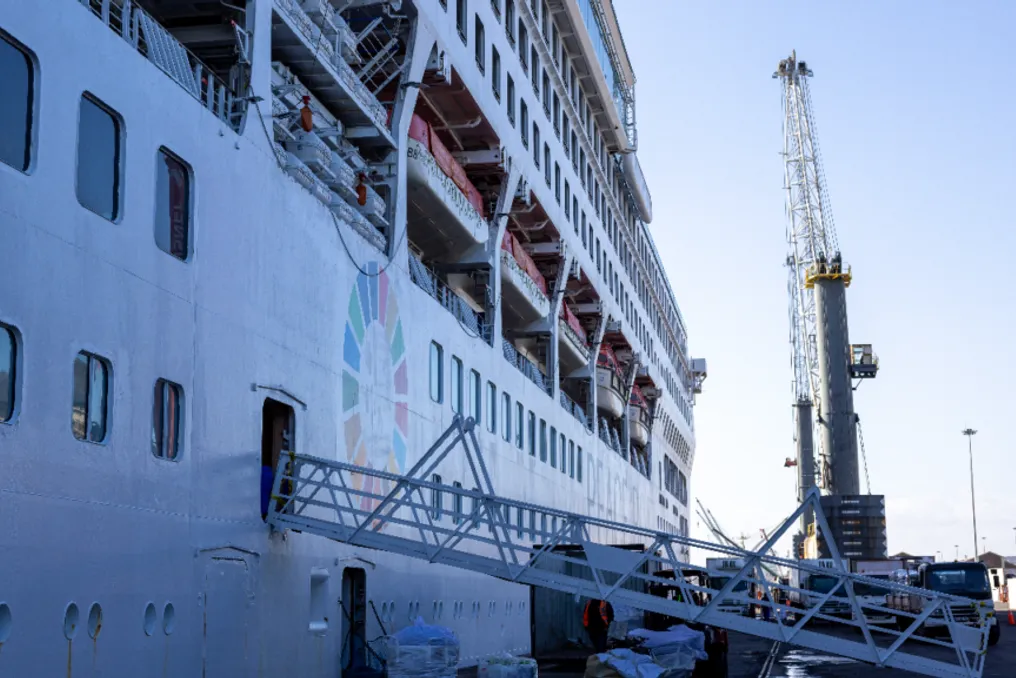
The tourism industry in Cape Town has started a new season with the arrival of the cruise ship Pacific World, which was the first liner of the 2026/27 season. The vessel docked at the Cape Town Cruise Terminal on Thursday, according to a statement from Cape Town Etc.

The arrival of this ship marks an important milestone, as it carried 1397 passengers, most of whom arrived from Japan. Their welcome was accompanied by traditional local music and entertainment in honor of Tourism Month.

This first call signifies the growing popularity of Cape Town and the Western Cape as a primary destination for cruises, as well as as a departure point for broader routes across South Africa.

Pacific World is part of the fleet of Peace Boat, an innovative non-governmental organization based in Japan. This organization promotes peace, human rights, sustainable development, and international cooperation through its global travels and educational programs.

The economic impact of cruise tourism is significant. In the 2024/25 season alone, cruise tourism brought R1.79 billion to the GDP of the Western Cape, contributing to business development, job creation, and providing tangible benefits to the entire tourism value chain.

The latest data on the economic impact of the 2025/26 season is expected to be published soon, further highlighting the importance of this sector.

Thinele Stander, CEO of Wesgro, emphasized the contribution of the cruise sector to the growth of provincial tourism. She noted that 'the key driver of this success is the power of public-private partnerships underpinning Cruise Cape Town. Through collaboration between government, industry, and private sector partners, we can attract more cruise calls, increase visitor numbers, and maximize the economic opportunities generated by the cruise economy.'

Andre Blaine, Executive Director for Maritime and Industrial Affairs at V&A Waterfront, expressed similar views, noting that 'every arrival of a cruise ship creates value that extends far beyond the terminal. Cruise visitors contribute significantly to local businesses, attractions, restaurants, tour operators, and accommodation providers, stimulating visitor spending throughout Cape Town and the wider region.'

Alderman James Vos, City Council member for Economic Growth in the City of Cape Town, reiterated the importance of cruise tourism for enhancing the city's competitiveness as a global tourist destination. He explained: 'Through strategic destination marketing and strong partnerships, we are working to attract more visitors and develop the tourism economy. Cruise tourism is a key factor in these efforts, generating jobs, supporting local businesses, and creating economic opportunities for residents across the city.'

Dr. Ivan Meyer, Minister of Agriculture, Economic Development and Tourism of the Western Cape, congratulated the arrival of Pacific World. He stressed that the start of the cruise season demonstrates the strength of collaboration in developing Cape Town's growing visitor economy. Meyer added: 'Cruise tourism directly contributes to the goals of the Western Cape Government's Employment Growth Strategy by stimulating tourism growth, creating employment opportunities, supporting small businesses, and activating economic activity across the province.'

Kuruman in the Northern Cape: An Oasis Formed by a Natural Spring
Read more
getaway.co.za

Kuruman in the Northern Cape: An Oasis Formed by a Natural Spring

In the arid landscape of the Northern Cape, Kuruman presents an unexpected green island. This town, known as the Kalahari Oasis, originated around the Kuruman Eye—a natural spring that supplies about 20 million liters of water daily. The spring, named Gasegonyane in Setswana, has provided water for people, agriculture, and wildlife in this dry area for generations.

However, Kuruman is not only its famous spring. Its history spans from indigenous communities and missionary settlements to archaeological finds dating back over a million years. Outside the town, the landscape transforms into thornbush, rocky hills, and the Kalahari plains.

A weekend visit here allows one to see how water influenced the development of this place—from the earliest inhabitants to the modern town. The central point giving Kuruman its unique character is the Kuruman Eye. It is located in the center of the town, from where clean spring water rises from the ground and collects in a pool surrounded by gardens, palms, and other vegetation.

The spring produces approximately 20 million liters of water daily, even during the dry season. Its name in Setswana is Gasegonyane, which means a small basin of bubbling water. It is recommended to spend time walking around the area rather than viewing the Eye as a quick roadside stop. One should observe the clear water for fish and other aquatic life, watch birds among the vegetation, and notice the sharp contrast between the greenery and the dry land outside the town.

This spring also feeds the Kuruman River and historically supported irrigation and agriculture in the region. The history of the Eye is inextricably linked to the history of Kuruman. The spring enabled permanent settlement and later became the center for the establishment of Moffat Mission. Robert and Mary Moffat founded their mission here in the 1820s, working with local communities speaking Setswana.

The mission became an important center for education, language, and printing. Robert Moffat translated the Bible into Tswana and used a printing press for local reproduction. This history is still visible on the mission grounds. Moffat Mission is one of Kuruman's most important historical sites. The site includes Moffat's former homestead, foundations of an early classroom, Moffat Church, and other historic buildings. The church was completed in 1838 and designed to accommodate about 800 people.

The mission grounds demonstrate a striking contrast with the surrounding Northern Cape landscape. Mature trees and gardens grow next to historic buildings, facilitated by the reliable water source in the area, creating a surprisingly green corner. Inside the mission, visitors can find the historic cast-iron printing press used by Moffat, as well as other items related to the mission's history.

After visiting the Eye and Moffat Mission, time should be allocated to exploring the town and its surroundings. The contrast between shaded streets, gardens, and the dry landscape outside the oasis is part of the appeal of this place. Kuruman also has local craft shops where tourists can view regional art and handmade goods.

If you are traveling through the Northern Cape and not making Kuruman your sole destination, the town serves as a convenient base for exploring attractions in the surrounding region. The next morning, one can travel south from Kuruman towards Wonderwerk Cave. This archaeological site is about 43–45 km from Kuruman and represents one of the most outstanding testimonies to the distant past of humans in the region. Excavations have uncovered traces spanning over a million years, including stone tools, animal remains, engraved stones, and evidence of controlled fire. The cave is about 140 meters long, and its archaeological record covers several periods of human habitation. Later rock paintings include pictures made with red and yellow ochre.

This is a particularly useful stop as it changes the perspective on the landscape outside Kuruman. Kuruman's dry hills and thornbush are not just scenery; they are part of the environment in which people lived, traveled, and adapted for hundreds of thousands of years. Before traveling, it is necessary to check access conditions, as visits and tours may depend on arrangements with the site.

Returning to Kuruman, time should be spent contemplating the landscape itself. The area around the town is characterized by dry thornbush, rocky terrain, and the broader Kalahari environment. Nevertheless, pockets of water create unexpectedly rich habitats for plants and animals. Birdwatchers can explore areas such as the Hotazel Road bird sanctuary north of the town, and wildlife enthusiasts have larger conservation areas within reach, including Tsawal Kalahari Reserve to the west.

It is important to note the difference between the water-supported green zones and the much drier surrounding terrain. The most fascinating story of Kuruman is not so much about one spring as it is about what happens when a reliable water source appears in an arid environment. The water from the Eye sustained the town, fed the Kuruman River, and allowed for irrigation in the adjacent area. The underground resource under the Gaap plateau effectively creates a green thread through an otherwise dry landscape.

This distinguishes Kuruman from many destinations in the Northern Cape. The attraction lies not just in the desert, but in the dramatic interplay between water and dryness. If you have extra hours, it is worth exploring some of the smaller attractions around Kuruman instead of leaving the town immediately. The Ga-Segonyana region includes the Boesmansgat gorge, the Koranna-Langberg area, local nature reserves, and other historical sites. Kuruman can also be used as a starting point for a longer road trip through the Northern Cape, accessing places like Kaapvaal, Hotazel, and the wider Kalahari region.

Kuruman can be very hot, especially in the summer. Tourist authorities advise avoiding the hottest time of year if possible, while winter brings warm days but potentially very cold nights. Sunscreen and comfortable walking shoes, as well as warm clothing if traveling in colder months, must be packed. The dry season can emphasize the surrounding landscape, and the greenery around the Eye is particularly impressive. Kuruman is ideally suited for a two-day stopover in the Northern Cape, rather than a location requiring tight itinerary planning.

The first day should be dedicated to understanding the town through its water and history: starting with the Eye, visiting Moffat Mission, and leisurely touring the town. The second day can be devoted to exploring the past at Wonderwerk Cave before returning to the Kalahari landscape. By the time of departure, the Kuruman Eye will be understood more clearly: it is not just an attractive spring in the town center, but the reason for the existence of this green patch and a reminder of how deeply water can shape life in one of South Africa's driest regions.

Seven South African Destinations for a Packed Day with Diverse Activities
Read more
getaway.co.za

Seven South African Destinations for a Packed Day with Diverse Activities

Thanks to the diverse landscapes of South Africa, it is easy to plan days that combine nature, culture, wildlife, adventure, and gastronomy. These seven locations are ideal for travelers who prefer constant movement, as each offers a unique combination of experiences located close to one another.

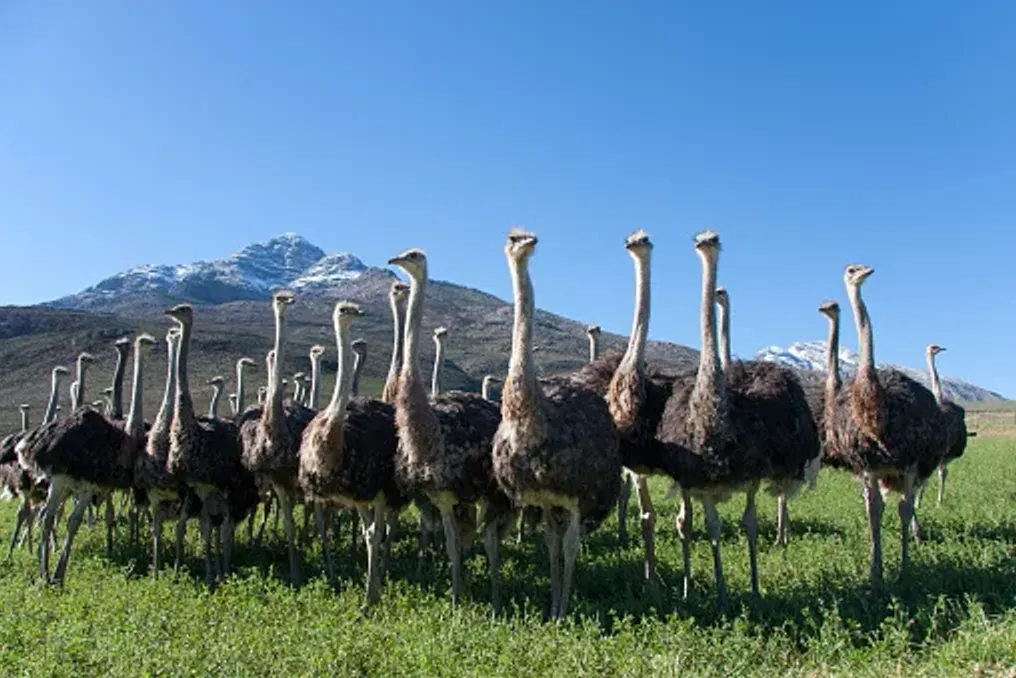
Oudtshoorn, situated between the Swartberg and Outeniqua mountains, is one of the best places in South Africa for a dynamic day. This town in the Klein Karoo region is known for its ostrich farms, impressive scenery, and Cango Caves.

The day can begin with a visit to the Cango Caves, where tours allow visitors to explore a network of ancient limestone chambers and formations. These caves offer a completely different perspective on the Klein Karoo landscape and are one of South Africa's most famous natural attractions.

Upon returning to the surface, attention should be paid to the world's largest bird. Oudtshoorn is famous as the ostrich capital, and a visit to an ostrich farm provides an opportunity to learn about the birds as well as the history of animal husbandry that shaped this region. The day can conclude with a meal showcasing the tastes and produce of the Klein Karoo. If you have extra time, De Raadtsdrift nearby is worth a visit.

Combination: Underground Adventure + Wildlife + Food

Franschhoek is usually associated with wine and fine dining, but there are many activities before lunch. The valley combines mountains, active recreation, Huguenot heritage, galleries, restaurants, and wineries, making it easy to create a varied day.

Start with a walk or hike in the Mont Rochelle Nature Reserve. The reserve offers the chance to experience the mountains and fynbos surrounding the valley before returning to the village. Activities in this area also include cycling, horse riding, and paragliding. Then head to Franschhoek to explore its Huguenot heritage. The Huguenot Monument and adjacent historical sites provide insight into the influence of French Huguenots on the valley, while a stroll down the main street passes by galleries, shops, and restaurants. The day can end at one of the valley's restaurants or wineries. Franschhoek offers everything: from relaxing farm-style picnics to more formal lunches, often with views of the mountains and vineyards.

Combination: Mountain Air + Heritage + Food and Wine

Hermanus is particularly good for outdoor activities. During whale season, you can start with marine life watching, spend the middle of the day exploring the town, and finish with a meal overlooking the coast. Southern Right Whales arrive in this area around June, making the town one of the most renowned spots for land-based whale watching in South Africa.

Begin your journey along the Hermanus Cliff path, which stretches about 12 kilometers along the coast. You don't have to complete the entire route; choose a section and stop at viewpoints to watch Whale Bay, keeping an eye out for whales during the season. After walking along the coast, explore Hermanus's galleries, markets, or museums. The town has a strong artistic and cultural scene alongside its history as a fishing and agricultural community. The day can conclude with seafood or other local cuisine. Hermanus is part of the UNESCO Creative Cities Network as a Gastronomy City, and its culinary scene ranges from seafood restaurants to farm-to-table dishes and local markets.

Combination: Marine Life + Walk + Food and Culture

Stellenbosch is another destination where you can do much more than just visit a winery. This historic university town combines active recreation, gardens, heritage, art, food, and wine, offering numerous attractions that are close enough to fit into one day. Start at the Stellenbosch Botanical Garden in the city center. The garden features local and exotic plants, shaded paths, streams, and ponds, providing a tranquil start before heading to the busier historic center.

Next, you can move into the old town and visit the Stellenbosch Village Museum or stroll through the historic streets. Stellenbosch is the second oldest city in South Africa, and its Cape Dutch architecture, museums, and galleries give the center a distinct character. Instead of spending the whole day at a winery, make the latter part of the day active. Jonkershoek offers hiking and adventure activities, while other options around Stellenbosch include cycling, zip-lining, and non-motorized scooter trails. The day can then conclude with a meal or wine tasting at one of the local wineries.

Combination: Gardens + Heritage + Adventure

Graaff-Reinet offers a completely different kind of packed day, combining dramatic landscapes with one of South Africa's most historic cities. Founded in 1786, the city boasts an impressive collection of historic buildings and museums, while the surrounding Gamtoos landscape provides numerous opportunities for outdoor activity. Start at the Lone Creek Valley in Gamtoos National Park. The viewpoint is surrounded by high dolerite cliffs and vast views of the Karoo. Hiking trails are also available, including the short Kraag Lizard trail.

Back in the city, you can explore the Graaff-Reinet museum complex. Riet House, Old Residence, Urkhart House, and the Military History Museum each offer a different view of the city's past. Art lovers will also appreciate the Hester Rupert Art Museum. Conclude the day with a Karoo-style meal before heading back out into the landscape for an afternoon or evening trip. For something different, you can visit Karoo Origins, which combines fossils and ancient history with a coffee shop and local wine, offering another way to end the day.

Combination: Karoo Landscapes + History + Culture

Durban allows you to organize a packed day without leaving the city limits. Its waterfront, gardens, and unique culinary culture offer three seemingly very different experiences despite their relative proximity. Start near the Indian Ocean with a walk, bike ride, or swim along Golden Mile. The waterfront is one of Durban's defining attractions and offers many opportunities for fresh air before the midday heat sets in. Next, replace the ocean with the greenery of the Durban Botanic Gardens. The gardens provide a calm contrast to the waterfront and are a good place to spend a couple of hours exploring plant collections and landscape areas. The day can conclude with bunny chow—a bread filled with curry. This curry-filled bread is one of Durban's most recognizable dishes and reflects the city's strong Indian culinary influence. A guide from Durban Tourism specifically highlights bunny chow as a must-see spot in the city.

Combination: Ocean + Gardens + Culinary Culture

Johannesburg suits travelers who want their packed day to be more urban. Instead of moving between natural attractions, you can spend the day moving across different parts of the city—from its complex history to its modern creative scene and more energetic entertainment. Start at the Apartheid Museum and allocate enough time to thoroughly study its exhibits. The museum provides important context for understanding 20th-century South African history and the legacy of apartheid. After the museum, completely change pace by visiting one of Johannesburg's creative districts, galleries, or street art zones. The contrast between the historical focus of the morning and the modern art scene and city design is part of what makes Johannesburg interesting. End the day with an adventure or entertainment event, rather than another museum. Depending on interests, this could mean an adrenaline activity, live entertainment, district exploration, or simply finding a lively spot for dinner.

Combination: History + Creativity + Adventure

The appeal of these destinations lies not just in having many attractions, but in the contrast between them. In Oudtshoorn, you can transition from ancient caves to the ostrich country, and then sit down for a Karoo-style meal. In Hermanus, the day can range from whale watching to art and coastal cuisine. In Stellenbosch, gardens, heritage, and active recreation can fit into one itinerary. This diversity also makes these destinations useful for groups with different interests. One person can get their dose of nature, another can explore history and culture, and everyone can meet again when it's time to eat.
Popular