Thanks to the diverse landscapes of South Africa, it is easy to plan days that combine nature, culture, wildlife, adventure, and gastronomy. These seven locations are ideal for travelers who prefer constant movement, as each offers a unique combination of experiences located close to one another.
Oudtshoorn, situated between the Swartberg and Outeniqua mountains, is one of the best places in South Africa for a dynamic day. This town in the Klein Karoo region is known for its ostrich farms, impressive scenery, and Cango Caves.
The day can begin with a visit to the Cango Caves, where tours allow visitors to explore a network of ancient limestone chambers and formations. These caves offer a completely different perspective on the Klein Karoo landscape and are one of South Africa's most famous natural attractions.
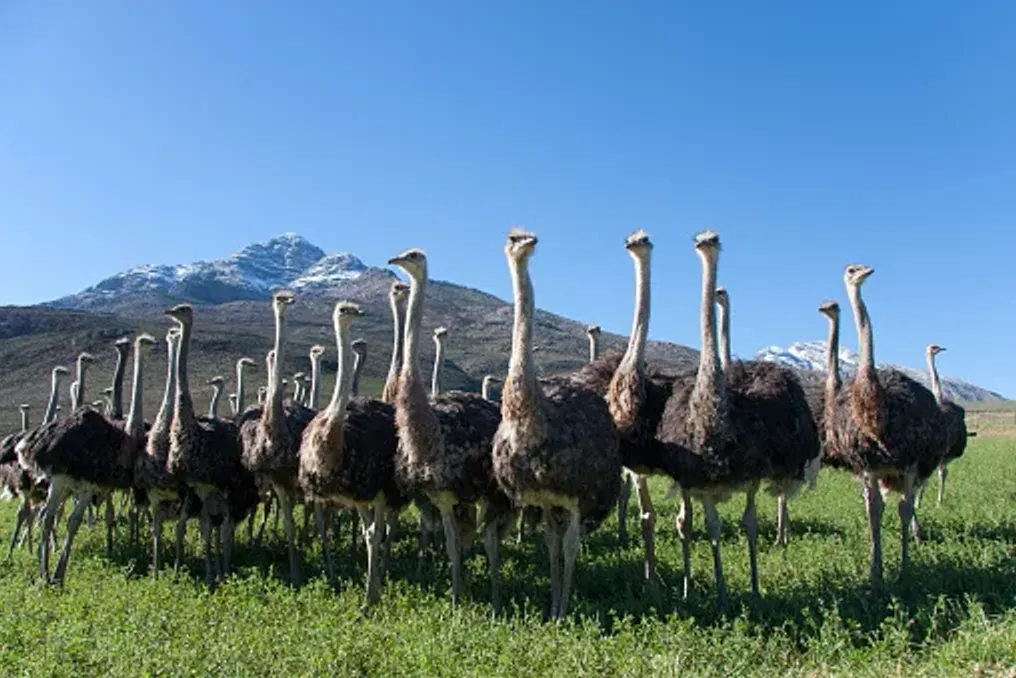
Upon returning to the surface, attention should be paid to the world's largest bird. Oudtshoorn is famous as the ostrich capital, and a visit to an ostrich farm provides an opportunity to learn about the birds as well as the history of animal husbandry that shaped this region. The day can conclude with a meal showcasing the tastes and produce of the Klein Karoo. If you have extra time, De Raadtsdrift nearby is worth a visit.
Combination: Underground Adventure + Wildlife + Food
Franschhoek is usually associated with wine and fine dining, but there are many activities before lunch. The valley combines mountains, active recreation, Huguenot heritage, galleries, restaurants, and wineries, making it easy to create a varied day.
Start with a walk or hike in the Mont Rochelle Nature Reserve. The reserve offers the chance to experience the mountains and fynbos surrounding the valley before returning to the village. Activities in this area also include cycling, horse riding, and paragliding. Then head to Franschhoek to explore its Huguenot heritage. The Huguenot Monument and adjacent historical sites provide insight into the influence of French Huguenots on the valley, while a stroll down the main street passes by galleries, shops, and restaurants. The day can end at one of the valley's restaurants or wineries. Franschhoek offers everything: from relaxing farm-style picnics to more formal lunches, often with views of the mountains and vineyards.
Combination: Mountain Air + Heritage + Food and Wine
Hermanus is particularly good for outdoor activities. During whale season, you can start with marine life watching, spend the middle of the day exploring the town, and finish with a meal overlooking the coast. Southern Right Whales arrive in this area around June, making the town one of the most renowned spots for land-based whale watching in South Africa.
Begin your journey along the Hermanus Cliff path, which stretches about 12 kilometers along the coast. You don't have to complete the entire route; choose a section and stop at viewpoints to watch Whale Bay, keeping an eye out for whales during the season. After walking along the coast, explore Hermanus's galleries, markets, or museums. The town has a strong artistic and cultural scene alongside its history as a fishing and agricultural community. The day can conclude with seafood or other local cuisine. Hermanus is part of the UNESCO Creative Cities Network as a Gastronomy City, and its culinary scene ranges from seafood restaurants to farm-to-table dishes and local markets.
Combination: Marine Life + Walk + Food and Culture
Stellenbosch is another destination where you can do much more than just visit a winery. This historic university town combines active recreation, gardens, heritage, art, food, and wine, offering numerous attractions that are close enough to fit into one day. Start at the Stellenbosch Botanical Garden in the city center. The garden features local and exotic plants, shaded paths, streams, and ponds, providing a tranquil start before heading to the busier historic center.
Next, you can move into the old town and visit the Stellenbosch Village Museum or stroll through the historic streets. Stellenbosch is the second oldest city in South Africa, and its Cape Dutch architecture, museums, and galleries give the center a distinct character. Instead of spending the whole day at a winery, make the latter part of the day active. Jonkershoek offers hiking and adventure activities, while other options around Stellenbosch include cycling, zip-lining, and non-motorized scooter trails. The day can then conclude with a meal or wine tasting at one of the local wineries.
Combination: Gardens + Heritage + Adventure
Graaff-Reinet offers a completely different kind of packed day, combining dramatic landscapes with one of South Africa's most historic cities. Founded in 1786, the city boasts an impressive collection of historic buildings and museums, while the surrounding Gamtoos landscape provides numerous opportunities for outdoor activity. Start at the Lone Creek Valley in Gamtoos National Park. The viewpoint is surrounded by high dolerite cliffs and vast views of the Karoo. Hiking trails are also available, including the short Kraag Lizard trail.
Back in the city, you can explore the Graaff-Reinet museum complex. Riet House, Old Residence, Urkhart House, and the Military History Museum each offer a different view of the city's past. Art lovers will also appreciate the Hester Rupert Art Museum. Conclude the day with a Karoo-style meal before heading back out into the landscape for an afternoon or evening trip. For something different, you can visit Karoo Origins, which combines fossils and ancient history with a coffee shop and local wine, offering another way to end the day.
Combination: Karoo Landscapes + History + Culture
Durban allows you to organize a packed day without leaving the city limits. Its waterfront, gardens, and unique culinary culture offer three seemingly very different experiences despite their relative proximity. Start near the Indian Ocean with a walk, bike ride, or swim along Golden Mile. The waterfront is one of Durban's defining attractions and offers many opportunities for fresh air before the midday heat sets in. Next, replace the ocean with the greenery of the Durban Botanic Gardens. The gardens provide a calm contrast to the waterfront and are a good place to spend a couple of hours exploring plant collections and landscape areas. The day can conclude with bunny chow—a bread filled with curry. This curry-filled bread is one of Durban's most recognizable dishes and reflects the city's strong Indian culinary influence. A guide from Durban Tourism specifically highlights bunny chow as a must-see spot in the city.
Combination: Ocean + Gardens + Culinary Culture
Johannesburg suits travelers who want their packed day to be more urban. Instead of moving between natural attractions, you can spend the day moving across different parts of the city—from its complex history to its modern creative scene and more energetic entertainment. Start at the Apartheid Museum and allocate enough time to thoroughly study its exhibits. The museum provides important context for understanding 20th-century South African history and the legacy of apartheid. After the museum, completely change pace by visiting one of Johannesburg's creative districts, galleries, or street art zones. The contrast between the historical focus of the morning and the modern art scene and city design is part of what makes Johannesburg interesting. End the day with an adventure or entertainment event, rather than another museum. Depending on interests, this could mean an adrenaline activity, live entertainment, district exploration, or simply finding a lively spot for dinner.
Combination: History + Creativity + Adventure
The appeal of these destinations lies not just in having many attractions, but in the contrast between them. In Oudtshoorn, you can transition from ancient caves to the ostrich country, and then sit down for a Karoo-style meal. In Hermanus, the day can range from whale watching to art and coastal cuisine. In Stellenbosch, gardens, heritage, and active recreation can fit into one itinerary. This diversity also makes these destinations useful for groups with different interests. One person can get their dose of nature, another can explore history and culture, and everyone can meet again when it's time to eat.