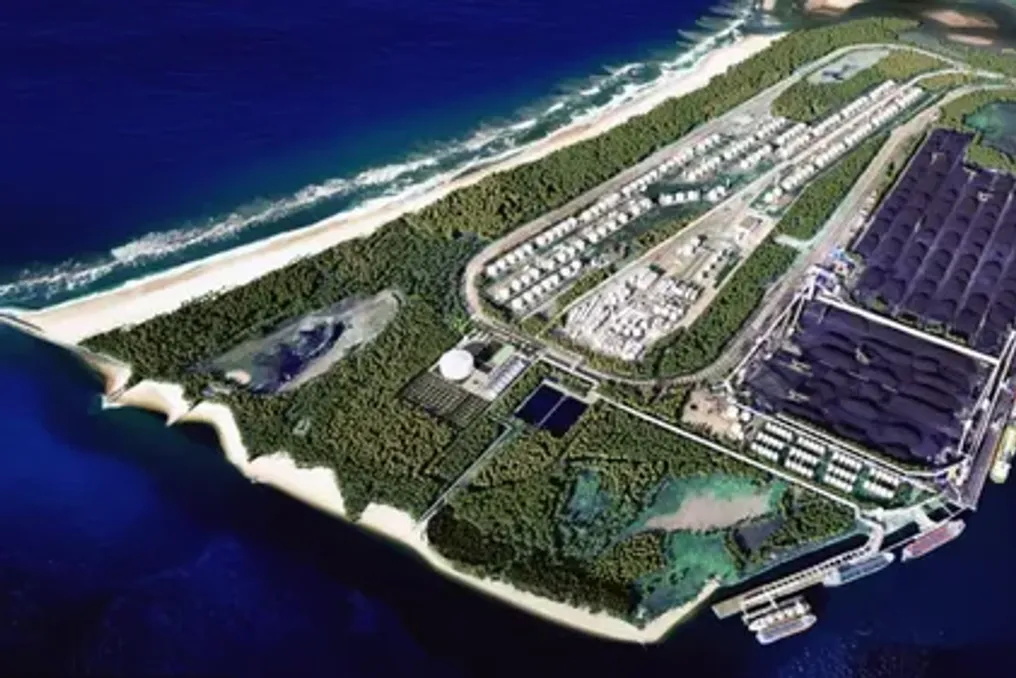
Richards Bay becomes a potential energy hub for Africa
Read more
IOL
iol.co.za

Richards Bay becomes a potential energy hub for Africa

The Port of Richards Bay, located in KwaZulu-Natal, is being considered as the future energy hub of Africa. A terminal for importing liquefied natural gas (LNG) is planned for construction in the Richards Bay port area, which will include a floating storage unit. The article's authors argue that Richards Bay possesses unique conditions to ensure energy security, industrialization, and economic growth.

For a long time, Richards Bay has been recognized as one of Africa's most important ports, serving as a key export gateway for raw materials, finished products, and bulk goods. Despite past difficulties, the city is now on the threshold of greater opportunities, as Africa needs to secure energy, industrialization, and economic growth. The city's role should be viewed not only as a provincial development initiative but also as a strategic platform for enhancing national competitiveness and continental integration.

Strategic Location with Continental Significance

Richards Bay has several advantages that are hard to find in other African cities. Among them are one of the continent's largest deep-water ports, providing access to key regional markets, existing industrial infrastructure, and direct connections to major rail and road networks. These characteristics make it an ideal location for energy and industrial development.

KwaZulu-Natal increasingly defines Richards Bay as the core of its long-term growth strategy, positioning the city as a national energy center capable of attracting investment in projects related to gas-to-energy conversion, renewable energy production, green hydrogen, energy storage, and LNG infrastructure. The significance of this development extends beyond the province. As African economies grow and urbanize, reliable energy will become one of the continent's most crucial competitive advantages, and Richards Bay will play a central role in this.

KwaZulu-Natal itself will be the most immediate beneficiary. Major investments in energy infrastructure stimulate construction activity, create jobs, and increase demand across various sectors. This aligns with the provincial growth and development plan for KwaZulu-Natal until 2035. One of the most interesting aspects of Richards Bay's development is its capacity to support industrialization. Historically, economic growth in Africa has often been constrained by inadequate energy infrastructure.

The availability of accessible and reliable energy is a prerequisite for mining, mineral processing, and petrochemicals. The creation of facilities for LNG import, liquid bulk terminals, fuel storage infrastructure, and gas distribution networks will form an industrial ecosystem capable of attracting significant domestic and international investment. This industrial agenda is consistent with South Africa's broader economic goals: increasing production capacity, reducing import dependence, and creating high-paying jobs.

For KwaZulu-Natal, this could make Richards Bay a nodal point for a wider corridor of development, and for South Africa, it could help revitalize industrial competitiveness. For the entire continent, it could demonstrate how a port city can become a platform for energy-powered production and regional trade. The multiplier effect could be substantial: every major infrastructure project creates opportunities, and new industrial enterprises will increase municipal revenue, encourage skills development, and support the growth of secondary industries in Zululand and northern KwaZulu-Natal.

Strengthening South Africa's Energy Security

South Africa faces a growing problem known as the 'gas gap'. Existing gas reserves from the mature fields of Pande and Temane in Mozambique are expected to decline in the coming years, posing risks to industrial operations and energy-intensive sectors dependent on natural gas.

The planned LNG import infrastructure in Richards Bay could help solve this problem by providing a new channel for the import, storage, and distribution of natural gas among power producers and industrial consumers. This is not just an infrastructure project, but a strategic national asset. Reliable gas supply can support the development of gas-fired power stations, including the proposed gas-to-energy conversion capacity in Richards Bay, helping to stabilize South Africa's energy supply while complementing the growing capacity of renewable energy sources.

By strengthening energy security, Richards Bay can contribute to boosting investment confidence across the country, allowing industries to expand production, create jobs, and improve competitiveness. Beyond South Africa, Richards Bay has the potential to become one of Africa's most vital energy gateways. The continent continues to face a significant energy deficit, and many countries are seeking reliable access to affordable fuel and modern energy infrastructure. Richards Bay's strategic position on the Indian Ocean makes it a natural entry point for global LNG supplies and energy trade flows.

As trade expands within the African Continental Free Trade Area, ratified by 48 countries and projected to be worth $450 billion by 2035, ports that efficiently facilitate the movement of energy products, industrial goods, and raw materials will become increasingly valuable. Richards Bay potentially could serve not only South Africa but also neighboring countries and developing regional markets.

Platform for Sustainable Growth

It is important to note that Richards Bay's future is not limited to traditional energy sources. Development plans may include renewable energy generation, green hydrogen production, and energy storage technologies. This opens up a powerful opportunity for South Africa to achieve a balanced energy transition that considers both energy security and economic growth while gradually developing cleaner energy sectors. Instead of choosing between development and sustainability, Richards Bay can demonstrate how these two aspects can advance in parallel.

Opportunities

The development of Richards Bay represents more than just a set of infrastructure projects. It is a strategic economic opportunity capable of transforming KwaZulu-Natal, strengthening South Africa's energy security, and preparing Africa for a more industrialized and prosperous future. With its world-class port, expanding energy infrastructure, growing investment portfolio, and strategic location, Richards Bay is becoming one of the continent's most important nodes of economic growth. If successfully implemented, the city can serve as a model for how energy development, industrialization, and regional integration can work together to create jobs, attract investment, and ensure Africa's long-term prosperity. For KwaZulu-Natal, Richards Bay is an engine of growth; for South Africa, it is a vital artery; and for Africa, it is a gateway to the future.
Similar stories

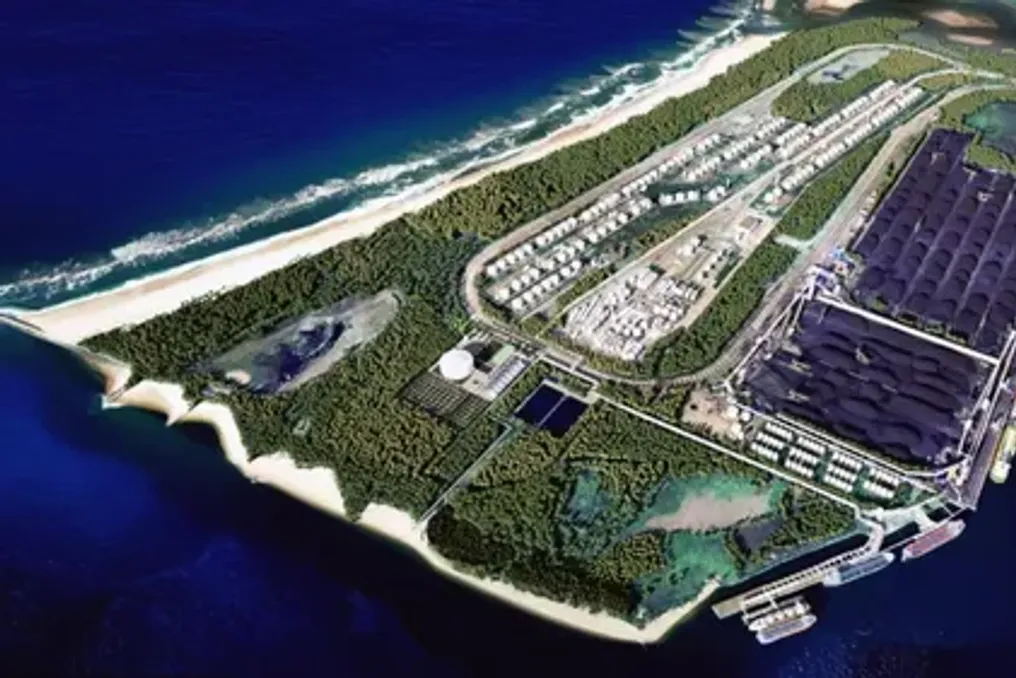
Richards Bay becomes a potential energy hub for Africa due to port infrastructure development
Read more
iol.co.za

Richards Bay becomes a potential energy hub for Africa due to port infrastructure development

The Port of Richards Bay has been designated for the construction of a liquefied natural gas (LNG) import terminal, which will include a floating storage unit. Experts believe that Richards Bay possesses unique conditions to ensure energy security, industrialization, and economic growth.

For a long time, Richards Bay has been recognized as one of Africa's most important ports, serving as a key export gateway for raw materials, finished products, and bulk goods. Despite past difficulties, the city is now on the threshold of greater opportunities, becoming a catalyst for achieving energy security, industrialization, and economic growth on the continent.

The role of the city should be viewed not only as a provincial development initiative but also as a strategic platform for enhancing national competitiveness and continental integration.

Strategic Location with Continental Significance

Richards Bay has several advantages that are hard to find in other African cities. Among them is one of the continent's largest deep-water ports, providing access to key regional markets, an existing industrial base, and direct links to major railway and road networks. These characteristics make it an ideal location for industrial and energy development.

The KwaZulu-Natal province is increasingly viewing Richards Bay as a central element of its long-term growth strategy, positioning the city as a national energy hub. It is capable of attracting investment in projects related to gas-to-energy conversion, renewable energy production, green hydrogen, energy storage systems, and LNG infrastructure.

The significance of this development extends beyond the province. As African economies grow and urbanize, reliable energy will become one of the continent's most important competitive advantages, and Richards Bay will play a central role in this. The immediate beneficiary will be KZN itself, as large investments in energy infrastructure stimulate construction, create jobs, and increase demand across various sectors.

This aligns perfectly with the provincial growth and development plan for KZN until 2035. One of the most interesting aspects of Richards Bay's development is its capacity to support industrialization. Historically, economic growth in Africa has often been limited by inadequate energy infrastructure. Access to affordable and reliable energy is a prerequisite for manufacturing, mineral processing, and petrochemicals.

The creation of LNG import facilities, liquid cargo terminals, fuel storage infrastructure, and gas distribution networks will form an industrial ecosystem capable of attracting significant domestic and international investment. This industrial agenda is consistent with South Africa's broader economic goals: increasing production capacity, reducing import dependence, and creating high-paying jobs.

For KZN, this could make Richards Bay the core of a wider development corridor, and for South Africa, it could help revitalize industrial competitiveness. For the entire continent, it could demonstrate how a port city can become a platform for energy-powered production and regional trade. The multiplier effect can be substantial: every major infrastructure project creates opportunities, and new industrial enterprises boost municipal revenue, foster skill development, and support secondary industries in Zululand and northern KZN.

Strengthening South Africa's Energy Security

South Africa faces a growing challenge known as the 'gas gap'. Existing gas reserves from the mature fields of Pande and Temane in Mozambique are expected to decline in the coming years, posing risks to industrial operations and energy-intensive sectors dependent on natural gas.

The planned LNG import infrastructure in Richards Bay could help address this issue by providing a new channel for importing, storing, and distributing natural gas among power producers and industrial consumers. This is not just an infrastructure project, but a strategic national asset.

Reliable gas supply can support the development of gas-fired power plants, including the proposed gas-to-energy conversion capacity in Richards Bay. Such developments can stabilize South Africa's energy supply, complementing the country's growing renewable energy capacity. By strengthening energy security, Richards Bay can boost investment confidence nationwide, allowing industries to expand production, create jobs, and improve competitiveness.

Beyond South Africa, Richards Bay has the potential to become one of Africa's most vital energy gateways. The continent continues to face a significant energy deficit, and many countries are seeking reliable access to affordable fuel and modern energy infrastructure. Richards Bay's strategic position on the Indian Ocean makes it a natural entry point for global LNG supplies and energy trade flows.

As trade expands within the African Continental Free Trade Area, ratified by 48 countries and valued at $450 billion by 2035, ports that efficiently facilitate the movement of energy products, industrial goods, and raw materials are becoming increasingly valuable. Richards Bay potentially could serve not only South Africa but also neighboring countries and developing regional markets.

Platform for Sustainable Growth

It is important to note that Richards Bay's future is not limited to traditional energy sources. The city's development plans may include renewable energy generation, green hydrogen production, and energy storage technologies. This opens up a powerful opportunity for South Africa to achieve a balanced energy transition that considers both energy security and economic growth while gradually developing cleaner industries.

Instead of choosing between development and sustainability, Richards Bay can demonstrate how these two aspects can advance in parallel.

Opportunities

The development of Richards Bay represents more than just a set of infrastructure projects. It is a strategic economic opportunity capable of transforming KwaZulu-Natal, strengthening South Africa's energy security, and preparing Africa for a more industrialized and prosperous future. With its world-class port, expanding energy infrastructure, growing investment portfolio, and strategic location, Richards Bay is becoming one of the continent's most crucial nodes of economic growth.

If successfully implemented, the city could become a model of how energy development, industrialization, and regional integration can work together to create jobs, attract investment, and ensure long-term prosperity for Africa. For KZN, Richards Bay is a growth engine; for South Africa, it is a vital artery; and for Africa, it is a gateway to the future.

Makoko's Story: The Life and Struggle of a Community on Lagos Lagoon, Known as the 'Venice of Africa'
Read more
www.aajtak.in

Makoko's Story: The Life and Struggle of a Community on Lagos Lagoon, Known as the 'Venice of Africa'

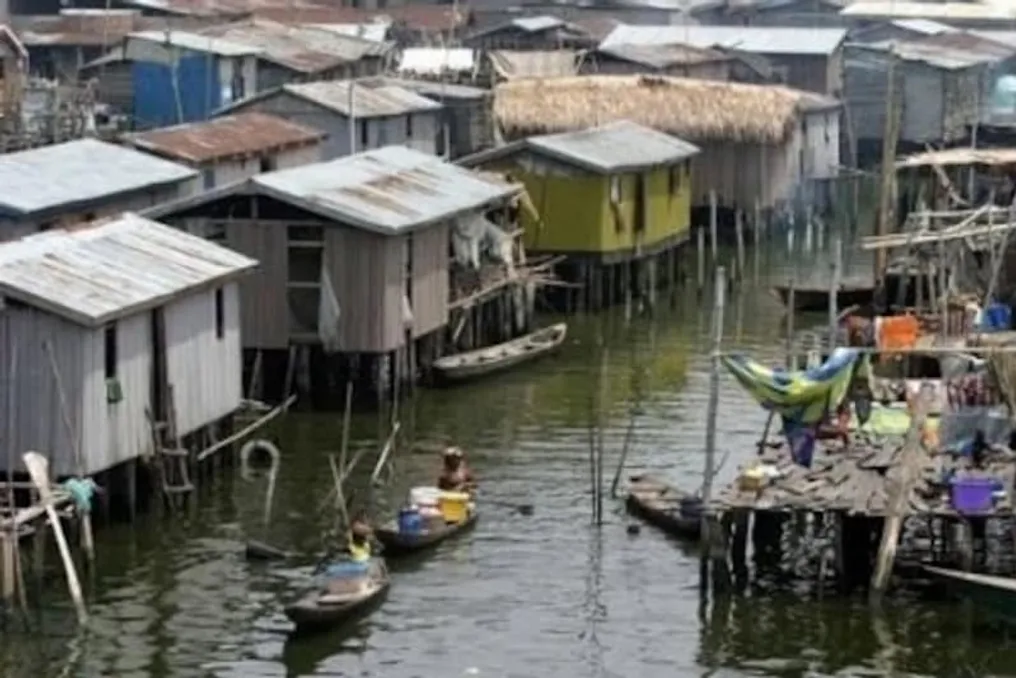
Imagine a place where water opens up instead of roads in the morning, and children need small wooden boats, not buses or bicycles, to get to school. In the Lagos Lagoon area, Nigeria's largest economic center, right beneath the famous Third Mainland Bridge, lies an amazing world that the whole world calls the 'Venice of Africa.'

This is Makoko—a settlement entirely built on wooden stilts over the water. Here, water serves as the road, and the boat is life itself, while the dwellings standing on these stilts constitute the entire human world. This settlement, located at the mouth of the Lagos Lagoon, has a history spanning about the 18th and 19th centuries.

It was originally founded by fishermen from the 'Egun' and 'Ijaw' tribes, who arrived from the Kingdom of Benin and the coastal areas of Nigeria. Approximately one-third of the settlement rests on oak stilts deeply submerged in the Atlantic Ocean. Millions of people live in this floating community, which possesses its own autonomous social structure governed by traditional local leaders.

Life in Makoko revolves around water and fish. Fishing is the main driver of the economy. In the morning, men go out onto the open water in large boats. When they return, women process the fish, selling it fresh or drying it in wooden crates for transport to local markets.

The lifestyle here is unique: women sell vegetables, fresh food, drinking water, and household goods on small boats. Shops, hairdressers, churches, and mosques are also located on the water. Children grow up here by swimming, mastering boat handling independently by the age of five or six.

Despite the community being self-sufficient despite acute resource shortages, a bitter truth lies behind this unusual splendor. A lack of basic amenities is acutely felt in Makoko. Studies show that piped clean water is available in only 10% of homes; the remaining 90% of the population must buy clean drinking water at high cost and transport it by boat. Since there is no sewage or waste disposal system, all waste flows directly into the lagoon, leading to water pollution and the prevalence of diseases such as diarrhea and malaria among children.

Initially, Makoko was a quiet and clean fishing village, but with Lagos' transformation into a metropolis, population pressure has sharply increased. Today, due to global warming, dangerous floods occur frequently here. On the other hand, due to its prestigious location, the settlement is threatened with demolition due to real estate and government programs. Thousands of residents have been forced to leave their homes as a result of demolition campaigns conducted in 2012 and recently in January 2026.

There are five important lessons to be drawn from this situation. Firstly, the art of building houses and floating structures on wooden stilts presents an excellent model for coastal cities worldwide struggling with sea-level rise and global warming. Secondly, the ability of an entire settlement to function autonomously and self-sufficiently for decades despite the lack of state aid and modern resources is an example of human will. Thirdly, without proper waste management and sewage systems, beautiful housing on the water can become a hotbed of serious diseases. The fourth lesson is that the children and residents of Makoko learn to cope with disasters and water from an early age, demonstrating that humans can find a way in any situation. Finally, demolishing traditional water communities for modern development is not a solution; they should be integrated into modern urban planning.

Despite all the difficulties, the residents of Makoko possess centuries of experience in harmonious coexistence with water. The 'Makoko Floating School,' designed by renowned architect Kunle Adeyemi, has become a revolutionary example of how tradition and modernity can create a safe foundation for the future.

Makoko is not just slums on wooden stilts; it is a living example of the human spirit that continues to smile even under adverse conditions. While the modern world fears rising sea levels, the residents of Makoko have lived for centuries considering water their friend. Now, the Nigerian government and the global community face a major question: will this unique aquatic culture be swallowed by the mad race for development, or will it be given the opportunity to live and thrive with respect?

Popular