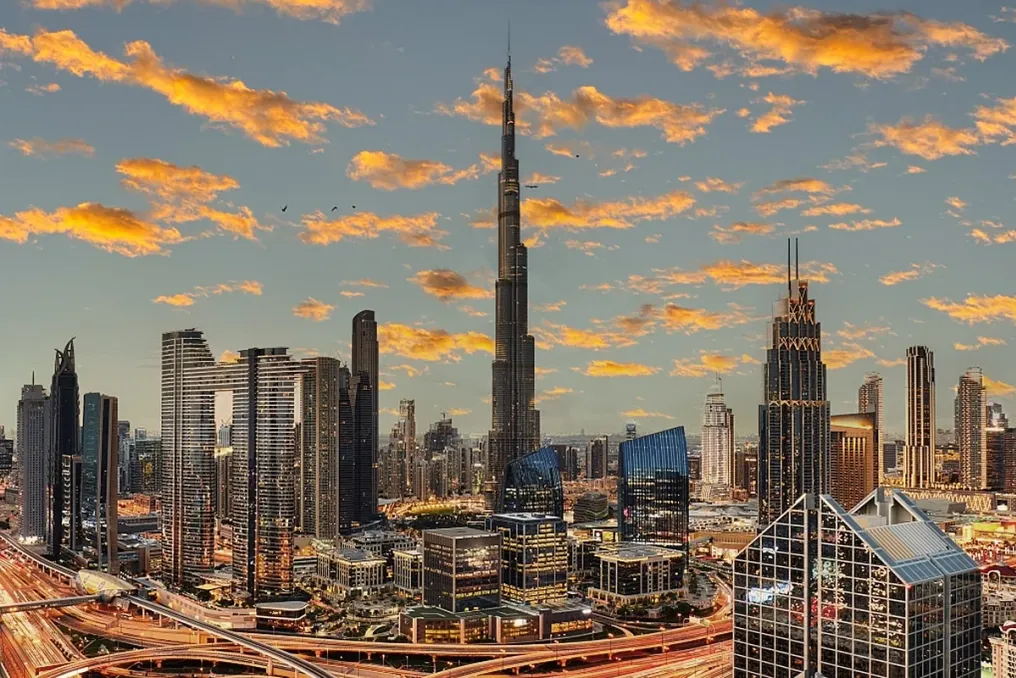
According to a UBS study, Dubai is one of the most affordable cities in the world for purchasing housing. On average, residents in Dubai require only five years of working at an average salary to buy a 60 square meter apartment near the city center. This period was among the shortest among 23 major cities included in the UBS Global Real Estate Bubble Index for 2026.
In comparison, buyers in Hong Kong, which is recognized as the least affordable market in this study, need about 15 years of average income to purchase a similar property, while in London, this period is 11 years. Residents of Tokyo, Paris, and Seoul will require more than ten years.
Dubai also ranks among the cheapest cities based on the price-to-rent ratio. UBS estimates that the rent for an apartment there should cover the purchase price in just 16 years, which is the shortest period recorded in the study, alongside Miami and São Paulo. Conversely, Zurich requires 46 years for investment return through rent, and Geneva requires 40 years.
After a growth period exceeding five years, real estate prices in Dubai have decreased in recent months, reflecting the maturity of the local market. Nevertheless, despite regional geopolitical conflict, the local market has shown resilience. Real house prices have returned to mid-2025 levels, and real rental costs have fallen below last year's level.
Despite some easing since March, UBS warns that the risk of a bubble 'remains elevated.' However, some industry leaders argue that the Dubai real estate market is still significantly more affordable compared to other major global cities, ruling out the possibility of a local bubble.
Annual figures show that real housing prices in Dubai grew modestly by 0.4 percent by the second quarter of 2026, while real rental costs decreased by 4% over the same period.
Globally, only Zurich and Tokyo were classified by UBS as cities with a 'high' bubble risk. Miami, Dubai, Seoul, Lisbon, and Geneva are in the 'elevated' risk zone. 'Low risk' was noted for London, Paris, New York, San Francisco, and São Paulo.
UBS notes that existing tenants are likely to take advantage of the pause in price growth and, in some cases, price concessions when buying housing. The report emphasizes: 'Despite high mortgage rates, Dubai remains one of the few markets where homeownership remains relatively attractive given the high cost of rent.'
The Swiss bank added that Dubai's 'structural advantages,' including its strategic location and status as an international business hub, 'remain unshaken,' and that an improvement in the geopolitical situation is likely to support a rapid recovery in market sentiment and price expectations.