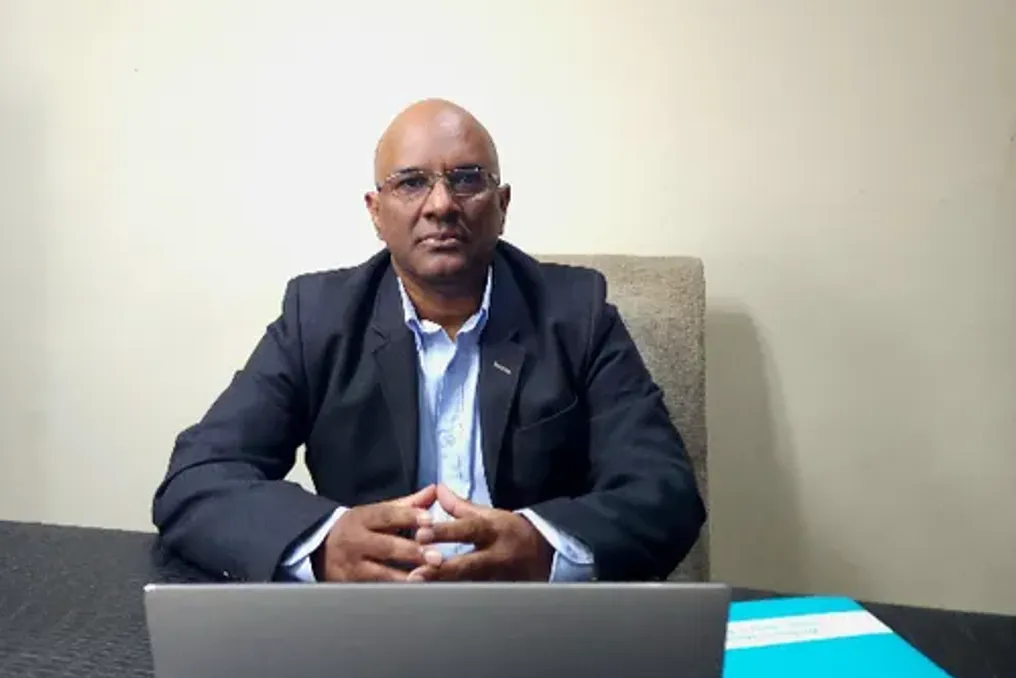
Professor Khemarling Govender of the University of KwaZulu-Natal (UKZN) has been appointed to a three-year position on the WHO-led Human Reproduction Program's Scientific and Technical Advisory Committee.
Govender, who serves as Director of Research in the Health Economics and HIV/AIDS Research Department (HEARD) at UKZN, will participate in the Human Reproduction Program's (HRP) Scientific and Technical Advisory Group (STAG) from 2027 to 2029. This program is overseen by organizations such as the United Nations Development Programme, the UN Population Fund, UNICEF, the World Health Organization, and the World Bank's Special Programme for Research, Development and Training in Human Reproduction.
This appointment recognizes Govender's more than two decades of experience in behavioral sciences, health systems, health policy, as well as research on HIV/AIDS and sexual and reproductive health. He has actively worked across Sub-Saharan Africa, providing technical and research support to governments, non-governmental organizations, multilateral agencies, and advocacy groups.
Comments from UKZN Leadership
The Executive Director for Corporate Relations, Dr. Norma Zondo, noted that Govender's appointment demonstrates the depth and international significance of the research conducted by the university. She emphasized that his knowledge will enable UKZN to participate in international discussions regarding research priorities that affect health systems, policy, and communities worldwide.
As a member of the advisory committee, Govender will assist in analyzing the scientific and technical work of HRP, advising on research directions and methodologies, and evaluating the quality, relevance, and potential impact of the program's activities. For Govender, this is an opportunity to ensure that global research priorities remain connected to the realities of communities in low- and middle-income countries, especially in Africa.
He stated that when setting research priorities, the life experiences of people affected by poverty, gender inequality, stigma, violence, and resource limitations must be taken into account. His scientific investigations focus not only on the effectiveness of medical interventions but also on their accessibility, economic viability, sustainability, and feasibility of implementation through existing health systems.
Furthermore, Govender aims to increase the recognition of data generated in low- and middle-income countries, asserting that African researchers and communities possess valuable knowledge and experience to contribute to global health research. His international experience includes collaboration with bodies such as the Joint United Nations AIDS Programme, UNICEF, the US Centers for Disease Control and Prevention, the Global Fund, and the Wellcome Trust. Dr. Zondo congratulated Govender, stating that this achievement brings honor to UKZN and opens a new path for the university's research expertise to contribute to global health challenges.