The WWF South Africa Black Rhino Range Expansion Program recently completed the transfer of twenty rhinos to Botswana and is pleased to report that the animals are successfully adapting to their new habitat. This operation effectively doubles the black rhino population in Botswana.
The WWF South Africa Black Rhino Range Expansion Program (BRREP) successfully relocated twenty black rhinos from KwaZulu-Natal to Botswana. The move took place in early September during a cross-border conservation operation that involved two 36-hour road trips to a remote and protected area where the animals can breed and form a new population.
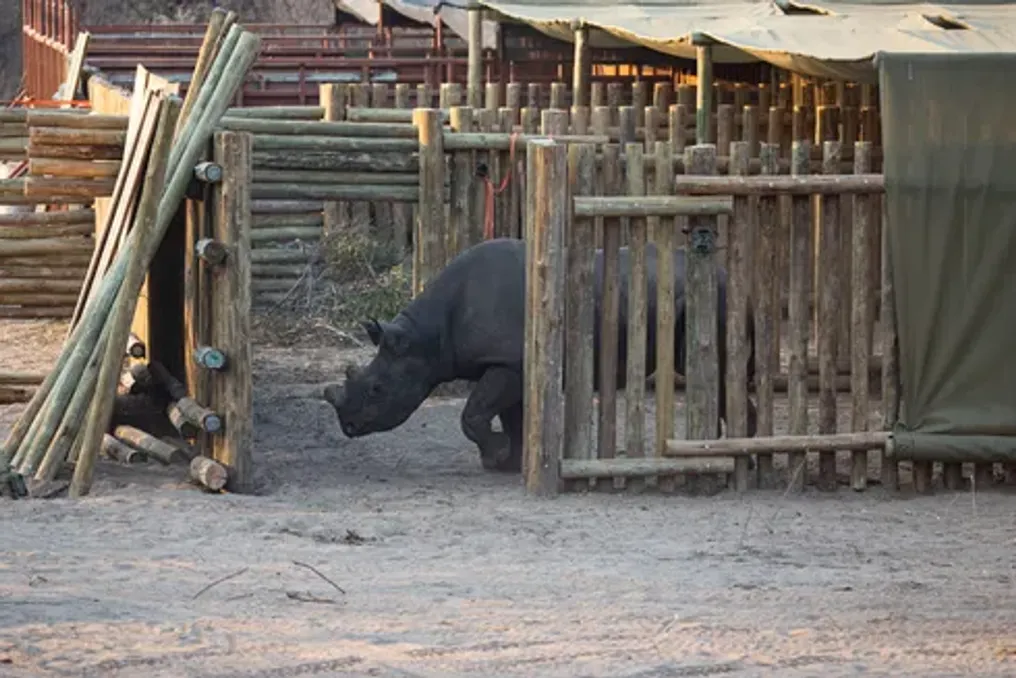
According to estimates by the International Rhino Foundation, after many years of pressure from poachers, especially in the Okavango Delta region, there were only about 25 black rhinos left in the country. The twenty transferred individuals were captured in KwaZulu-Natal in early June and kept in an enclosure during a quarantine period before being transported to their new home.
BRREP leader Jeff Cook reported that all twenty animals arrived safely and are settling in well. The operation in Botswana is the second cross-border transfer conducted by BRREP; the first such relocation occurred in 2019 when rhinos were moved to Liwonde National Park in Malawi.
Since 2003, the program has been moving groups of up to twenty rhinos to suitable areas for population recovery. The goal is territories of about 20,000 hectares or more to ensure enough space for populations to grow. Cook noted that finding sufficiently large areas with suitable habitats for black rhinos is becoming increasingly difficult, prompting the program to expand its activities across national borders.
He added that these newly established populations serve as incubators for a broader continental species recovery program and can support further local range expansion in other countries where black rhinos live. WWF South Africa Director General, Dr. Morne du Plessis, expressed gratitude to the governments of South Africa and Botswana, Ezemvelo KZN Wildlife, funding partners, donors, and the host site owners for their participation in this operation.
The organization emphasized that this initiative demonstrates the value of cooperation and coordinated conservation efforts in supporting the recovery of the black rhino population.