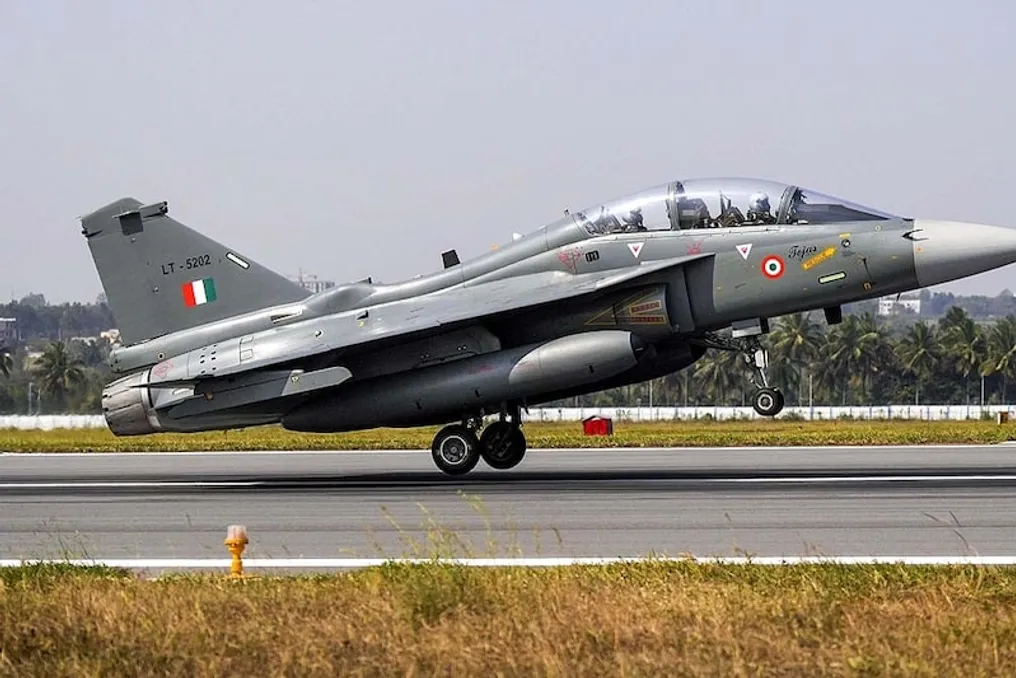
The Deputy Chief of the Indian Air Force, Air Marshal Ashutosh Dixit, provided important information regarding the current status of the indigenous LCA Tejas Mark 1A fighter jet. He stated that Hindustan Aeronautics Limited (HAL) has confirmed that the initial delay was due to the supply of engines from the USA.
The program faced setbacks due to engine shortages, but the engines have now been received and installed on the aircraft. Before inducting the fighters into the Air Force, thorough and comprehensive tests are being conducted. According to Marshal Dixit, only two or three minor issues remain to be resolved.
The LCA Tejas Mark 1A is a critical platform for the Indian Air Force, representing an advanced version of the Tejas family with numerous upgrades. Initially, production and testing suffered due to engine supply delays, but this issue has been resolved. Testing of the aircraft continues after the engines were installed.
The goal of these tests is to ensure that the fighters meet all operational requirements, with priority given to reliability and safety. The statement by the Deputy Chief of Air Staff indicates that technical difficulties have entered the final stage, and the remaining questions will be addressed shortly.
Once these points are rectified, the process of incorporating the aircraft into squadrons will begin. This is a positive signal for strengthening domestic defense manufacturing capabilities. The induction of the LCA Tejas Mark 1A will increase the combat potential of the Indian Air Force.
This fighter is equipped with modern avionics, improved radars, and weapon systems. Being indigenous, it simplifies maintenance and modernization. Reducing dependence on foreign supplies allows for control over long-term costs. The Air Force has long awaited this fighter to replace outdated models.
It is crucial to complete the testing process meticulously, and no deficiencies are being ignored. HAL and the IAF are working together to ensure the aircraft is commissioned in a fully ready state. The one-to-two-month timeframe is considered sufficient to resolve the remaining problems, after which production and delivery rates may accelerate.
This program is part of the 'Atmanirbhar Bharat' (Self-Reliant India) initiative. The successful introduction of the indigenous fighter will boost confidence in the defense sector. The Deputy Chief of Air Staff's statement clearly shows that the reasons for the delay are understood, and work is underway to eliminate them. It is expected that the aircraft will soon enter service after the completion of testing, marking a significant step in strengthening the combat capability of the Indian Air Force. All relevant agencies are working together to achieve this goal.