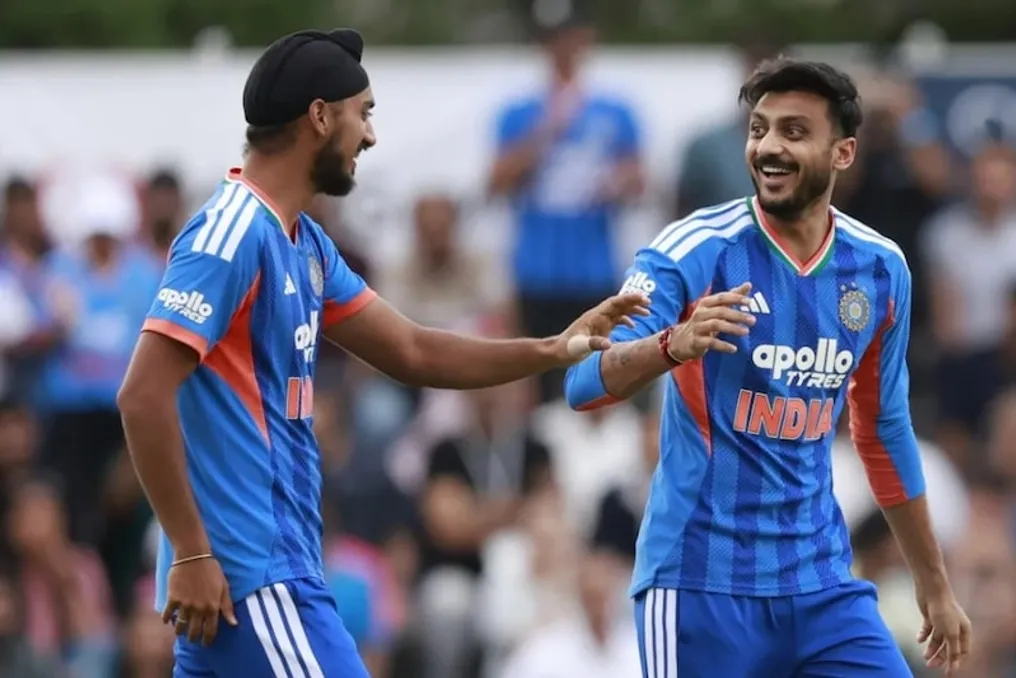
India defeated Japan in their only T20 International match, with a margin of just 2 runs. This match took place on September 22 at the Sano International Cricket Stadium in Sano.
Batting first, India scored 32 runs, losing 4 wickets in 5 overs. The Japanese team, chasing the target, managed only 30 runs, losing 3 wickets in the same 5 overs. With this victory, India became the first team in the world to win 200 men's T20 Internationals.
This was the first encounter between the two nations at the senior level. Although the match started about three hours later due to rain and wet pitch conditions, the number of overs was reduced to 5 per side. Even with such a short format, the target of 33 runs proved difficult, and the match outcome was decided by the last ball.
India's journey to 200 T20I victories (including super over wins) is as follows: the first victory was against South Africa in Johannesburg in 2006 (6 points); the 50th victory was against Sri Lanka in Colombo RPS in 2017 (7 points); the 100th victory was against West Indies in Calcutta in 2022 (8 points); the 150th victory was against Australia in Gross-Aylet in 2024 (24 points); and the 200th victory was achieved against Japan in Sano in 2026 (2 points).
When the Indian team came out first after the toss, the Japanese bowlers did not allow them to play freely at Sano. Due to the spin and extra bounce of the ball, Indian batsmen found it difficult to score runs. Captain Shreyas Iyer scored the most runs—16, making one quarter-century in his innings of 12 balls. Sanju Samson earned 9 runs off 7 balls. Charlie Hara-Hing from Japan demonstrated excellent bowling performance, taking two wickets; he prevented Abhishek Sharma from starting the game and also sent India's captain Shreyas Iyer to the pavilion.
Japan needed 33 runs, and it seemed achievable within five overs. However, the Indian bowlers prevented the Japanese batsmen from scoring any extras for every run scored. Akshar Patel and Washington Sundar led a very tense game. The Japanese team managed to score only two boundaries across all five overs. Washington Sundar played a key role in India's victory, taking 2 wickets. Japan needed 8 runs in the final over to win the match, but the Indian bowlers maintained pressure. Ultimately, Japan could only manage 30/3, and India secured the match.
The most exciting moment occurred in the final over. Alex Shiraie-Patmore attempted a reverse sweep against a ball bowled by Akshar Patel. The ball went towards the boundary line, and the field umpire ruled it a wide. This decision caused disagreement among the Indian players. Captain Shreyas Iyer discussed the situation with the square leg umpire, Chris Brown. Following this, both field umpires held a discussion, and the wide decision was changed. This change benefited India, as the Japanese team did not receive extra runs.