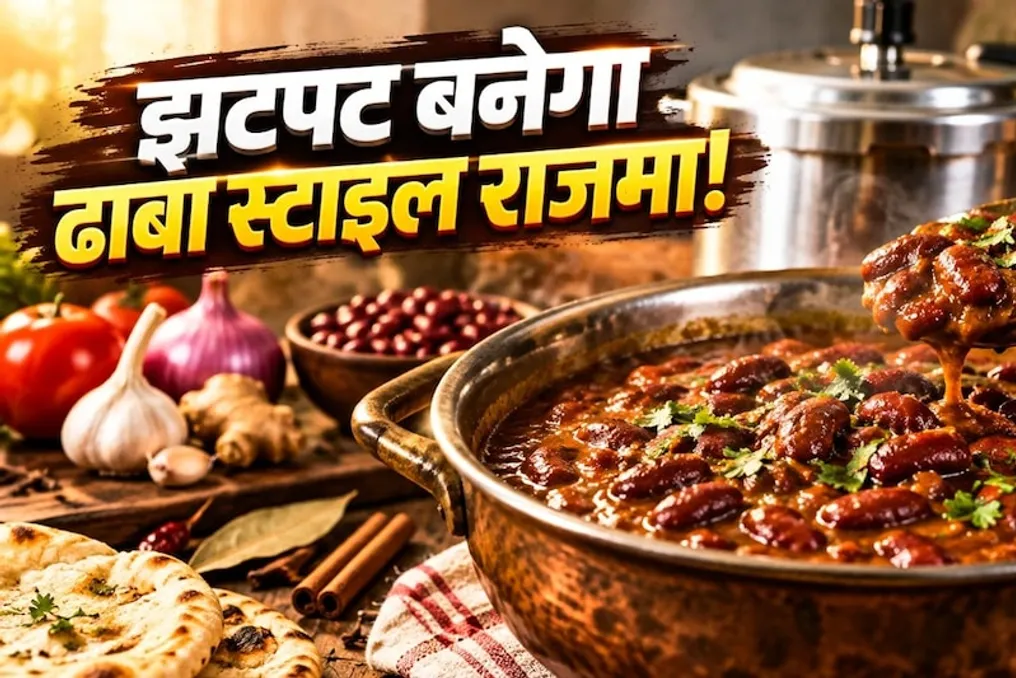
Simple recipe for thick rajma in a multicooker without frying onions and tomatoes
Read more
Aaj Tak
www.aajtak.in

Simple recipe for thick rajma in a multicooker without frying onions and tomatoes

When you hear the combination of rajma and rice, your mouth starts to water, but the long cooking process often makes people give up on their favorite dish. Usually, it requires chopping onions and tomatoes, then frying spices to prepare the sauce, and after that, waiting for the rajma to cook. Thus, to make a delicious and beloved rajma, you need to spend quite a bit of time in the kitchen.

But what if there is a way to cook rajma without preparing a separate sauce and without frying onions and tomatoes in oil? Today we will tell you about such a method of cooking rajma, where you won't need to fry the spices. All ingredients will be added directly into the kitchen appliance.

The feature is that although the method of cooking rajma has been changed, the taste will remain the same as in a cafe and will be approved by all family members. Let's find out what this method is.

Ingredients

The recipe lists the following components: aromatic spices, ground spices, and ingredients added at the end.

Cooking Method

First, thoroughly wash the rajma, which was soaked in water overnight, and place it in the pressure cooker. Then add chopped onions, tomatoes with cuts, garlic cloves, grated ginger, and green chili.

Next, add all whole spices, such as cumin, large cardamom, bay leaf, green cardamom, cloves, and cinnamon. You also need to add Kashmiri red pepper powder, coriander powder, turmeric, garam masala, and salt.

Now add 3-4 tablespoons of ghee and about 3 cups of water, mix all ingredients well, and close the pressure cooker lid. There is no need to preheat the oil and fry the spices or prepare a sauce from onions and tomatoes.

Cook over medium heat for about 4-5 whistles (signals). After that, turn off the gas and allow the pressure in the pressure cooker to release naturally.

As soon as the pressure completely drops, open the lid. Carefully remove the tomatoes with tongs and peel them. Then mash the tomatoes thoroughly and return them to the pressure cooker, mixing well with all the remaining rajma.

After that, cook in the pressure cooker without the lid over medium heat for about 10-15 minutes. This will allow the rajma sauce to thicken, and the flavors of all the spices to fully blend.

Finally, add fried methi, finely chopped fresh herbs, and one tablespoon of ghee, mix. The ready hot, thick, and spicy rajma is ready. It is served with jeera rice, sprinkled with a little fresh herbs on top.

Similar stories

How to make clean and delicious Mawa Modak from dry grain at home, avoiding expensive and fake sweets
Read more
www.aajtak.in

How to make clean and delicious Mawa Modak from dry grain at home, avoiding expensive and fake sweets

During the sacred festival of Ganesh Chaturthi, it is customary to offer worship to Lord Ganesha using modaks. However, during the festive season, there are concerns about impurities and adulterated mawa in the sweets sold in the market. Instead of buying expensive and counterfeit sweets to welcome Bappa, it is recommended to prepare crispy and aromatic Mawa Modaks from regular dry grain that you have at home.

Thanks to the outer shell made of high-quality coarse dry grain and the rich filling of mawa and nuts, the taste of these modaks becomes so delightful that they will win the hearts of everyone who receives them as prasad for Bappa.

For the outer shell: 1 cup of fine dry grain, 1.5 cups of milk, 1 tablespoon of ghee, 1/2 teaspoon of cardamom powder, 2 tablespoons of crushed sugar.

For the filling: 1/2 cup of mawa (khoya), 2 tablespoons of grated coconut, 2 tablespoons of cashew and almonds (finely chopped), 1 teaspoon of chirunji, a pinch of nutmeg and cardamom powder, 2–3 tablespoons of crushed sugar.

First, sauté the mawa in a pan over low heat for 2–3 minutes until light pink. Then add the chopped cashews, almonds, chirunji, grated coconut, nutmeg, and cardamom powder, after which turn off the gas. When the mixture cools slightly, add the crushed sugar and set aside.

In a pot, bring 1.5 cups of milk, 1 teaspoon of ghee, and 2 tablespoons of crushed sugar to a boil. Then reduce the heat and gradually, stirring constantly, add the dry grain to avoid lumps. Continue stirring until the grain has completely absorbed the milk and the mass starts to pull away from the sides of the pot. Turn off the gas and cover the dry grain with a lid for 5 minutes to steam well.

When the dry grain is slightly warm, knead it by hand for 2 minutes, lubricating your hands with a small amount of ghee, until it resembles dough. Lightly grease the modak molds with ghee. Place a small amount of the dry grain mixture on both sides of the mold and form an indentation in the center with a finger. Then, place the prepared mawa and nut filling into this central hollow, and cover it with a small amount of the dry grain mixture, sealing the mold from below. After removing the mold, you get a beautiful, clean, and delicious Suji Mawa Modak. Similarly, prepare all other modaks and offer them to Bappa.

Rajasthani Curry Recipe: Making Lentil Phakoda Without Frying and Chickpea Flour
Read more
www.aajtak.in

Rajasthani Curry Recipe: Making Lentil Phakoda Without Frying and Chickpea Flour

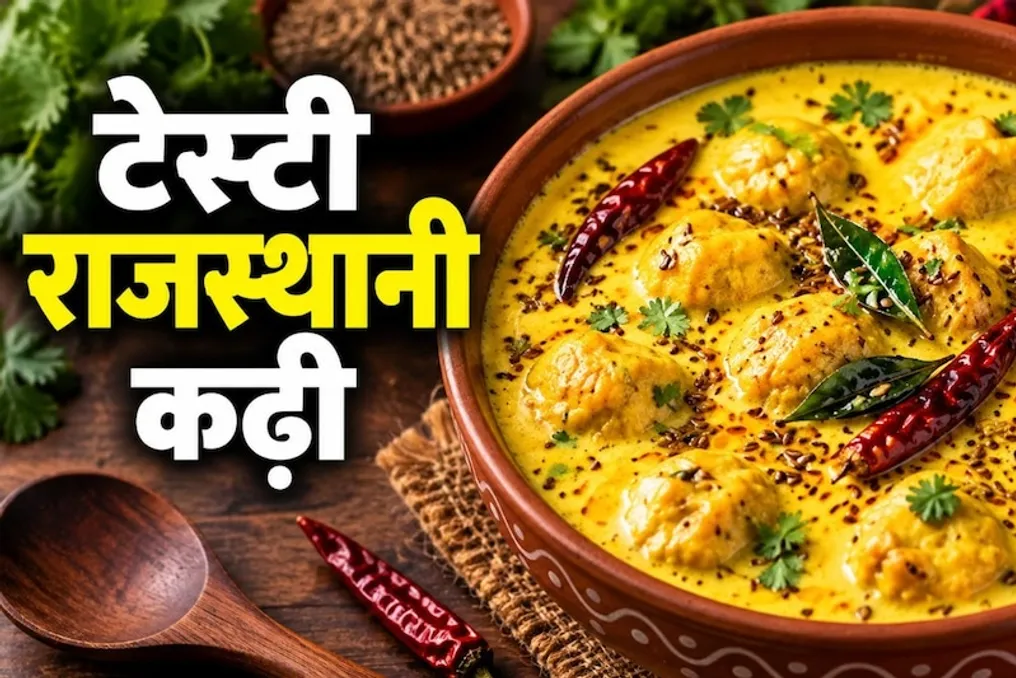
Although many have tried various types of curry phakoda, few are familiar with Rajasthani curry made from lentils. This recipe does not require deep frying; instead, the lentil phakoda is cooked directly in the boiling curry. We will present a simple way to prepare Rajasthani lentil curry phakoda.

Curry is an important part of Indian cuisine and is prepared differently in various regions. Usually, phakoda for curry is made from chickpea flour, but in Rajasthan, a different approach is used—phakoda is made from lentils. The main feature is that these phakodas are not fried separately but are boiled directly in the simmering curry. Because of this, the phakodas absorb the tangy flavor of the curry and the aromas of the spices excellently, becoming very soft.

This Rajasthani dish is served with curry rice, flatbreads, or hot puris. Although some preliminary preparation is required for its making, its taste is sure to please.

For the Phakoda

Ingredients needed for the phakoda:

  • 1 cup of washed lentils
  • ½ teaspoon of salt
  • ¼ teaspoon of hing (asafoetida)
  • Water as needed

For the Curry

Ingredients for the curry:

  • 1 cup of yogurt
  • 4 cups of water
  • 2 tablespoons of ghee
  • ¼ teaspoon of fennel seeds
  • 10–15 black peppercorns
  • 3 cloves
  • 1 stick of cinnamon
  • ½ teaspoon of sesame seeds
  • ½ teaspoon of cumin seeds
  • 2 curry leaves
  • 10–12 curry leaves
  • 2 green chilies
  • 2 medium onions
  • ¼ teaspoon of turmeric powder
  • ¼ teaspoon of hing
  • 1 teaspoon of Kashmiri red chili powder
  • ½ cup of water
  • Salt to taste

For the Tempering (Tadka)

Ingredients for the tempering:

  • 2 tablespoons of ghee
  • 3–4 cloves of garlic
  • A little ginger
  • 3 dried red chilies
  • ½ teaspoon of red chili powder
  • A little fresh coriander

First, the lentils should be thoroughly washed with clean water 4-5 times. Then, soak the lentils in water for about 2 hours; if you want to speed up the process, you can use slightly warm water. After the lentils have swelled well, drain the water and place them in a blender. When blending, do not add too much water at once; first, add 1 tablespoon of water and gradually add a little more as needed. The lentils should become thick and smooth. It may take 4 to 5 tablespoons of water to blend, but this depends on the lentils themselves.

Transfer the blended lentils to a bowl, add ½ teaspoon of salt and ¼ teaspoon of hing. Then, knead this mixture thoroughly for 3-4 minutes to make the dough lighter and airier. To check the readiness of the dough, take a small amount of the mixture in water; if the dough starts floating on the water surface, it means it has been kneaded well.

To make the curry, mix 1 cup of yogurt and 4 cups of water in a bowl, whisking them thoroughly. Ready-made buttermilk (chaach) can also be used.

Heat 2 tablespoons of ghee in a pot. Add fennel seeds, black pepper, cloves, cinnamon, sesame seeds, cumin seeds, and curry leaves. Then add the curry leaves and finely chopped green chilies. Next, add the chopped onion and sauté it lightly without browning it too much. Add turmeric, hing, and Kashmiri red chili powder, and mix. Pour in ½ cup of water and let the spices cook well.

When the spices are fully cooked and the oil starts separating, pour in the prepared yogurt mixture. Stir constantly while adding, as it must be stirred continuously until the curry boils, otherwise, the yogurt may curdle. Salt should not be added at this stage.

After the curry boils well, reduce the heat but continue to simmer the curry. Now, form small phakodas from the lentil dough by slightly moistening your hands, and drop them directly into the boiling curry. A spoon can also be used to add the phakodas. Do not make the phakodas too large, as they expand after cooking. The curry should not stop boiling when adding the phakodas. Cook the phakodas in the curry for about 4-5 minutes. After this, add 1 teaspoon of salt and reduce the heat to medium-low.

Continue to cook the curry for another 15 minutes. During this time, the phakodas will be completely cooked, and the curry will thicken slightly.

To give the curry extra flavor, heat 2 tablespoons of ghee in a small pan. Sauté the sliced garlic until golden brown. Then add the finely chopped ginger and 3 dried red chilies. Finally, add ½ teaspoon of red chili powder and turn off the gas. Immediately pour this tempering over the curry. Add a little curry broth to the tempering pan and pour it into the pot. Cover the curry and let it sit for 5 minutes so that the flavor of the tempering fully penetrates the curry.

Finally, sprinkle with fresh coriander on top. If you did not use whole spices, you can add a little garam masala.

Recipe for soft Kubcha in Daba style on a frying pan
Read more
www.aajtak.in

Recipe for soft Kubcha in Daba style on a frying pan

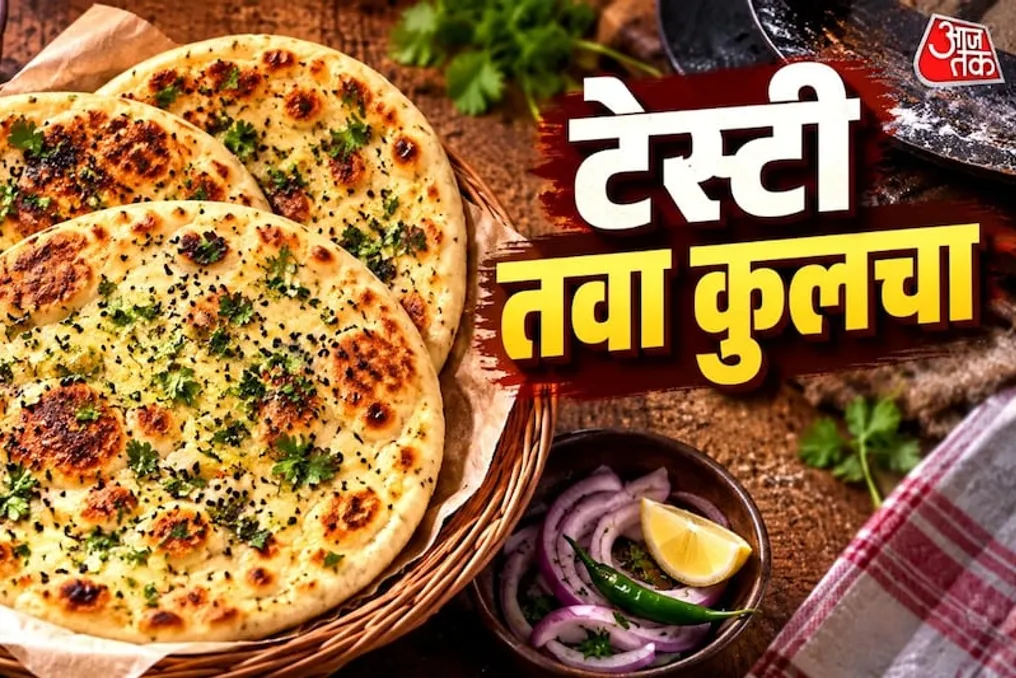
If you want to cook something new and delicious for breakfast or lunch, you can try Tawa Kubcha. Its preparation requires flour, milk, yeast, and some other common ingredients. This kubcha, cooked on a frying pan, turns out slightly golden on the outside and soft inside.

If you are tired of eating roti and paratha every day and want to cook something special in the Daba style at home, Tawa Kubcha can be the best option. It has a golden, crispy appearance and an incredibly soft, cotton-like texture, making it very tasty. People often think that soft and fluffy kubchas can only be made in a tandoor, but by using the right method, you can achieve a restaurant-quality result on a regular home frying pan. It can be served with Amritsari Chhole, Chana Masala, or any other favorite vegetable dish.

First, mix the yeast and sugar in warm water and let it stand for 5 to 10 minutes. When foam appears on the surface, it means the yeast is ready. Then, add the flour, warm milk, and salt to this mixture, thoroughly mixing all components. This dough needs to be kneaded for about 5 minutes, then covered and left for some time. After that, the dough needs to be kneaded again until it becomes soft and pliable. Initially, the dough may seem a bit sticky, but after thorough kneading, it will become soft.

When kneading the dough, stretch and spread it without applying excessive pressure. Then, apply a little oil to the dough and cover it with a cloth to rise. Leave the dough until it has doubled in size. When the dough has risen and doubled, gently press it to release the air and knead it for another 1-2 minutes. After that, place the dough in the refrigerator for a while to allow it to rise slowly.

Next, take a piece of dough the size of a tennis ball and flatten it slightly. Dusting it with dry flour, roll it into a thick round or oval shape. Heat the frying pan and place the kubcha on it. Cover it and cook over medium or low heat. When bubbles appear on the top surface of the kubcha, flip it over. Brush it with oil on top and fry on both sides until golden spots appear. After it is well cooked on both sides, serve it hot.

Tawa Kubcha can be served with chhole, chana masala, yogurt, or any other favorite vegetable appetizer.

Popular