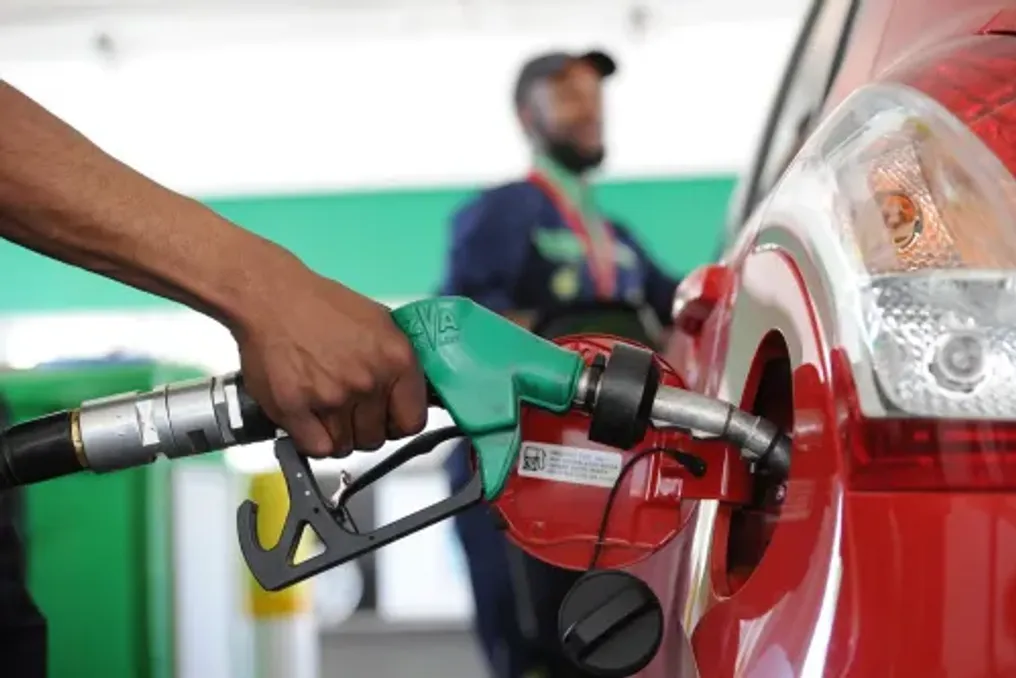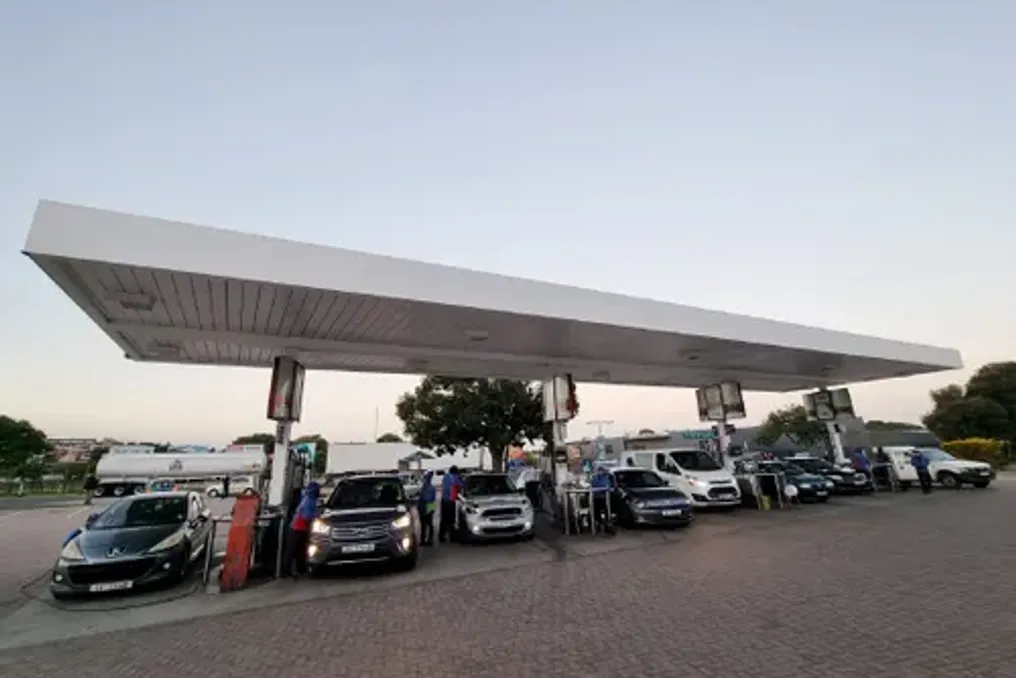
Fuel price issues in South Africa may prove more serious than initially anticipated, as significant shortfalls in revenue from gasoline and diesel fuel worsen forecasts daily.
According to the latest daily report from the Central Energy Fund, a rise in gasoline prices is expected: for 95 octane gasoline, it will be from 2.83 South African Rand, and for 93 octane, from 2.66 Rand. Diesel fuel prices are also expected to increase: an increase of 2.60 Rand is anticipated for 500 ppm, and from 3.01 Rand for cleaner fuel at 50 ppm.
These projected increases will lead prices to reach record levels across all segments. 95 Unleaded gasoline is expected to reach 28.88 Rand on the coast and 29.75 Rand in Gauteng, while 93 Unleaded gasoline is set to rise to approximately 29.42 Rand. The wholesale price of 500 ppm diesel fuel is forecast to reach about 30.83 Rand on the coast and 31.71 Rand inland.
These forecasts significantly exceed last week's figures, when a gasoline price increase of approximately 2.40 Rand and a diesel fuel increase of 2.04 to 2.40 Rand were predicted. These new hikes follow sharp adjustments in September, when both grades of gasoline increased by 1.34 Rand per liter, and diesel fuel rose by 2.94–3.15 Rand.
Additional pressure on fuel prices in October may come from the 'Slate Levy,' which compensates oil companies for previous month's fluctuations.
Oil Prices Remain High
The main reason for these upcoming increases is high international oil prices. Last week, the Brent crude price reached a four-month high of $108 per barrel following heightened tensions in the Middle East, particularly after new attacks by Iran-based militants on Saudi Arabian infrastructure.
Since then, the Brent price has dropped to about $101 per barrel as Saudi Arabia redirected exports to eastern terminals in the Persian Gulf. However, this has had little impact on the significant revenue shortfalls occurring in global fuel markets. Markets are currently anticipating possible negotiations between the US and Iran at the UN General Assembly, and the prospect of such talks could reduce some of the risk premium embedded in crude oil prices.