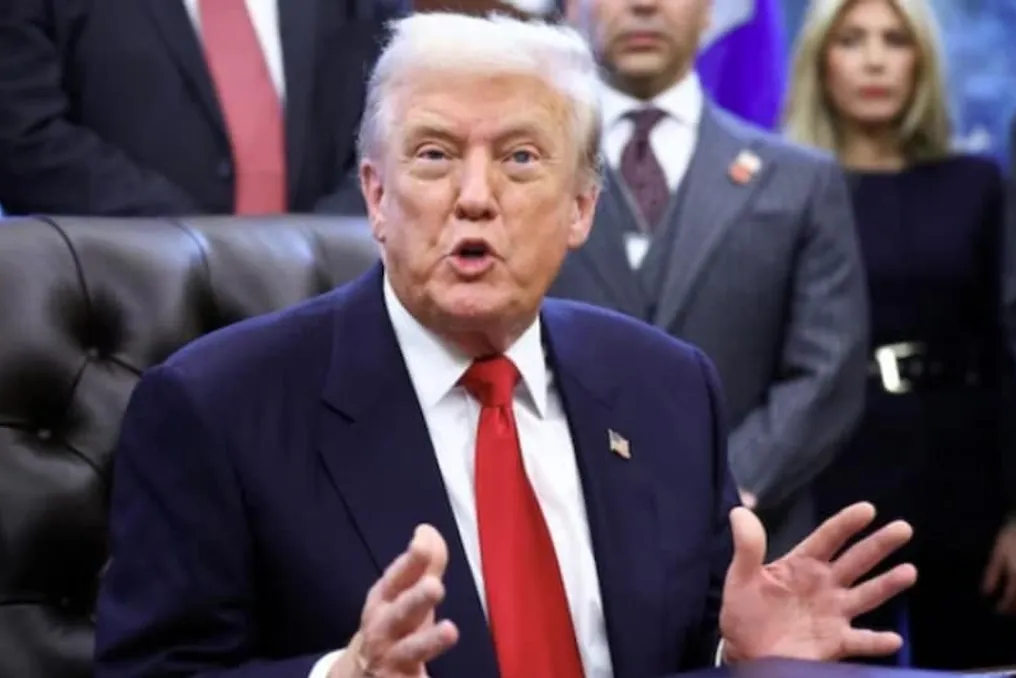
Although the US is not directly threatening India with tariffs, India's friendship with Russia and good relations with Iran constantly raise concerns for the American side. Various measures are being taken to contain India. This month, the 'Lindsey O. Graham Sanctioning Russia and Iran Act' was passed in the US Congress and signed by President Donald Trump.
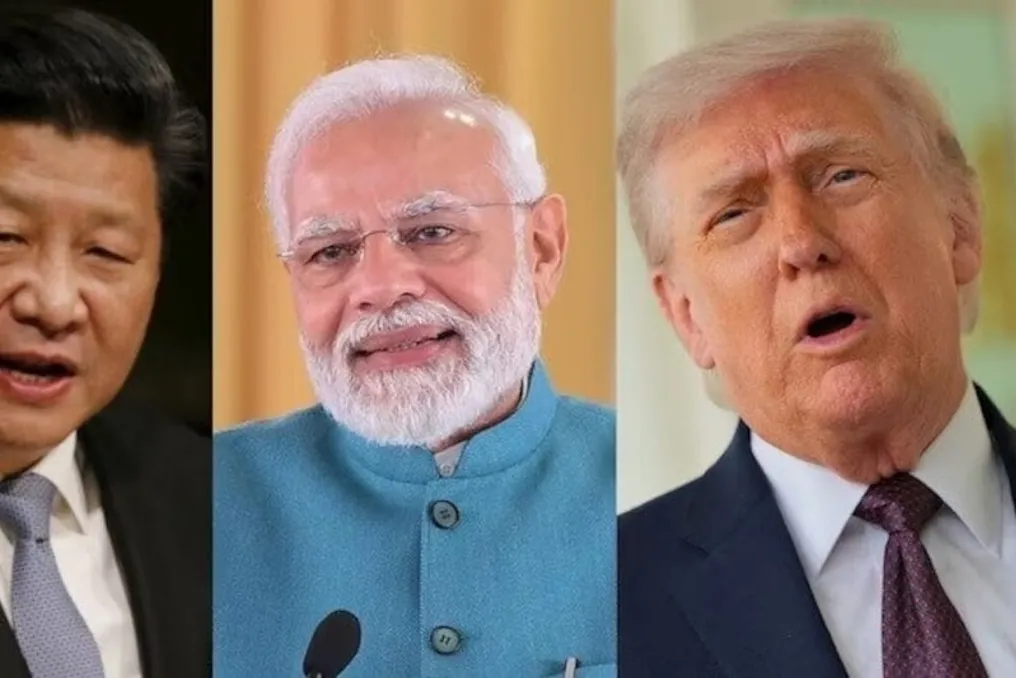
This law grants the US administration the right to impose tariffs of up to 100% on countries purchasing Russian oil. According to experts, the main targets of this act are India and China. The question arises whether this step is solely related to policy towards Russia and Ukraine, or if it is backed by a US strategy to curb India's economic growth.
History shows that whenever the US faces economic competition, it does not shy away from applying pressure. In 2001, the George W. Bush administration lifted US sanctions on India after nuclear tests in Pokhran in 1998. Now, exactly 25 years later, the US is again seeking to pressure India through tariffs, this time because of India's purchase of crude oil at preferential prices from Russia.
Experts note that one of the main reasons for the US hardline stance is the fear that India could become the next Asian economic leader challenging the US globally. In March of this year, US Under Secretary of State Christopher Landau stated that 'the US will not repeat the mistake it made with India 20 years ago.'
Indeed, in the 1970s and 1990s, the US opened almost all major world markets to China, provided technological assistance, and facilitated Western investment. The result was that China's economy, which accounted for only 7% ($191 billion) of the US economy in 1980, grew to $19.5 trillion by 2025, while the US GDP stands at $30.8 trillion. Furthermore, China's share of global production grew from 3% in 1990 to 31.8% in 2023, while the US share declined.
The US expected China to democratize after enrichment, but China turned into a strong economic and military rival. Experts believe that this experience prompted the cautious US to adopt an extremely strict policy towards India.
Despite the US expecting complete loyalty from its allies, India's foreign policy has always been based on the principle of 'strategic autonomy.' India purchases military equipment from the US, Rafale fighters from France, crude oil from Russia, and electronics from China, based on its national needs.
According to India's ambassador to the US, Vineet Mohan Kwatra, energy is a fundamental strategic need for 1.4 billion Indians, and India employs a comprehensive strategy to meet these needs, as over 85% of its crude oil requirement is imported. In July 2026, Russia accounted for about 52% of India's total oil imports, and India's clear position is that energy security and affordable prices for its citizens are the highest priorities.
It should be noted that even after the nuclear tests in 1998, the US imposed strict restrictions on India, banning military sales, technology transfer, and lending. However, India managed to overcome this crisis thanks to its strong domestic economy and maintained its strategic autonomy. Later, in 2001, the US was forced to lift these restrictions, and in 2008, a historic peaceful atom agreement was reached between the two countries.
In light of this, the US attempt to stop India from buying oil from Russia by threatening a 100% tariff could cause tension in bilateral relations. Foreign policy experts believe that the US must realize that attempts to suppress India or limit its economic growth will prove unsuccessful. The India-US partnership can remain strong only if it is based on mutual interests and respect, not unilateral pressure. India will move forward without sacrificing its energy security and economic development.