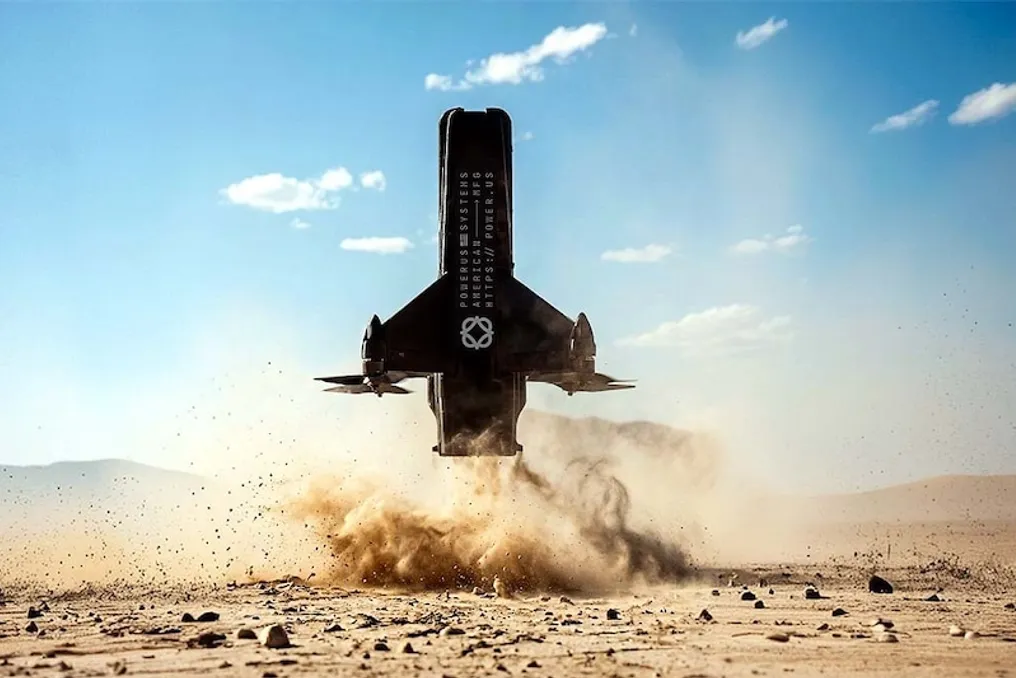
The Indian company Paras Defence and Space Technologies Limited has entered into a significant agreement with Tandem Defense LLC, a subsidiary of the American corporation Autonomous Power Corporation (Powerus). According to this intellectual property licensing agreement, signed on June 30, 2026, Paras Defence has acquired the rights to the Guardian-1 interceptor technology. This move is viewed as a major strengthening of drone countermeasures capabilities in India.
Under this contract, Powerus granted Paras Defence exclusive, non-transferable, and non-sublicensable rights to use the patented intellectual property within India. Paras Defence will be responsible for the production and commercialization of this technology domestically.
The Guardian-1 interceptor is a high-speed, battery-operated anti-drone system designed to combat inexpensive unmanned aerial vehicles that pose an air threat. As the use of drones increases in modern warfare, the demand for such systems is rapidly growing.
The agreement itself is set for 12 months but can be extended by mutual consent. Paras Defence assumes responsibility for manufacturing and bringing this system to the Indian market. This action aligns with the government's policy to promote localization in the defense sector.
Attracting foreign technology through licensing and initiating local production can contribute to achieving self-sufficiency. This will not only ensure the transfer of technical knowledge but also strengthen local supply chains and create jobs.
A key feature of the Guardian-1 system is its high speed and autonomous battery operation. This system is intended to counter low-cost drones, which have become a serious problem for security forces currently. Such systems can play a critical role in border defense and protecting strategically important assets. The involvement of a company like Paras Defence in this technology is a positive signal for the Indian defense industry.
The agreement with India was concluded in June, after which Powerus's connection to Pakistan became known in September 2026. Powerus signed a memorandum of understanding with the Pakistani military and received a preliminary order for unmanned aerial systems. Details of this order, including cost and equipment, were not disclosed.
There is a clear temporal gap between the two agreements: the specific licensing agreement with India occurred earlier, while the link with Pakistan became public later. This sequence of events demonstrates the growing global demand for anti-drone and UAV technologies. Concluding different agreements in different countries may be part of a broader commercial strategy.
It is crucial for the Indian side that the exclusive rights to the Guardian-1 technology remain with Paras Defence in India. This will help ensure domestic production and supply. This agreement is highly significant for the Indian defense industry as it strengthens the 'Make in India' campaign by incorporating foreign technology and starting local manufacturing.
Given the rising number of drone threats, the need for anti-drone systems is constantly increasing. Companies like Paras Defence are playing an active role in this area. The success of the deal will depend on production capacity, quality control, and market demand. Overall, this deal is a step forward for both India's security and industrial capabilities.