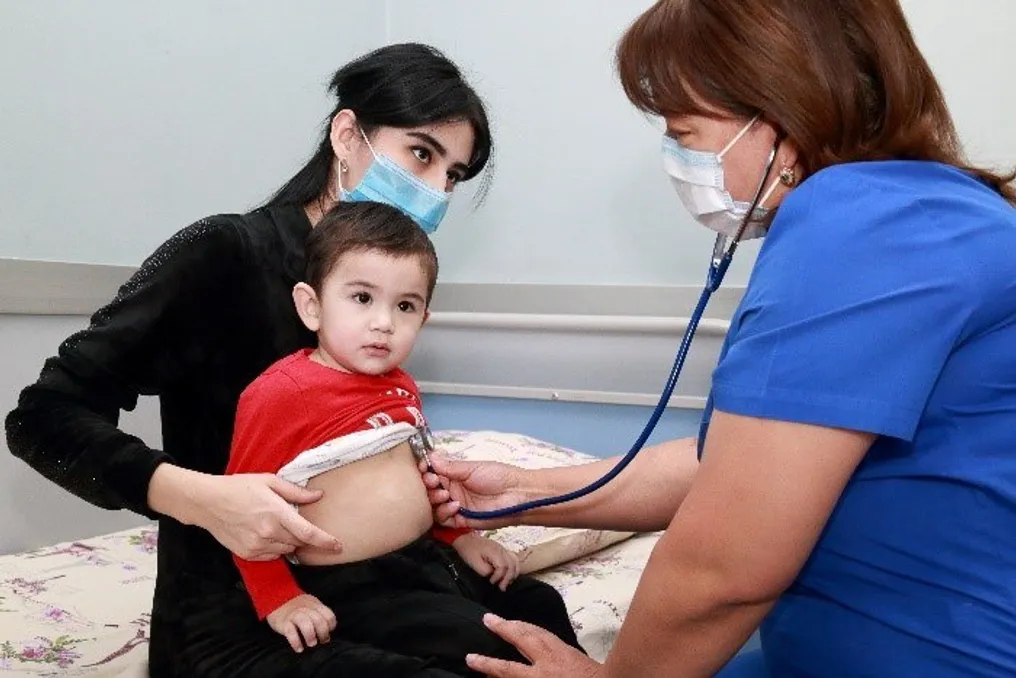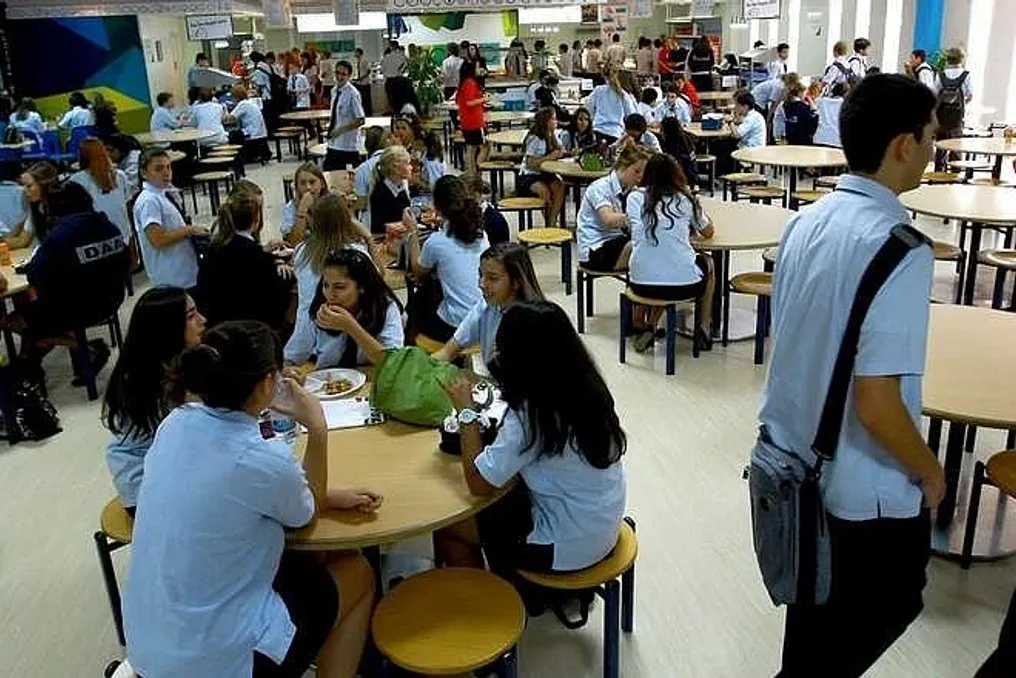
Parents across the United Arab Emirates (UAE) are strongly urged to keep children home if they develop symptoms similar to the flu. Some educational institutions have reported cases of influenza across different age groups and reminded families about infection prevention measures.
The messages sent to parents require monitoring children for signs such as fever, cough, sore throat, runny or stuffy nose, muscle aches, and fatigue. Some children may also experience vomiting or diarrhea.
Schools emphasize that students with flu symptoms must stay home and avoid contact with other students until their temperature has been normal for at least 24 hours without the use of antipyretics like paracetamol or ibuprofen.
These reminders align with how doctors in the country are addressing the issue of respiratory infections among children following the start of the school year.
A recent circular from one of the schools, distributed to parents, reported the registration of flu cases 'at various levels of education' and asked families to closely monitor their children for symptoms. It also highlighted the importance of keeping symptomatic children out of school until they are fever-free for 24 hours without medication.
Dr. Bassem Shamsuddin, a pediatric specialist from Mubadala Health Dubai, noted that the return-to-school period is often accompanied by an increase in respiratory illnesses, with the first wave of Influenza A infections already observed this year. He explained that the main signs of the flu include high fever, often accompanied by nasal congestion, followed by cough and sore throat. Children may also experience fatigue, body aches, headache, and loss of appetite.
According to him, the illness can last up to seven to ten days, although cough and weakness may persist longer. Dr. Shamsuddin added that antiviral medication is available for children with confirmed or highly suspected flu, which can shorten the duration and reduce the severity of the illness, especially if started early. He specifically stressed the need to consider antiviral therapy for children at increased risk of complications, including those with chronic respiratory conditions such as asthma, advising parents to discuss this with a pediatrician.
Regarding when it is safe to send a child back to school, doctors assert that the period of being fever-free is a critical element in preventing further viral spread.
Dr. Sameh Abdelazim Mohamed, Head of Pediatrics and Pediatric Consultant at NMC Royal Hospital Abu Dhabi, stated that children can remain contagious even after some symptoms improve. He explained that the virus can still be transmitted to classmates through respiratory droplets when coughing or sneezing, or through direct contact. With the flu, children may continue shedding the virus for several days after the onset of the illness, often longer than adults, so returning to school too early puts other children at risk.
He also emphasized that protection starts at home, and a healthy diet with good hydration supports children's health. Dr. Mohamed recommended getting the seasonal flu vaccination annually, as it remains one of the most effective ways to protect children.
Dr. Jadir Akkaparambil, an internal medicine specialist at Medcare Shaikh Saqr Al Qasimi Hospital, noted that vaccination is particularly important for groups such as 'young children, the elderly, pregnant women, and people with conditions like asthma, diabetes, and heart or lung diseases.' He added that healthcare workers or those who regularly care for vulnerable individuals may also be recommended vaccination. He advised always following local health guidelines and consulting a healthcare professional if there are any doubts, as recommendations may vary depending on the country and individual circumstances.
Meanwhile, Mohamed urged parents to reinforce basic hygiene habits at home, including regular handwashing and covering the mouth and nose when coughing or sneezing. He reminded them that children need to learn to protect others when they are sick and to protect themselves by staying away from sick friends. When one child is ill, they should be kept separate from siblings as much as possible, and towels, cups, or cutlery should not be shared to limit household spread. Parents should seek medical attention if a child develops a high fever, difficulty breathing, refusal to eat or drink, or appears unusually tired and lethargic.