
Rules for term deposits will change from October 1st: what changes will affect interest rates?
Read more
Aaj Tak
www.aajtak.in

Rules for term deposits will change from October 1st: what changes will affect interest rates?

As is customary at the beginning of each month, October will bring several significant changes to bank term deposits in the country. The Reserve Bank of India plans to amend the FD rules, after which new provisions on term deposits, including updates regarding FD interest rates, will come into effect.

The new rules for term deposits, which will take effect from October 1, 2026, primarily affect large deposits or bulk deposits (Bulk FD Deposit), meaning deposits of 30 million rupees or more. According to the amendments approved by the RBI, banks will be entitled to set differentiated interest rates for large deposits, taking into account differential outflow rates applicable to deposits or unsecured bulk deposits within the LCR structure.

Furthermore, while changing the rules for term deposit interest rates, the RBI aims to provide banks with greater flexibility in determining rates. Starting from October 1st, banks are now required to publish the interest rates offered on their websites, including for bulk deposits. Interest rates for bulk deposits must be updated daily at 10:00 AM on the bank's website, with an additional buffer of 10 minutes, and the announcement must be made no later than 10:10 AM.

The Central Bank has also instructed banks to provide the same interest rate for a term deposit amount opened on the same day, regardless of the branch. The bank emphasized that there should be no discrimination regarding the interest accrued on identical deposit amounts opened on the same day at any branch.

The main question is how these changes, effective from October 1, 2026, will affect ordinary depositors. Since the new rules pertain to large sums (30 million rupees and above), the impact of these changes on term deposit holders is expected to be limited. Nevertheless, these directives will increase transparency and uniformity in banking operations.

It is worth noting that term deposit schemes have become very popular recently when it comes to safe investments and high returns. This is especially true for senior citizens, as banks offer them higher interest rates compared to regular customers, reaching 8-9 percent. Additionally, various banks offer extra benefits and increased interest rates on special FD schemes for different tenures.
Similar stories

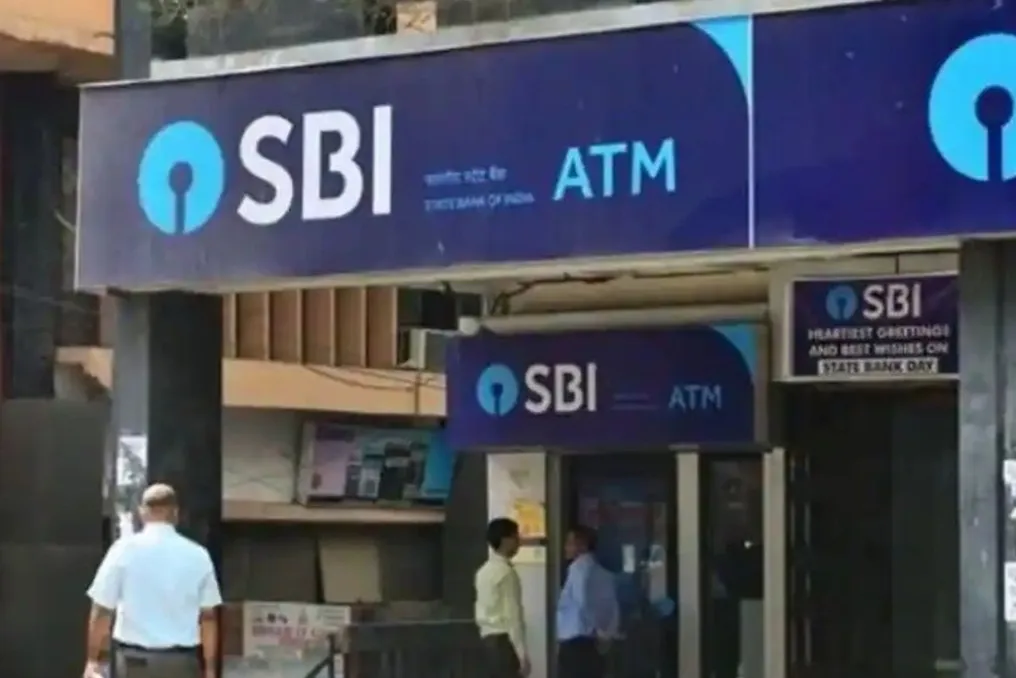
State Bank of India changes ATM operating rules starting October 1
Read more
www.aajtak.in

State Bank of India changes ATM operating rules starting October 1

The State Bank of India (SBI), a public sector bank in India, is set to change its rules, which will directly affect its customers. These changes take effect at the beginning of next month, specifically on October 1, and may come as an unwelcome surprise to users.

SBI plans to adjust the limit for free ATM transactions and associated charges for its customers. This information was updated on the bank's website regarding changes that will occur from the first day of next month, October 1, 2026.

According to SBI, new charges will be effective from October 1 for Basic Savings Bank Deposit (BSBD) accounts opened through a bank branch. Although customers will retain the service of four free transactions per month, every subsequent operation will incur a fee of 15 rupees plus GST. Furthermore, SBI is changing how these four free transactions are counted, including operations conducted through the Aadhaar Enabled Payment System (AePS), which were previously not included in the monthly limit.

It is important to know what an AePS transaction is. It is an Aadhaar-based payment system that allows users to make digital payments using only their Aadhaar number and biometric authentication, without needing a debit card, PIN, or password.

Changes are also coming into effect for SBI salary account holders from October 1. Their monthly limit for free ATM operations will be halved. Previously, SBI salary account holders could perform 10 free ATM transactions, but this number is now reduced to five.

When reviewing the SBI ATM Rule Change for salary account holders, it should be noted that, in addition to reducing the cash withdrawal limit, it has been clarified that these five free transactions will include both financial and non-financial operations. This means the limit includes not only cash withdrawals but also non-financial services such as balance inquiries or mini-statements via ATM.

According to the bank's website data, if a salary account holder performs an operation after exhausting the free limit, they will have to pay 23 rupees plus GST for each cash withdrawal from the sixth transaction in a month. For non-financial operations, the charge will be 11 rupees plus GST after reaching the free limit.

Popular