How families can improve support for loved ones suffering from Alzheimer's disease
Read more
CGTN
cgtn.com

How families can improve support for loved ones suffering from Alzheimer's disease

Caring for a loved one suffering from Alzheimer's disease requires patience, empathy, and the application of flexible care strategies. Dr. Zhang Wei, director of the Center for Cognitive Neurology at Tiantan Hospital in Beijing, emphasizes that non-pharmacological care is crucial for controlling behavioral symptoms.

Caregivers should prioritize emotional connection over logic. It is important to avoid mistakes such as arguing about facts or excessive guardianship that deprives the person of independence. Simple actions, such as acknowledging feelings, using gentle distraction, and encouraging achievable daily tasks, significantly contribute to preserving the person's dignity and slowing cognitive decline.

Similar stories

Report shows that fairer vaccine distribution could save millions of lives during the next pandemic
Read more
iol.co.za

Report shows that fairer vaccine distribution could save millions of lives during the next pandemic

According to the latest report by the NUS–Lancet PRIME Commission, titled 'Transforming Pandemic Preparedness for Equity,' nearly 2.7 million additional deaths could be prevented during a future pandemic if vaccines are distributed proportionally to population rather than to the purchasing power of countries.

The Commission modeled an H1N1 influenza pandemic scenario where, without the rapid development of an effective vaccine, 58.5 million deaths were expected. With the rapid development of vaccines, the projected number of deaths would decrease to 23.9 million. However, the modeling showed that the number of victims could be reduced even further if vaccine distribution is based on population size rather than purchasing power.

In such a scenario, an additional 2.7 million deaths could be prevented, with the greatest reduction observed in middle-income countries. These results highlight one of the key lessons from the Covid-19 pandemic: access to medical countermeasures and vaccines heavily depends on a country's ability to secure necessary supplies.

Wealth and Vaccine Access

The commission's modeling demonstrated the trade-offs associated with a more equitable distribution of limited vaccine supplies. When distribution was based on population, the number of deaths in high-income countries increased from a modeled 2.4 million to 3.9 million, while the global death toll decreased.

It is important to note that the figures presented are estimates from a hypothetical pandemic model and do not predict the exact number of victims from any specific future outbreak. The Commission also examined the impact of vaccine confidence. Its modeling showed that measures capable of increasing confidence in vaccines could prevent another 1.9 million deaths within the hypothetical pandemic. This points to another challenge for future pandemic response: vaccine development is only part of the process; people must also trust them and have access to them.

Pandemic Preparedness Goes Beyond Vaccines

The report asserts that pandemic preparedness must consider the socio-economic conditions that affect people's ability to protect themselves during a public health emergency. The Commission analyzed data from 20 countries, examining issues such as healthcare access, social protection, public trust, and communities' ability to respond to health threats.

This work comes amid ongoing efforts by the United Nations, which focuses on strengthening international readiness for future pandemics. In its own report, the UN noted the need for countries to learn from Covid-19 and strengthen cooperation before the next major health crisis emerges. The Commission similarly argues that pandemic preparedness cannot rely solely on surveillance systems, laboratories, vaccines, and emergency action plans.

It calls for the principle of equity to be included in pandemic planning so that countries and communities that have historically had less access to medical resources are not left waiting for vital medicines during the next crisis.

Another Approach to the Next Pandemic

The report frames vaccine distribution as part of a much broader question of how the world prepares for future outbreaks. The modeling shows that rapid vaccine development can significantly reduce mortality, but the benefit of this partially depends on how these vaccines are distributed. The commission's findings indicate that changing vaccine distribution criteria could save millions of additional lives worldwide, and increasing vaccine confidence could prevent millions of additional deaths.

These figures are based on modeling, not pandemic observation, so the actual impact of any future outbreak will depend on factors such as the virus involved, its transmissibility and severity, the speed of vaccine development, and the effectiveness of delivery by countries.

Warnings about flu spread issued in UAE schools and among doctors to limit its transmission
Read more
www.khaleejtimes.com

Warnings about flu spread issued in UAE schools and among doctors to limit its transmission

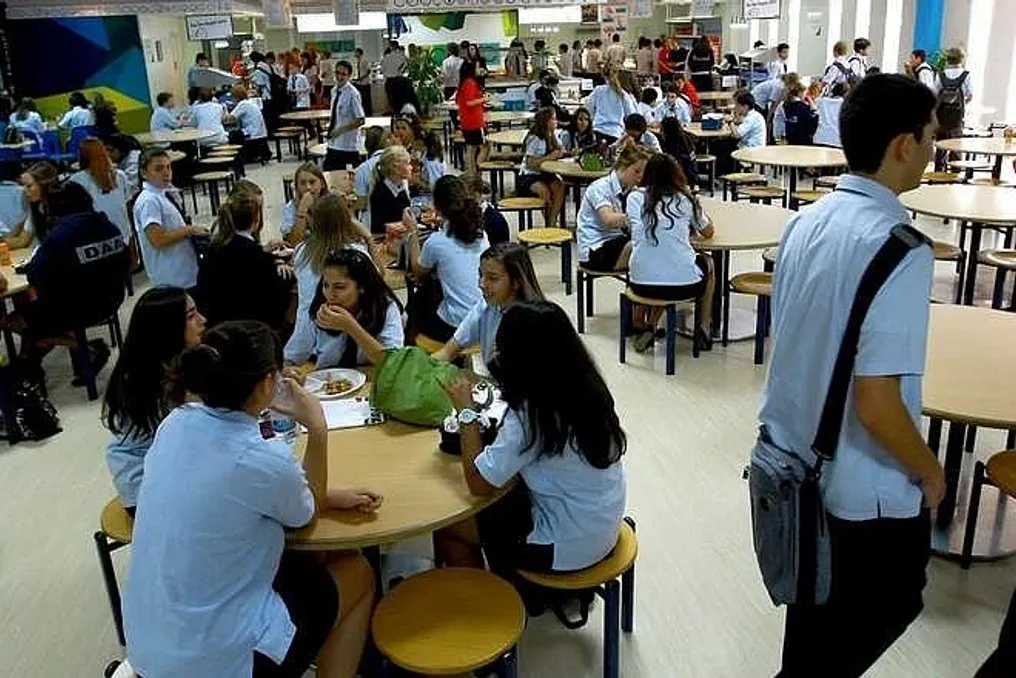
Parents across the United Arab Emirates (UAE) are strongly urged to keep children home if they develop symptoms similar to the flu. Some educational institutions have reported cases of influenza across different age groups and reminded families about infection prevention measures.

The messages sent to parents require monitoring children for signs such as fever, cough, sore throat, runny or stuffy nose, muscle aches, and fatigue. Some children may also experience vomiting or diarrhea.

Schools emphasize that students with flu symptoms must stay home and avoid contact with other students until their temperature has been normal for at least 24 hours without the use of antipyretics like paracetamol or ibuprofen.

These reminders align with how doctors in the country are addressing the issue of respiratory infections among children following the start of the school year.

A recent circular from one of the schools, distributed to parents, reported the registration of flu cases 'at various levels of education' and asked families to closely monitor their children for symptoms. It also highlighted the importance of keeping symptomatic children out of school until they are fever-free for 24 hours without medication.

Dr. Bassem Shamsuddin, a pediatric specialist from Mubadala Health Dubai, noted that the return-to-school period is often accompanied by an increase in respiratory illnesses, with the first wave of Influenza A infections already observed this year. He explained that the main signs of the flu include high fever, often accompanied by nasal congestion, followed by cough and sore throat. Children may also experience fatigue, body aches, headache, and loss of appetite.

According to him, the illness can last up to seven to ten days, although cough and weakness may persist longer. Dr. Shamsuddin added that antiviral medication is available for children with confirmed or highly suspected flu, which can shorten the duration and reduce the severity of the illness, especially if started early. He specifically stressed the need to consider antiviral therapy for children at increased risk of complications, including those with chronic respiratory conditions such as asthma, advising parents to discuss this with a pediatrician.

Regarding when it is safe to send a child back to school, doctors assert that the period of being fever-free is a critical element in preventing further viral spread.

Dr. Sameh Abdelazim Mohamed, Head of Pediatrics and Pediatric Consultant at NMC Royal Hospital Abu Dhabi, stated that children can remain contagious even after some symptoms improve. He explained that the virus can still be transmitted to classmates through respiratory droplets when coughing or sneezing, or through direct contact. With the flu, children may continue shedding the virus for several days after the onset of the illness, often longer than adults, so returning to school too early puts other children at risk.

He also emphasized that protection starts at home, and a healthy diet with good hydration supports children's health. Dr. Mohamed recommended getting the seasonal flu vaccination annually, as it remains one of the most effective ways to protect children.

Dr. Jadir Akkaparambil, an internal medicine specialist at Medcare Shaikh Saqr Al Qasimi Hospital, noted that vaccination is particularly important for groups such as 'young children, the elderly, pregnant women, and people with conditions like asthma, diabetes, and heart or lung diseases.' He added that healthcare workers or those who regularly care for vulnerable individuals may also be recommended vaccination. He advised always following local health guidelines and consulting a healthcare professional if there are any doubts, as recommendations may vary depending on the country and individual circumstances.

Meanwhile, Mohamed urged parents to reinforce basic hygiene habits at home, including regular handwashing and covering the mouth and nose when coughing or sneezing. He reminded them that children need to learn to protect others when they are sick and to protect themselves by staying away from sick friends. When one child is ill, they should be kept separate from siblings as much as possible, and towels, cups, or cutlery should not be shared to limit household spread. Parents should seek medical attention if a child develops a high fever, difficulty breathing, refusal to eat or drink, or appears unusually tired and lethargic.

Popular