Tashkent launches pilot dedicated lane for micro-mobility on Lyutfi Street
Read more
UzDaily
uzdaily.uz

Tashkent launches pilot dedicated lane for micro-mobility on Lyutfi Street

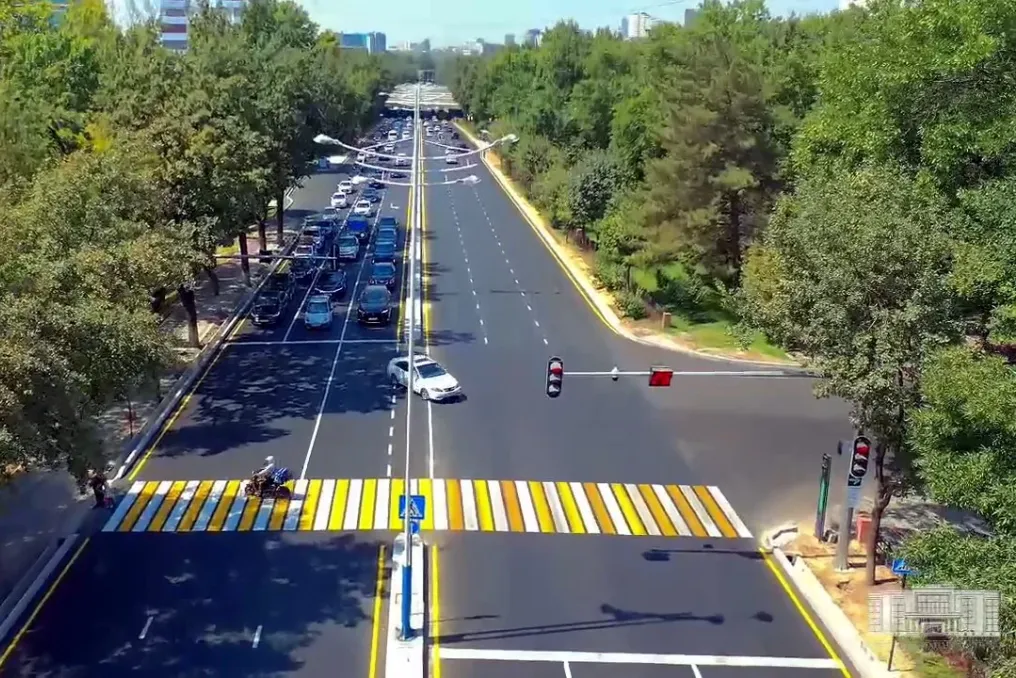
In Tashkent, Uzbekistan, a pilot project has started to create a dedicated lane for small mobility vehicles on a 2.4-kilometer section of Lyutfi Street.

This experimental project is intended to serve as a model for implementing similar infrastructure on other streets in the capital. The dedicated lane is designed for bicycles, electric scooters, electric mopeds, and other types of small mobility transport.

The Tashkent City Traffic Management Center was responsible for implementing the project. The goal of creating the lane was to separate the flows of cars and pedestrians.

The growing number of private transport users and delivery services increases the load on urban space. Without special infrastructure, micro-mobility users are forced to travel either alongside cars in the general traffic flow or on sidewalks with pedestrians. Differences in travel speeds in such conditions create inconvenience for all road users.

After conducting tests on Lyutfi Street, the new format demonstrated positive results. Specialists assessed the convenience and clarity of the lane for users, as well as the potential of organizing dedicated infrastructure for micro-mobility in urban traffic conditions.

Future plans include paying more attention to the physical protection of such lanes. Depending on the condition of the road surface, they can be separated from vehicle traffic using dividers, barriers, and other protective elements. This aims to reduce the probability of micro-mobility users' routes intersecting with car routes.

After completing the testing, the Center's specialists are already studying other areas of Tashkent where this solution could be applied. Developing such infrastructure should ensure the separation of traffic flows: cars should move on the roadway, pedestrians should remain on sidewalks, and bicycles and other small mobility devices should use the dedicated route.
Similar stories

Green wave system activated for 11 traffic lights on Makhtumkuli Street in Tashkent
Read more
podrobno.uz

Green wave system activated for 11 traffic lights on Makhtumkuli Street in Tashkent

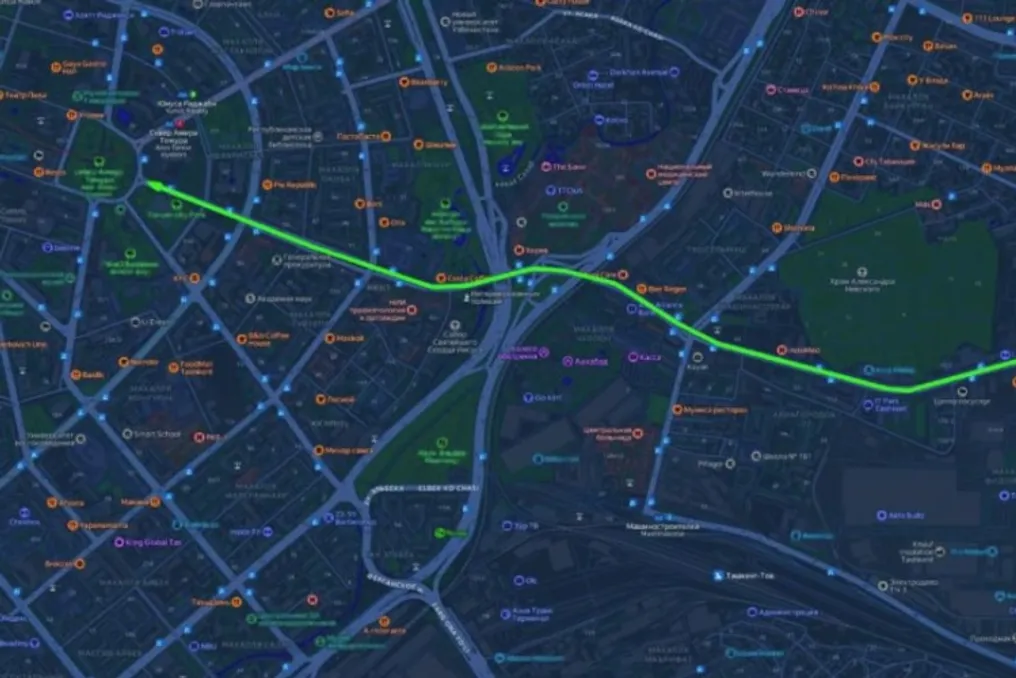
In Tashkent, on Makhtumkuli Street, specialists from the Road Traffic Organization Center have implemented the 'green wave' mode for eleven traffic light installations. This synchronization has allowed for a 12% increase in the throughput capacity of the main thoroughfare, and the average travel time along this route has decreased by 10%.

A detailed analysis of traffic flows was conducted to configure the system. Analysts took into account traffic intensity, traffic distribution depending on the time of day, traffic light cycle durations, and travel intervals between different intersections. It is worth noting that the average daily traffic intensity on this section reaches approximately 90 thousand vehicles.

The system operates in two different modes, which depend on the predominant direction of movement. From the beginning of the day until noon (from 00:00 to 13:00), the coordination is set towards the center of Tashkent—from the three-level interchange at the intersection of Makhtumkuli and Yangi Uzbekistan streets to Amir Temur Square. In the afternoon, from 13:00 to midnight, the coordination direction changes to the Tashkent region.

According to calculations, the speed of movement in the coordinated corridor should be 55 kilometers per hour. Provided that the established speed limit is observed, the vehicle will sequentially enter the green signal intervals at subsequent intersections. The main goal of implementing this system is to ensure uniform movement, minimizing the number of stops and reducing delays at intersections, without the need for physical expansion of the road network.

Nevertheless, the actual travel time depends on many factors, including the current traffic situation, public transport operation, the presence of pedestrian phases, as well as possible road accidents or repair work. Specialists continue to monitor traffic and optimize regulation in other parts of the capital.

Popular