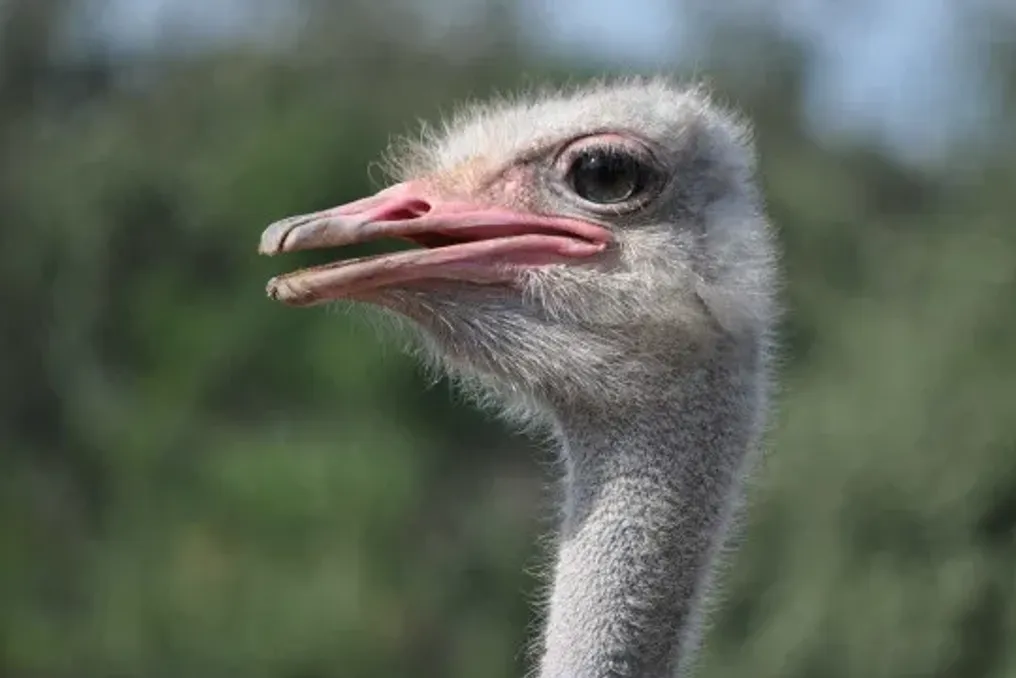
NGO investigates use of live ostriches for high fashion feathers in South Africa
Read more
Noticias ao Minuto
noticiasaominuto.com

NGO investigates use of live ostriches for high fashion feathers in South Africa

The non-governmental organization (NGO) World Animal Protection, in partnership with Collective Fashion Justice, conducted an investigation that exposed the cruel treatment of live ostriches destined for the creation of high fashion articles.

The investigation documented situations where workers surrounded the ostriches, covered their heads with bags, and subsequently cut and plucked their feathers without providing any type of anesthetic.

The collected images are part of a document called 'Blood Feathers,' which analyzes the living conditions on commercial ostrich farms and feather processing facilities located in South Africa.

This country is responsible for about 75% of the global ostrich market, with its industry generating meat, leather, and feathers. According to the research findings, South African farms and factories supply feathers to major luxury brands such as Yves Saint Laurent, Louis Vuitton, Dior, and Chanel, as well as the Asian fashion company Shein.

On certain properties, the procedure involves cutting the feathers above the bloodline—that is, while they are still growing and vascularized—before removing them from the animals' skin using tweezers. This removal cycle occurs on some birds every six months, as reported by the organization. The presence of blood in the quill of these feathers gave rise to the name 'blood feathers.'

The report points out that despite this method being presented as an alternative to plucking live birds, the investigation proved that the process causes great suffering to the involved ostriches.

Additionally, the research recorded injured ostriches, including individuals who showed an inability to stand, and others presenting lesions resulting from bites to the eyes and feathers.
Similar stories

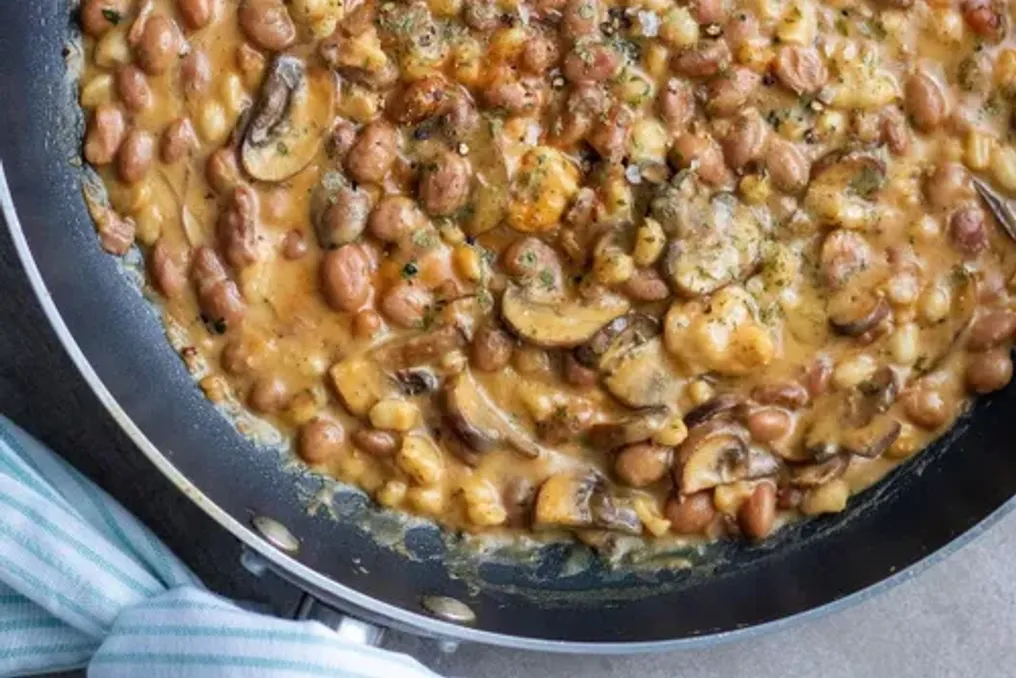
Four Traditional South African Dishes Worth Trying in Heritage Month
Read more
iol.co.za

Four Traditional South African Dishes Worth Trying in Heritage Month

September is celebrated as Heritage Month in South Africa, a time to celebrate the country's rich cultural traditions, languages, history, and, of course, cuisine. Since Heritage Day falls on September 24th, food offers one of the simplest ways to experience the diversity of South Africa.

Traditional dishes, from local maize staples to Cape Malay favorites, carry stories passed down through generations. This month features four classic South African dishes that are worth including in your menu.

Umngqusho — The Khosa People's Favorite Dish

Among the dishes closely associated with the Khosa people's cuisine, umngqusho holds a special place—a hearty combination of dried maize and beans. It can be eaten on its own or served with meat, making it a comforting staple for family gatherings. It is also known that former President Nelson Mandela loved this dish.

For many South Africans, umngqusho is more than just a meal; it is the taste of home and a reminder of traditional cooking.

Bobotie — A Spicy Cape Classic Recipe

If you are looking for something with a distinct Cape flavor, bobotie is a favorite during Heritage Month. This dish is made by mixing spiced minced meat, often with raisins or other dried fruits, then topped with an egg custard and baked. Its history reflects the many cultural influences that have shaped South African cuisine, including Cape Malay culinary traditions.

Bobotie is usually served with rice and sambals, demonstrating how various culinary traditions have become part of South Africa's shared food culture.

Pap, Chakalaka, and Meat

No list of South African cuisine would be complete without pap and chakalaka. This combination of maize porridge, spicy vegetable relish, and fried or stewed meat is a familiar element of family gatherings, celebrations, and barbecues. Although recipes vary from one family to another, that is part of its charm. Some families prefer their chakalaka very spicy, while others make it milder. Pap can range from delicate and creamy to firm enough to eat with your hands.

The tourism company South Africa highlights pap and chakalaka among the country's iconic dishes, describing these traditional foods as part of South Africa's history and identity.

Kgodu — A Local Taste Worth Rediscovering

Heritage Month also provides an opportunity to look beyond the already well-known dishes. Kgodu, a traditional wild melon porridge originating from Limpopo and popular in Bapedi culture, is one such example. This dish combines wild melon with maize meal or sorghum, and the melon seeds can be dried and roasted to make dithotse. It serves as a reminder that traditional South African cuisine has long included inventive, plant-based dishes and methods of using ingredients with minimal waste.

More Than Just Food

South Africa's heritage cannot be captured by a single dish or cuisine. The nation's food culture has been shaped by both local traditions and by African, Asian, and European influences. During this Heritage Month, whether it is a plate of umngqusho, a steaming bowl of pap and chakalaka, aromatic bobotie, or a lesser-known local dish, the food on the table can be a delightful way to celebrate the many stories that make up South Africa.

Popular