In September 2026, women from South Africa took to the streets to commemorate women killed in eKhuruleni under the slogan 'enough is enough.' This protest was part of a broader fight against gender-based violence (GBVF), which remains an unresolved crisis in the country despite promises made by the president as far back as 2019.
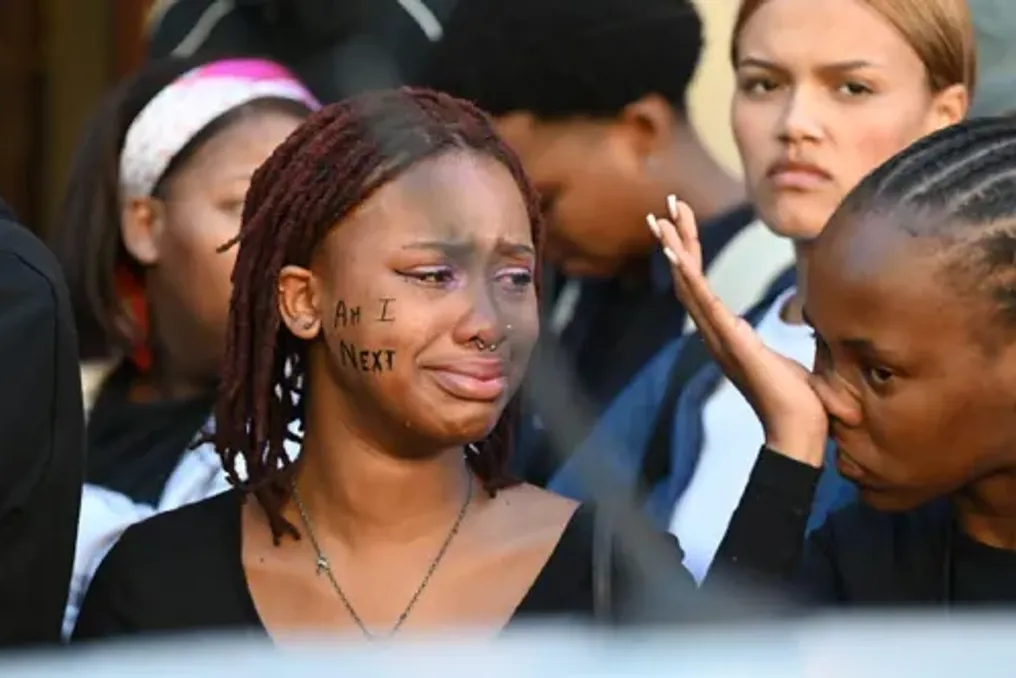
The photo chronology demonstrates a decade of public outrage over GBV, linking current demands for a safer South Africa with historical actions that first forced the government to take measures. Protesters continue to ask: 'Am I next?'
Nine female bodies were found in communities in eKhuruleni, including Kempton Park, Pomona, Clayville, Olifantsfontein, Rhodesfield, KwaTema, and Don Park. Police are still determining if these cases are connected. On September 16, 2026, South Africans took to the streets in Cape Town to pay tribute to the women whose bodies were found in eKhuruleni, demanding urgent action against gender-based violence.
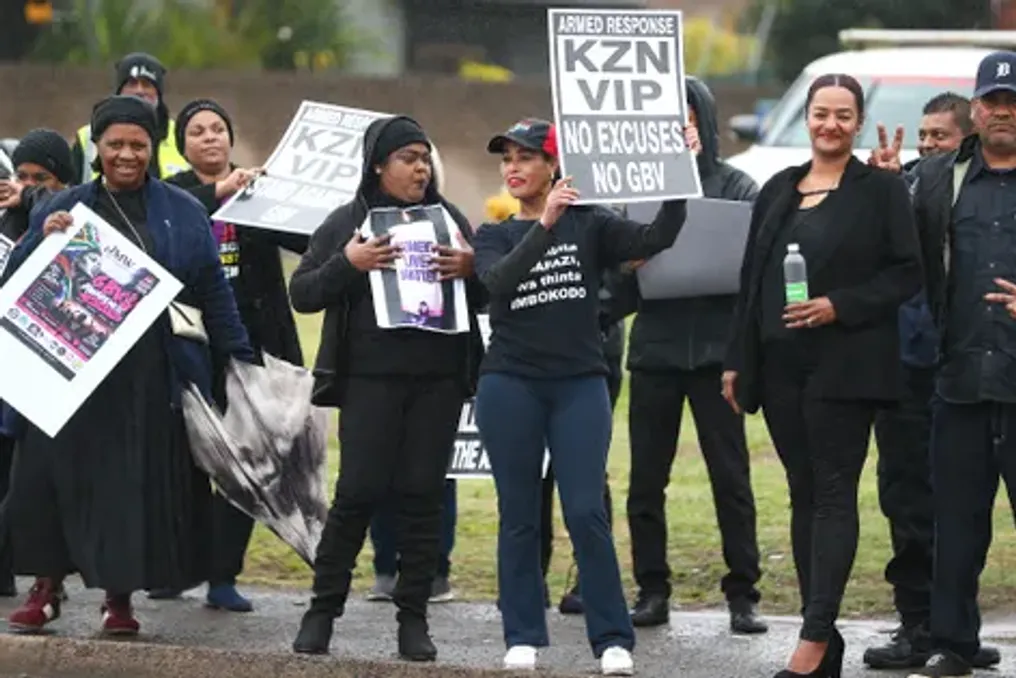
The images show what official rhetoric does not reflect: families and activists await names, answers, and visible protection. A placard featuring a child and the inscription '#EndGBV' transforms an unidentified case into a personal tragedy, while a handwritten sign asking 'How many more?' demands a tally of losses. The photograph of a weeping protester illustrates the cost of waiting.
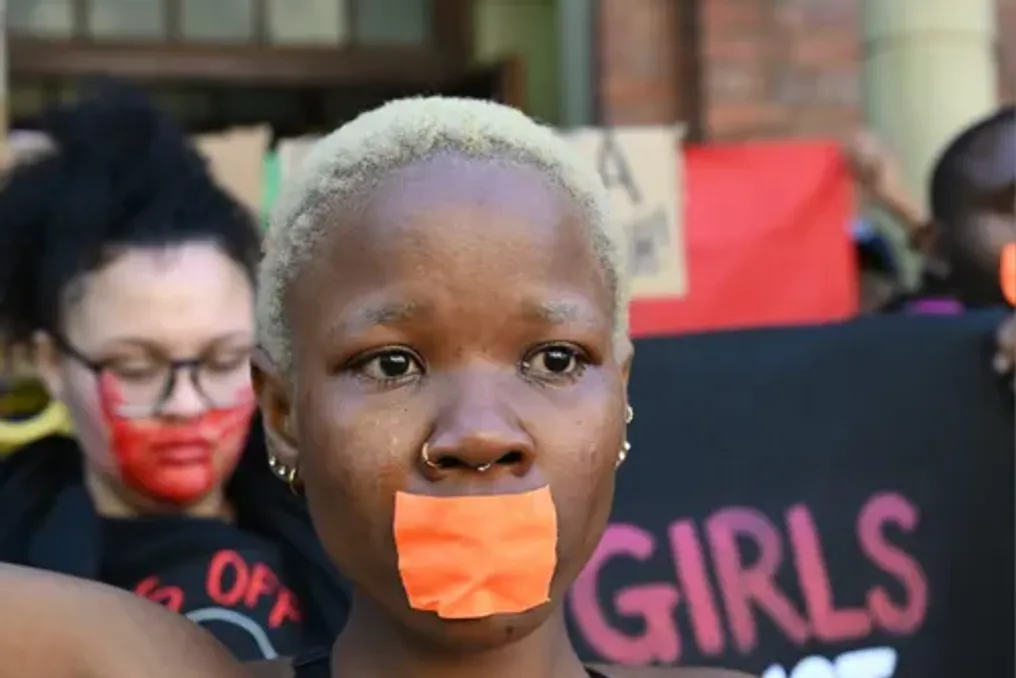
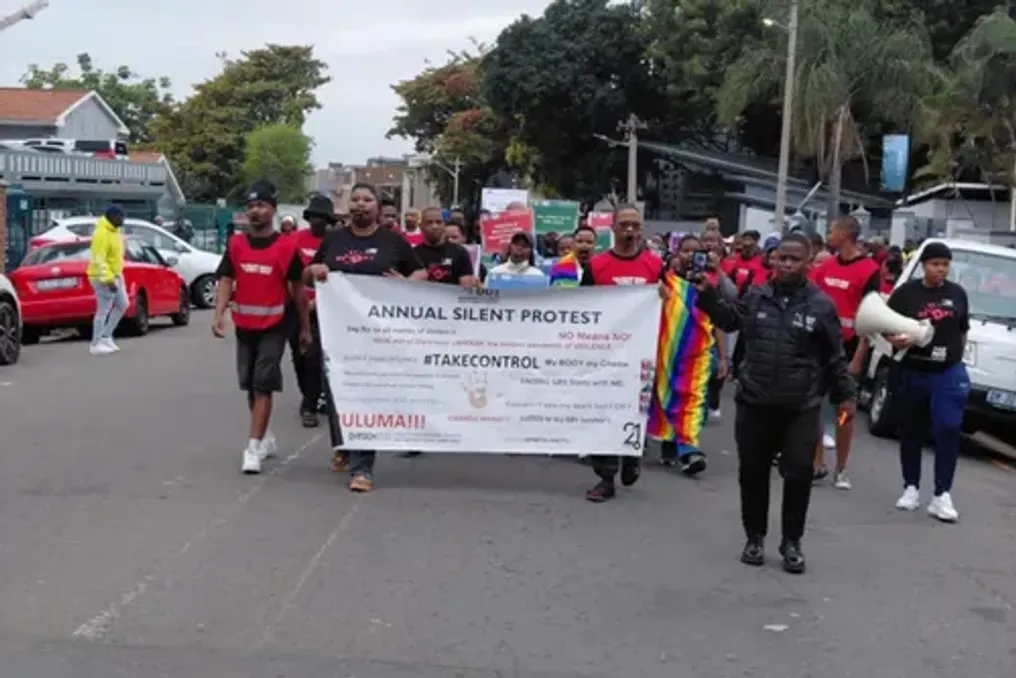
On September 16, 2026, black clothing symbolized mourning, and a 30-minute silence commemorated the loss of women whose cases remain part of a national crisis. On September 16, 2026, a 30-minute silent protest against violence against women took place in Cape Town near the Central Police Station and the Castle of Good Hope. Participants, dressed in black, gathered in silence to remember the women whose lives were cut short by violence and to support women living in fear.
In 2025, the government classified GBVF as a national disaster according to a ministerial statement from the National Council in 2026. This classification raised the level of state responsibility, requiring not just condemnation, but coordinated resources, measurable actions, and public accountability. However, the 2026 protests show that the situation on the ground has not changed since 2019, and the declaration of a disaster could not protect South African women and children.
The Gender-Based Violence and Femicide National Council Act of 2024 created a permanent legislative mechanism for coordinating and monitoring the national response. The Council held its first meeting on August 31, 2026. In January 2024, community members marched in Hyaletsh after a young woman was raped and killed.
Questions arise: who responds when there is no case? Who audits the police station? Who publishes a safety audit? Who is responsible when a survivor waits for help?
On December 7, 2023, members of the South African Women Lawyers Association and emergency service personnel marched to the Union Buildings in Pretoria, demanding that the government strengthen measures against gender-based violence. On June 19, a mural about gender-based violence appeared on the corner of Sandile Tusi and Problem Mkhize streets in Durban. On August 10, the Nokusa Foundation and people with disabilities marched from King DinuZulu Park to the Durban City Hall, uniting issues of disability, employment, and GBV into a single public demand.
On December 9, the Sidenhams and Sherwood Community Police Forum protested against GBV at Charles Hugo School, moving the issue from national policy to local police control. On June 29, 2022, the LGBTQ+ community and its allies marched from Durban City Hall to the Durban Magistrate's Court, demanding justice for murdered queer individuals and GBV victims, thereby emphasizing the need to include LGBTQ+ people in the national response to GBV.
On March 8, 2022, the organization Fee Gender and other civil society organizations marched to Site B police station in Hyaletsh after a murder case was dropped from the judicial record due to the police's inability to provide case materials. In 2022, women again posed the same unanswered question to President Cyril Ramaphosa as in 2019: 'How many more?' On February 22, 2022, residents of KwaDabek protested against gender-based violence following a series of incidents in the Claremont area. These community actions demonstrate how national language translates into local organization: residents translate the 'GBV crisis' into a demand for safety in a specific location.
On February 24, 2021, an anti-GBV demonstration took place in Cape Town near Parliament. On February 18, 2021, Ilita Labantu, police, and civil organizations conducted a motorcade in Gugulethu to break the silence surrounding violence against women and children.
Collectively, the photographs demonstrate two levels of action: one calls on neighbors to act, and the other demands accountability from the Presidency and Parliament.
On November 30, 2020, GBV victim Lovisa Terling joined a protest when a group of women addressed the Cape Town court regarding delays in domestic violence and sexual assault cases. On August 29, 2020, police used tear gas and flash-bang grenades during clashes with protesters and motorcyclists participating in a march against gender-based violence near parliament, which followed the murders of women in South Africa during Women's Month. On June 19, the South African Youth Council and gender activists staged a picket outside the SAPS West Cape headquarters, raising the banner '#WOMENLIVESMATTER,' sending a message to law enforcement dealing with GBV.
The 2019 images form the political starting point for the eight-year series. During the Covid-19 pandemic, President Cyril Ramaphosa called GBVF the 'second pandemic' of South Africa. In 2020, the Cabinet adopted a National Strategic Plan on GBVF with pillars such as accountability, prevention, justice, care, economic empowerment, and research. Six years later, have any solutions been reached?
On September 6, 2019, protesters marched to the Cape Town International Convention Centre, gathering near the African Economic Forum, and then occupied the N2 highway before returning to Parliament. The route linked legislation, global reputation, public space, and police. Uyinene Mrwetyana recalled her murder through an ordinary act preceding the crime. On September 8, 2019, President Cyril Ramaphosa addressed the nation outside Parliament in Cape Town, promising to review domestic violence and sexual assault laws and ensure stronger coordination and urgent intervention through Parliament. It can be said that little has changed since then.