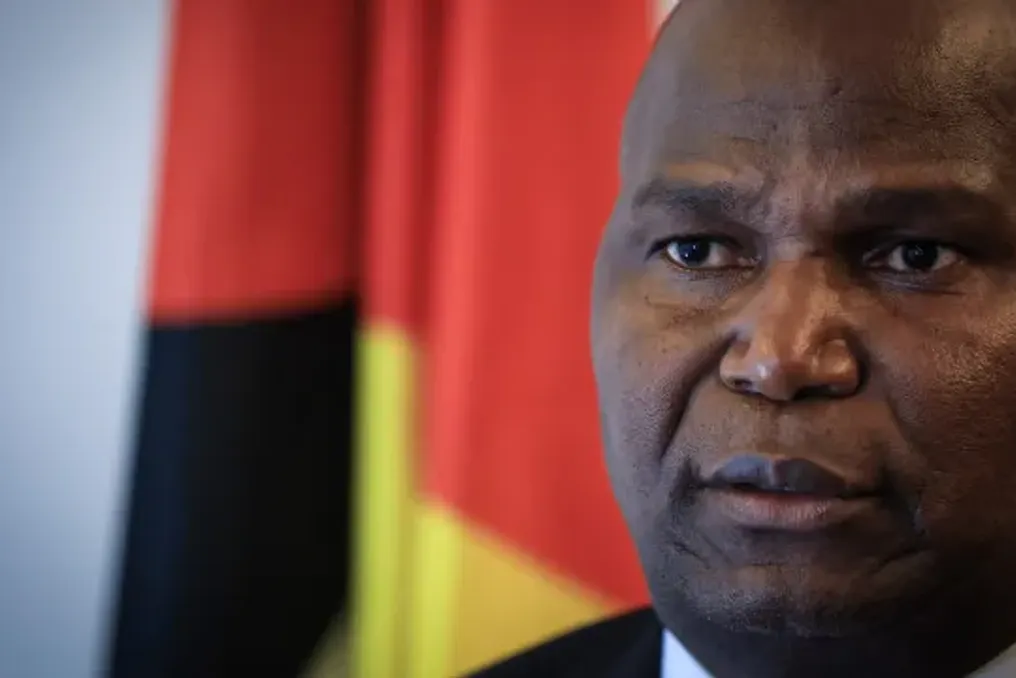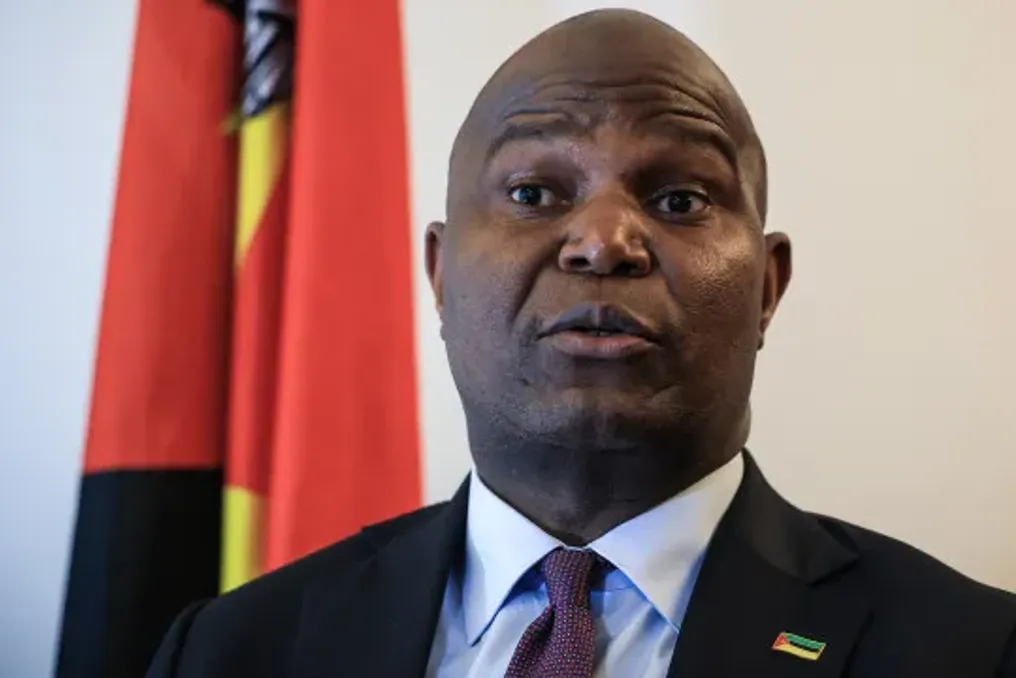
During his speech at the opening of the Rio Oil and Gas Forum 2026, Daniel Chapo highlighted investment opportunities in Mozambique and invited Brazilian companies to engage in the expansion of the country's energy industry and respective value chains.
The Head of State argued that the use of energy resources must go beyond simple exportation. He emphasized the need to invest in electricity generation, fertilizer and petrochemical production, in addition to boosting agricultural development and job creation.
Chapo stated: 'We want to produce and export energy, but above all, we want to use it to industrialize Mozambique, increase national production, develop agriculture and agribusiness, produce fertilizers, feed new industries, and create jobs.'
Additionally, he advocated for an energy transition that respects African development needs, arguing that the continent requires energy to industrialize, provide electricity to households, operate factories, and produce fertilizers. The president warned that 'the energy transition cannot mean a transition without energy,' as a just change will only occur if clean energy is accessible to all, avoiding energy poverty.
Natural gas was considered by Chapo as part of a 'pragmatic and responsible' transition, reinforcing that environmental sustainability and developmental progress must go hand in hand. In his presentation, he announced a new stage of making areas available for hydrocarbon research and exploration, supported by more solid geological data and an updated regulatory framework.
The President also mentioned the recently approved Petroleum Law, sanctioned in June, which aims to guarantee fiscal stability, legal predictability, regulatory transparency, and legal protection for investors. According to Chapo, this new legislation stipulates a minimum quota of 25% of oil and gas for domestic consumption and industrialization, aiming to meet the demand for electricity, fertilizers, petrochemicals, and feeding new industries.
He underlined the relevance of local content to foster Mozambican companies, promote technology transfer, and raise national participation in supply chains associated with large energy projects. Chapo reiterated that 'for Mozambique, exporting gas is part of the result, not the complete result,' arguing that the value of resources must also be measured by the electricity generated, the factories served, the jobs created, and the growth of local businesses.
The Mozambican leader directed special attention to Brazil, praising the country's experience in areas such as deep water, subsea systems, large-scale engineering, manufacturing, offshore logistics, maintenance, and supplier development. He stated: 'We are not just looking for suppliers. We are looking for partners,' encouraging partnerships, consortia, and associations between Mozambican and Brazilian companies that combine local knowledge with international experience.
In this scenario, Chapo welcomed the Memorandum of Understanding signed between the Brazilian state company Petrobras and the National Hydrocarbons Company (ENH), seeing it as a possible path for greater presence of the Brazilian oil company in Mozambique. Finally, he informed that ongoing energy projects amount to approximately 50 billion dollars (43.6 billion euros), and argued that Mozambique must convert its resources into industry, knowledge, jobs, and opportunities.