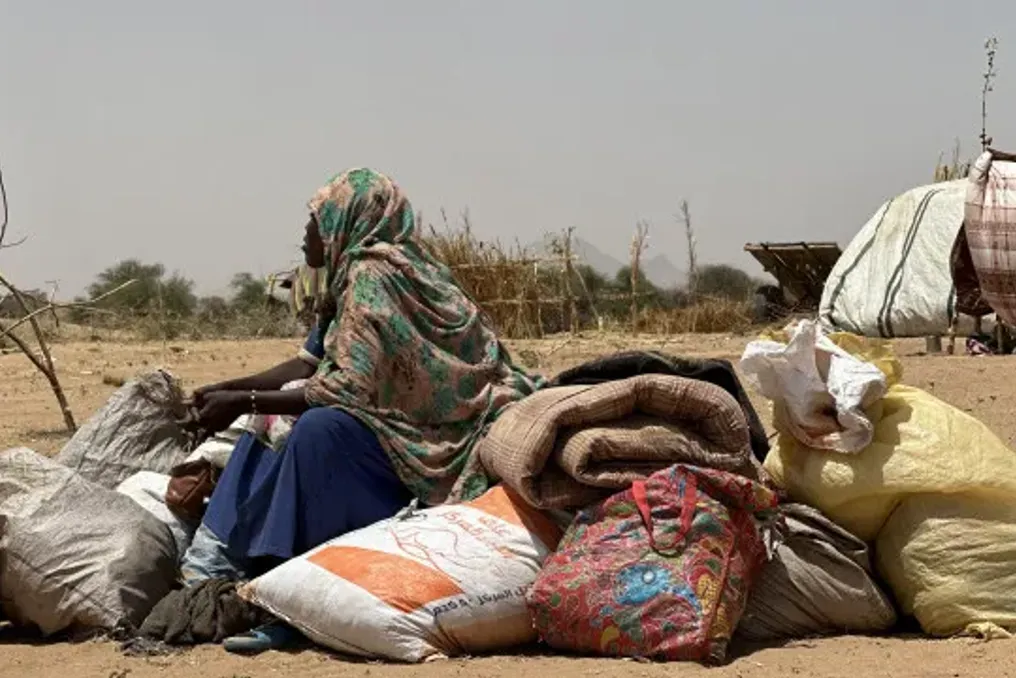
The International Organization for Migration (IOM), a United Nations (UN) agency, issued an alert about the danger of new displacements if adequate aid is not mobilized quickly.
In a statement, the UN agency called on governments, donors, humanitarian and development organizations, as well as international financial institutions, to increase their support without delay.
Amy Pope, Director-General of IOM, mentioned that returning home is only the beginning, as many families find damaged housing, closed schools, and poorly functioning clinics, in addition to a lack of livelihoods.
She emphasized that if they are not assisted, many will be forced to leave again, arguing that it is crucial to invest in these communities now to allow people to rebuild their lives and stay.
Most of the people who returned to their regions of origin (82%) had been internally displaced within Sudan. The remaining 18%, totaling about 930,000 individuals, returned from abroad, with the main places of origin being Egypt (50%), South Sudan (25%), Libya (10%), and the Gulf States (8%).
IOM stresses that reaching the milestone of five million returns represents a positive, albeit rare, sign in a prolonged humanitarian crisis, but this progress remains fragile.
IOM data indicates that there are approximately 8.6 million people still displaced in Sudan, which constitutes a slight reduction of 1% in the last month. Despite this, Sudan remains among the countries with the highest number of internally displaced persons globally.
According to humanitarian workers, the war in Sudan, which began in 2023, has resulted in over 200,000 deaths, and the UN classifies it as the world's worst humanitarian crisis. The UN also reports that at the peak of the conflict, more than 12 million people were internally displaced in Sudan, and nearly five million were forced to leave the country.