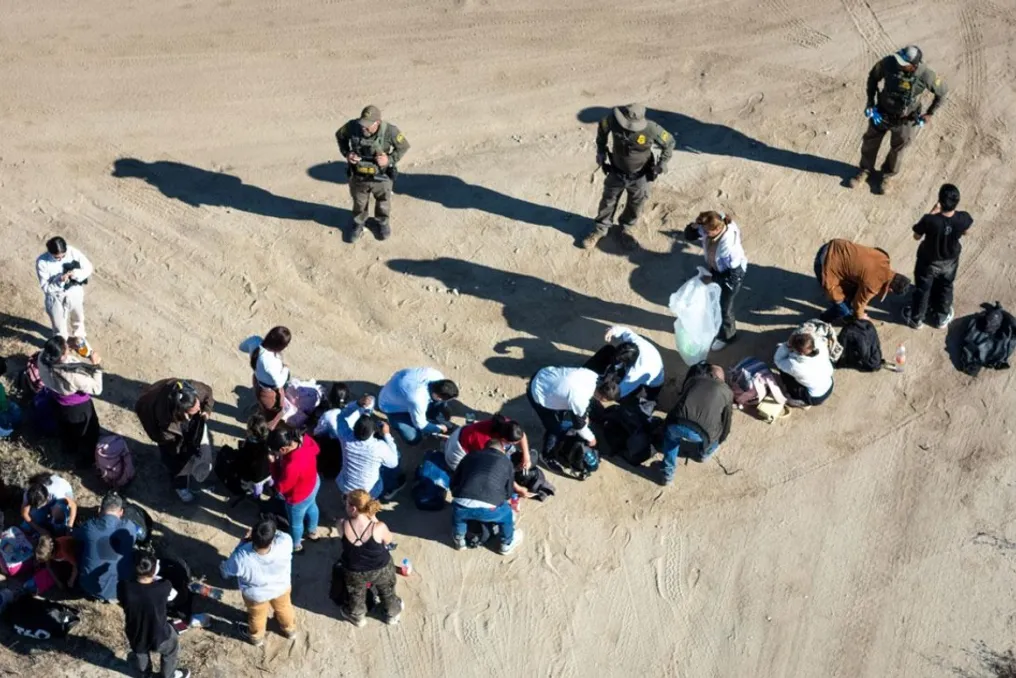
According to an investigation published on Monday, the United States of America has deported over 25,000 people to third countries based on confidential agreements with 35 states that accept migrants who have no ties to these countries.
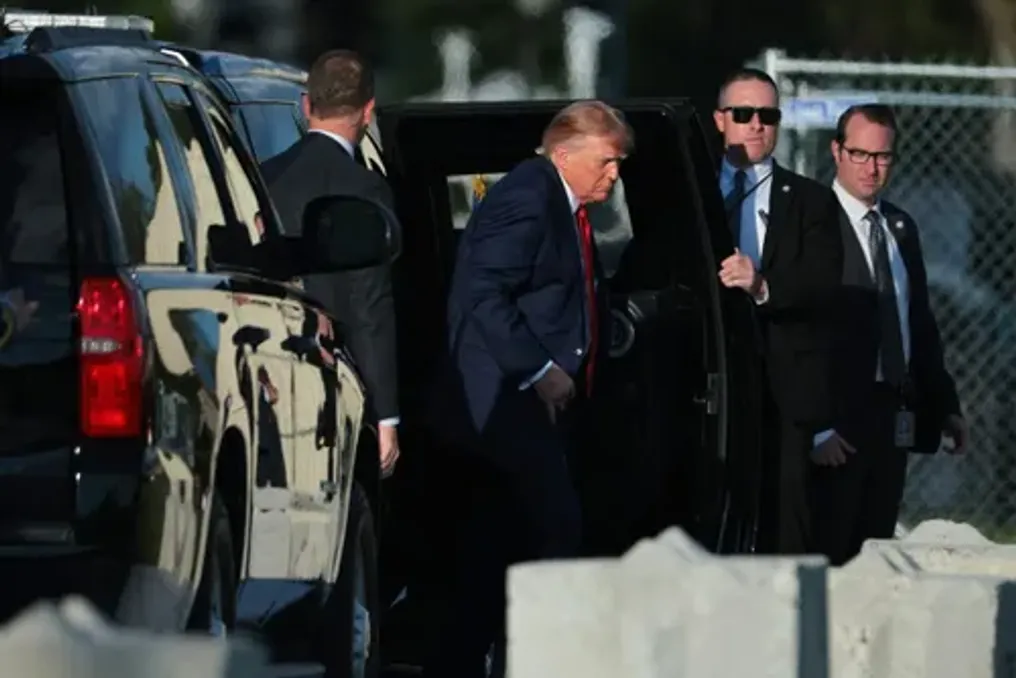
Since Donald Trump's inauguration as US President in January 2025, Washington has been concluding agreements with developing countries to accept migrants who cannot be legally sent home.
The investigation conducted by Forbidden Stories found that the administration allocated $410 million, which is intended to be transferred directly to the host countries or UN agencies to assist in the return of people.
Data collected by Forbidden Stories in collaboration with a consortium of international journalists indicates that at least 25,447 people were deported to third countries by August 31, 2026. The majority, about 20,000 people, were sent to Mexico, while the rest were distributed across 27 other countries in Latin America, Africa, and the Pacific region; agreements have also been finalized with seven more countries.
These agreements vary in terms, including the definition of nationalities that can be deported and the possibility of accepting individuals with criminal records. Earlier this year, an AFP investigation revealed that Washington uses visa bans and restrictions against African countries to force them to accept deportees.
Lawyers informed AFP that deportees fall into a 'legal black hole,' where they are held without charges in countries where they have few ties and little rights.
Forbidden Stories reported that approximately 49 out of 54 African countries were informed about the possibility of accepting deportees from third countries. Most of the negotiations and payments are managed by a little-known Department of State unit called the Reintegration Office, established in May 2025. This office is headed by diplomat Christian Jove Erhardt, a 41-year-old specialist who previously worked as a security officer.
The report details his visits to Cameroon, which signed a memorandum of understanding with the US in December regarding the acceptance of deportees. A week later, Cameroon also signed a five-year medical assistance program worth nearly $400 million. The following month, the State Department announced an additional $30 million to the UN Refugee Agency (UNHCR) in Cameroon to 'facilitate voluntary repatriation of refugees and combat illegal immigration.' The first flight with deportees arrived in Cameroon on January 14.
Other agreements included direct payments to governments. Palau, a small Pacific island nation with a population of less than 18,000, signed an agreement in December 2025 to accept up to 75 citizens from third countries in exchange for $7.5 million, but only three people have been sent under this agreement so far.
In Eswatini, 32 people arrived from a possible 160 as of July 2025 under an agreement worth over $5 million; the investigation found that this country accepts deportees with criminal records.
Of the planned $410 million for these agreements, internal State Department records showed that $81 million was allocated to signatory governments. The remaining amount was designated for humanitarian organizations, including over $178 million for the International Organization for Migration (IOM) and $123 million for UNHCR.
The agencies faced criticism regarding their participation, although UNHCR told Forbidden Stories that it is not a party to bilateral agreements and that American funding is used in accordance with its mandate to strengthen asylum systems. An IOM representative told Forbidden Stories that the agency's decision to accept funding was based on 'a single question: will our involvement improve the lives of affected migrants. In these cases, we firmly believe that yes.'