Financial security while traveling has become more accessible thanks to the introduction of digital wallets and global accounts, reducing the risks associated with carrying large amounts of cash. However, the increase in technological security has driven up the sophistication of scams, requiring greater attention when making purchases abroad.
To ensure that the trip goes smoothly, there are several safety recommendations. Before leaving Brazil, it is advisable to use the bank's application to activate the travel notice. This prevents the card from being preemptively blocked, as many institutions suspend use upon detecting transactions in unusual locations.
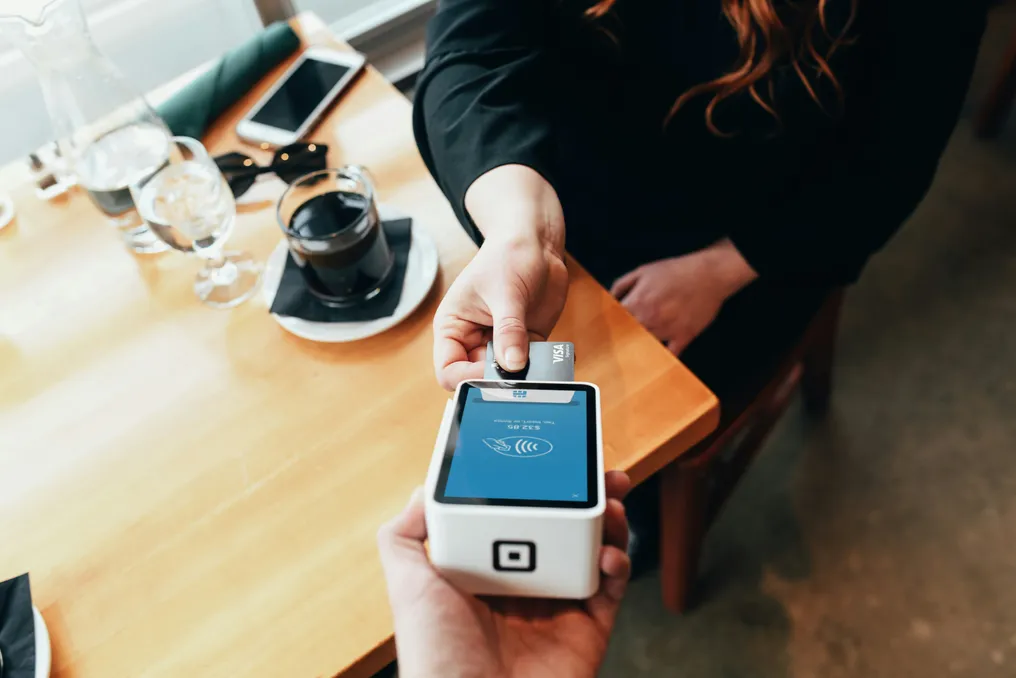
Although contactless payment can pose risks if used carelessly, since it bypasses passwords, it can be an effective tool to protect a credit card while traveling. This technology prevents card data from being exposed to third parties, and enabling payment via cell phone or smartwatch adds an extra layer of protection to the physical card, minimizing the need to handle it.
It is crucial to keep banking applications with notifications activated throughout the trip, especially those related to transactions and payments. This allows the traveler to receive real-time information about every expense, enabling immediate action to block or dispute any fraudulent purchase.
In this context of virtual cards and contactless payments, the cell phone assumes importance equivalent to that of the card itself. Therefore, the security applied to the payment method must be extended to access to the mobile device; to prevent unauthorized use of the phone by third parties, it is recommended to enable facial recognition or other biometric locking mechanisms.
Scams, such as those where tourists in Brazil paid excessive amounts for drinks on the beach, are facilitated when the traveler does not understand local costs, especially when the foreign currency has a significantly higher number of zeros compared to local habits. Understanding the exchange rate is vital to avoid inflated payments.
Regardless of the destination's monetary structure, there is one universal rule: never make any payment without first verifying the amount displayed on the card machine. Although it may be inconvenient for larger expenses, this establishes an additional safeguard: if the card is stolen or the phone is hacked, a restricted spending limit can mitigate losses in adverse scenarios.
Open Wi-Fi networks, common in hotels and airports, are vulnerable to intrusions and interception of sensitive data. Even when using public networks, one should avoid accessing banking applications or entering passwords on them. Furthermore, even when choosing not to use the card due to suspicion, it is prudent to carry some bills and coins to cover emergencies or system failures.