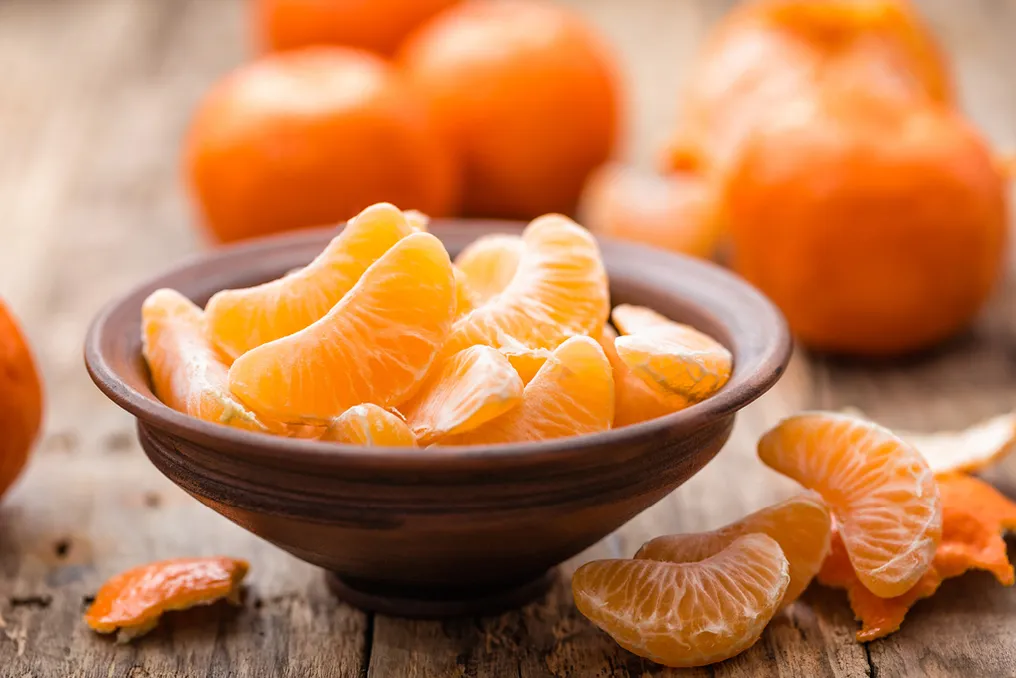
According to an article published in the journal PlosOne, vitamin C has shown positive impacts on the brain, and it is found in oranges and other citrus fruits. Researchers identified a link between this micronutrient, better neuronal function, and greater brain structural integrity.
To investigate this connection, Japanese scientists analyzed 2,044 elderly individuals, examining tests such as magnetic resonance imaging alongside blood nutrient levels. Since this is a cross-sectional study, it serves to raise hypotheses but does not offer definitive proof, functioning as a snapshot of a specific moment.
Celso Cukier, a nutritionist at Einstein Israelite Hospital, commented that some participants might already have had a healthy lifestyle and a balanced diet, which could have contributed to good vitamin levels at the time of the exams.
Vitamin C, also known as ascorbic acid, belongs to the group of water-soluble vitamins, meaning it dissolves in water, is absorbed by the body, and any excess is excreted through urine. It is important to note that excessive consumption of this nutrient can increase the risk of kidney stone formation. Unlike fat-soluble vitamins, which are stored in the body, water-soluble vitamins require continuous and balanced intake, avoiding excesses.
Cukier emphasizes that, despite the study indicating a correlation, its findings do not justify the use of vitamin C supplements specifically for the brain, as no single nutrient guarantees benefits alone; the overall context is fundamental. He recommends focusing on a diet rich in fruits, vegetables, grains, and other foods that provide antioxidant substances and protective properties.
Antioxidant compounds and cognitive health
Various studies have already indicated that antioxidant compounds are vital for brain function and for reducing the risk of diseases such as Alzheimer's. A nutritionist, Lara Natacci, who completed postdoctoral research at the Faculty of Public Health of the University of São Paulo (USP) investigating the relationship between diet and mental health, explains that the brain is metabolically very active, generating numerous reactions that lead to the production of free radicals. Excess molecules can cause damage and impair cognitive functions.
In addition to vitamin C, it is advisable to include other antioxidants in your routine, such as carotenoids found in carrots, tomatoes, and spinach, and polyphenols present in grapes, açai, jabuticaba, apples, coffee, and green tea. Vitamins A and E, found in egg yolks, pumpkin, olive oil, and nuts, as well as minerals like selenium and zinc, found in nuts and seafood, should also be considered. All these elements help neutralize free radicals, minimizing oxidative processes and supporting the maintenance of neuronal functions.
In addition to its antioxidant function, the nutritionist mentions that vitamin C, when ingested through diet, participates in the production of neurotransmitters—the chemical messengers responsible for communication between neurons—and contributes to the integrity of blood vessels, thus protecting the organ.
Benefits of Vitamin C beyond the mind
In terms of physical health, vitamin C is essential for collagen synthesis, a protein that gives firmness and support to the skin, and integrates other tissues, including bones. It also optimizes the absorption of iron from vegetables, making it an ally in preventing anemia. This occurs because vitamin C helps convert ferric mineral into ferrous iron, making it more soluble and facilitating its uptake by intestinal cells.
Lara Natacci reinforces that the micronutrient also strengthens the immune system, but warns that high doses will not result in a significant increase in immunity. Excess, in fact, can cause pro-oxidant effects.
To ensure daily intake, consuming citrus fruits is a good strategy, but they are not the only source. The USP specialist lists acerola, cashew, guava, strawberry, and papaya as examples of vitamin C-rich fruits. Other options include bell peppers, kale, broccoli, tomato, and parsley. It is best to consume these foods raw, as heat accelerates oxidative processes, causing nutrient loss.
Regarding juices, the tip is to consume them quickly; otherwise, keeping them refrigerated in dark containers helps preserve the nutrient. The final suggestion is to diversify both recipes and sources to enrich the daily diet.