
UN Special Rapporteur assesses Mozambique's response to climate change
Read more
Noticias ao Minuto
noticiasaominuto.com

UN Special Rapporteur assesses Mozambique's response to climate change

The visit of the UN Special Rapporteur to Mozambique, which will last until October 2, is aimed at gathering information on the impact of climate change on human rights and assessing how these rights guide existing and planned climate measures.

During the mission, the specialist will meet with representatives of the government, civil society, academic circles, UN agencies, the private sector, and other stakeholders, including communities affected by climate change.

The Rapporteur will also examine the role of international technical assistance, capacity building, and international financing in supporting the resilience and adaptation of vulnerable populations.

In a statement from the Office of the United Nations High Commissioner for Human Rights, it was noted that the Special Rapporteur looks forward to learning about the impact of climatic phenomena on human rights, as well as the role of international technical assistance, capacity building, and international financing.

Preliminary findings and recommendations from the visit will be presented on October 2 at a press conference at the headquarters of the Office of the United Nations High Commissioner for Human Rights in Maputo.

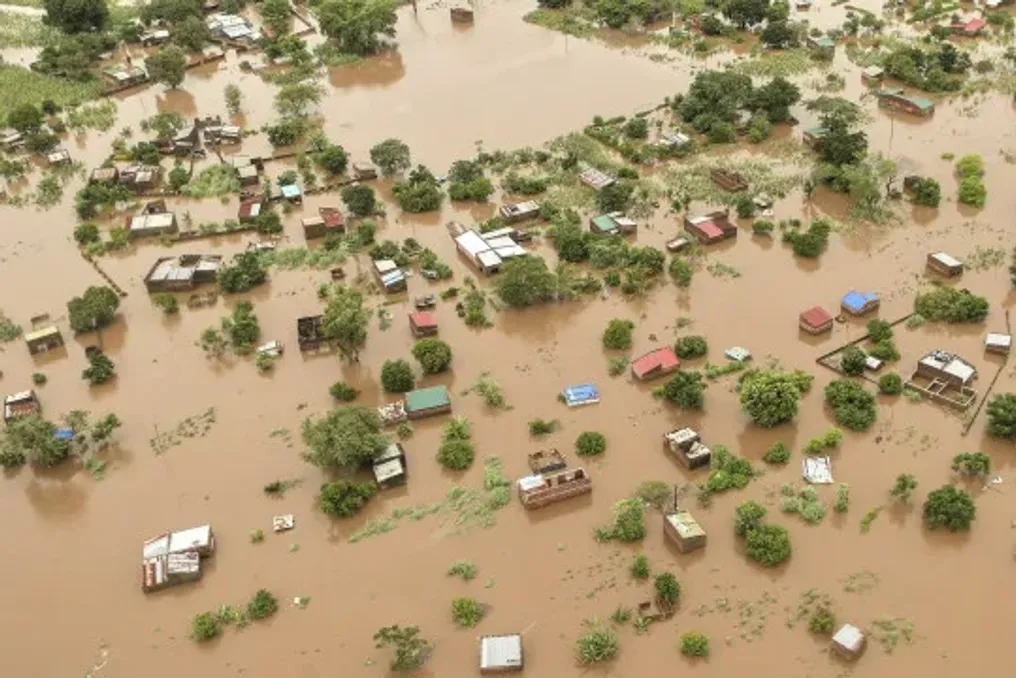
Mozambique is considered one of the countries most severely affected by climate change globally, as during the rainy season, which runs from October to April, the country cyclically faces floods and tropical cyclones.

According to the latest update from the National Institute for Disaster Management and Risk Reduction (INGD), published in early May, the number of fatalities reached 311 during the last rainy season, and approximately 1.07 million people were affected since October.

The Special Rapporteur's visit comes against the backdrop of Mozambique being among the top three Southern African countries of concern regarding the 2026/27 El Niño phenomenon, alongside Madagascar and Malawi. International organizations predict increased drought, food insecurity, and displacement.

The National Meteorological Institute forecasts a strong El Niño from November 2026 to April 2027, with reduced rainfall in the south and central parts of the country.

The need to strengthen preparedness and response is also driven by accumulated vulnerabilities: about 3.5 million people are in a state of acute food insecurity, and about 662 thousand are internally displaced persons, mainly linked to the conflict in Cabo Delgado.

The UN warns that the combination of drought, extreme temperatures, water scarcity, and disease outbreaks could exacerbate consequences for vulnerable populations, highlighting the importance of systems and equipment capable of forecasting and responding to emergencies.

Later, the Special Rapporteur will present a report on the mission to the UN Human Rights Council in June 2027, including their findings and recommendations regarding the situation in the country.
Similar stories

Mozambique needs 349 million euros to mitigate El Niño effects
Read more
noticiasaominuto.com

Mozambique needs 349 million euros to mitigate El Niño effects

The Minister of Public Works, Housing and Water Resources, Fernando Rafael, stated at the opening of his ministry's XII Coordination Council that forecasts for the upcoming rainy season indicate a strong El Niño event. The greatest impact is expected to fall on the southern and central regions of Mozambique, which could lead to a significant decrease in rainfall, prolonged drought periods, and episodic intense rains.

In light of the potential consequences of this phenomenon, the Government has decided to react proactively and has prepared a plan valued at $401 million (349.2 million euros). This plan covers areas such as water resources and supply, agriculture, livestock, fisheries, healthcare, education, social protection, and food aid.

Fernando Rafael emphasized that the Government is aware of the scale of this problem and has therefore decided to act before the most serious consequences manifest, preparing a Mitigation Plan estimated at approximately $401 million USD.

Of the total planned amount, the Government has secured $125 million (108.9 million euros) through external support. Approximately $276 million remains to be raised for the full financing of the measures outlined in the plan, Fernando Rafael specified. He added that fundraising efforts will continue through the State Budget and partners.

The plan provides for emergency food assistance to 343,773 people, corresponding to about 68,755 families. Social protection measures are intended to cover around 234 thousand families. In the agricultural sector, activities are planned for over 155 thousand farmers and 90,500 livestock keepers, with priority given to areas most susceptible to drought and water scarcity.

Planned actions include the construction and reconstruction of water supply systems, dams, reservoirs, and multipurpose wells, distribution of drought-resistant seeds, livestock protection, strengthening school feeding programs, and providing sanitary and nutritional aid to the most vulnerable families.

Fernando Rafael noted that the response will be phased: first preparation and immediate response, followed by recovery and stabilization, and only then strengthening resilience and prevention. He advocated for this approach to protect the population and enhance communities' ability to cope with future droughts and other extreme weather events.

The details of the mitigation plan, disclosed today, were approved by the Council of Ministers on Tuesday. A government representative, Salim Wala, explained that this instrument includes strengthening and replenishing water security for human consumption, irrigation, and livestock drinking, as well as preparing the health, education, energy, and industry sectors for the possible impact of the phenomenon.

At the same time, the Government reported that an intersectoral group is deepening the assessment of the financial and social consequences of El Niño. The executive branch had previously warned of possible consequences in at least 52 districts of the southern and central regions. Furthermore, a technical analysis conducted by the Secretariat for Food and Nutrition Security indicated a possible exacerbation of the acute food crisis by 55% by March 2027, affecting 1.84 million people.

Popular