President Cyril Ramaphosa stated that gender-based violence must be treated as a national crisis, emphasizing that women should never live in fear of men and deserve protection. He noted that the government is responsible for protecting women from gender-based violence, as police investigate the deaths of nine women whose bodies were found in Ekurhuleni over the past two months.
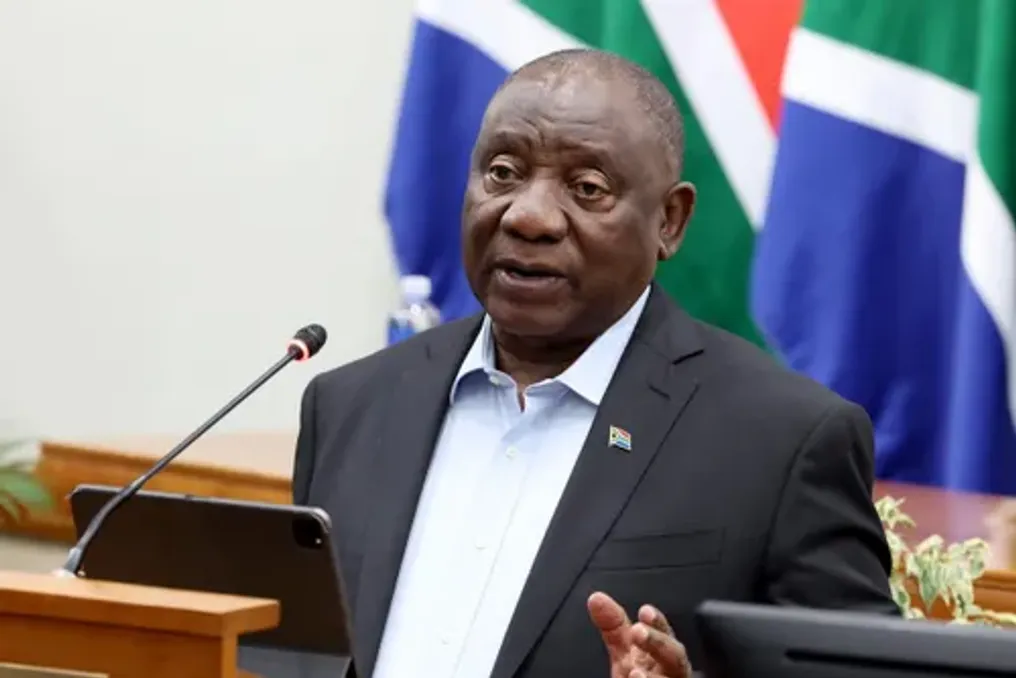
Ramaphosa made these statements to journalists during a fundraising day for ANC Veterans at Gold'sboro Country Club in Woodmead on Monday, following a series of murders that raised new concerns about women's safety.
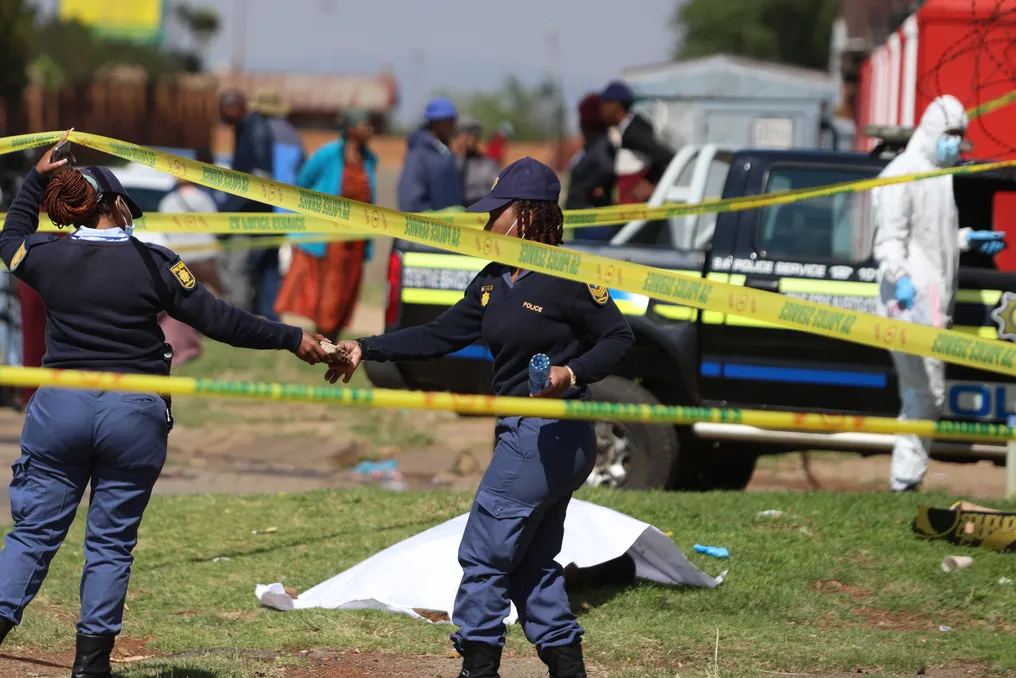
In connection with the murder of Jabulile Ntimbe, whose body was found in Don Park on Thursday, the Gauteng Murder and Robbery Investigation Unit arrested three suspects—one man and two women—over the past weekend. A woman, reportedly around 30 years old, was found partially clothed in an open area on Lama Street in Villa Liza; police reported she had a fatal neck wound.
These three suspects are due to appear in the Boxburg Magistrate's Court on Monday. This woman is the ninth victim in a series of murders being investigated by the police after nine bodies were discovered in the Kempton Park and Ekurhuleni areas over a two-month period. Police are also investigating whether these nine deaths are connected.
However, the current Minister of Police, Firoz Kachalia, warned that investigators have not established that a serial killer committed the crimes, noting that investigations point to various possible motives and methods.
These events have led to increased police presence in the affected areas of Ekurhuleni, as well as the strengthening of a multidisciplinary team to investigate the deaths. When asked if the government's initiatives to combat gender-based violence are failing, he stated that the government cannot distance itself from its duty to protect women, even when the violence occurs in private homes.
He stressed: 'Even if sometimes gender-based violence happens in people's private homes, South Africans expect their government to protect them. Therefore, we will never shirk this responsibility. It is our duty.' Ramaphosa added that South African women deserve protection from their government and have the right to feel safe on the streets at any time of day. If they do not feel safe, the government must act.
He stated that murders, rapes, and violence against women require the government to take concrete steps to protect them. 'It goes without saying, as far as I know. And I do not want anyone in government to make excuses. The death of women, the rape of women, the violence against women—that is what we, as a government, must state that we will take steps to protect the women of our country,' he said.
Government will strengthen resources
Ramaphosa announced that the government will strengthen its response to gender-based violence by mobilizing additional resources and technology. 'We will do everything we can to find these criminals,' he said. The government will deploy 'more money, more resources, more technology' to alleviate the fear experienced by women. Furthermore, an interdepartmental committee will develop a series of initiatives in response to the crisis.
The President also noted that the responsibility for solving the problem of gender-based violence extends beyond the government, requiring men to change their attitudes towards women. 'The women of our country, generally and across the country, South African women must never fear men. And this is what we will now address more decisively,' he said. He called on men to respect and honor women, not viewing them as objects to be harmed or killed.
Ramaphosa emphasized that gender-based violence is not only a problem for women but a national crisis that must be viewed as such. Acknowledging possible shortcomings in the government's response, he stated that the commitment is strong and resolute, and he will continue to spread the message of the South African government's dedication to protecting women.