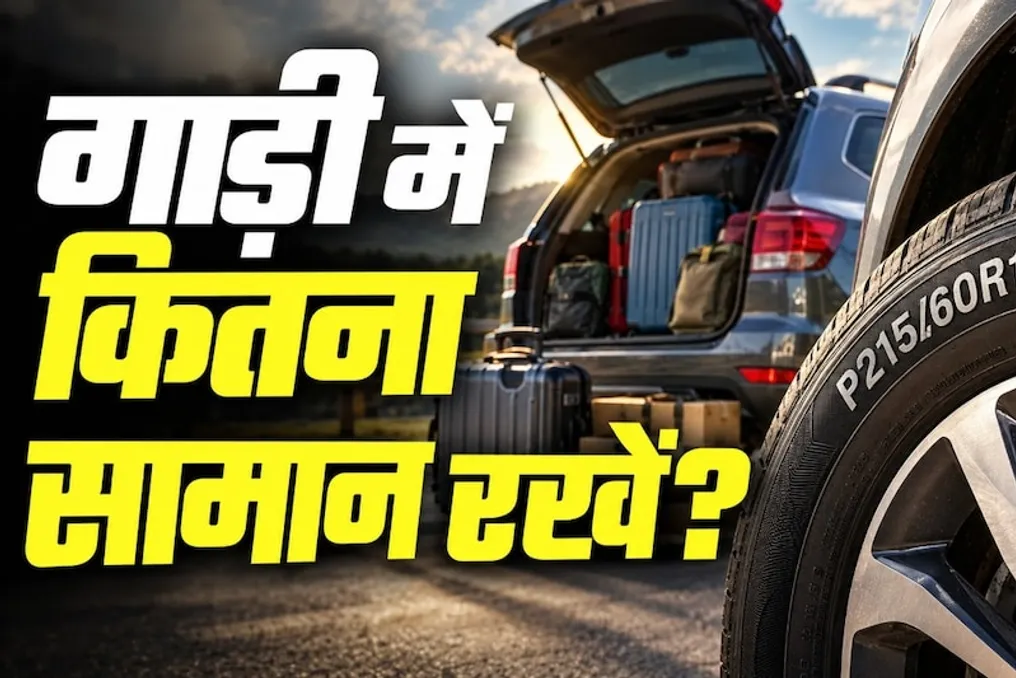
Upon close inspection of the tires of a car or motorcycle, various numbers and letters are visible on their sidewall, such as P215/60R16 95H. Although this may seem like a complex code at first glance, it actually contains a lot of important information about the tire. These designations allow you to determine the tire width, the appropriate wheel size, the permissible load, and the maximum speed.
The code inscribed on the tire sidewall has a specific meaning for each number and letter. Let's examine it in parts.
The letter P at the beginning of the code indicates that the tire is designed for passenger vehicles. Similar tires are often found on standard cars. If LT is present in the marking, it means Light Truck, and these tires are used on some pickup trucks and light commercial vehicles. The absence of an initial letter may indicate that the tire is manufactured according to a different sizing system.
The number 215 denotes the tire width, which is indicated in millimeters; therefore, 215 means a width of approximately 215 millimeters. This figure reflects how wide the tire is from one edge to the other.
Next comes the number 60, which is called the Aspect Ratio. Simply put, this is a value related to the height of the tire sidewall. The value 60 indicates that the sidewall height is 60 percent of its width. When the Aspect Ratio decreases, the sidewall becomes lower, and when it increases, it becomes higher, which affects handling and driving comfort.
The letter R stands for Radial, corresponding to the radial construction used in most modern cars. Following this, the number 16 indicates the wheel diameter, meaning the tire is designed for a 16-inch wheel. Therefore, when replacing tires, it is crucial to ensure that the size matches your vehicle's wheels.
The number 95 represents the Load Index, which determines the maximum weight that a single tire can support. It is important to remember that the Load Index is just a number, and the actual load capacity is determined according to the established standards table. Thus, when buying a new tire, it is not enough to only look at the width and wheel size.
At the end of the code, the letter H denotes the Speed Rating, or speed index. For example: S is up to 180 km/h, T is up to 190 km/h, and H is up to 210 km/h. However, this does not mean that the driver must drive at that speed; it only indicates the maximum speed for which the tire is certified under certain conditions.
When replacing tires for a car or motorcycle, you should not make a purchase based solely on appearance or assumptions. You must check the size, Load Index, and Speed Rating indicated on the tire. Additionally, you can cross-reference this data with the tire size information provided in the vehicle's Owner's Manual. If necessary, it is recommended to consult tire specialists. Thus, the next time you see a code like P215/60R16 95H on a tire sidewall, you should not be alarmed; this small code contains critically important information about the tire's width, sidewall, wheel size, load capacity, and speed.