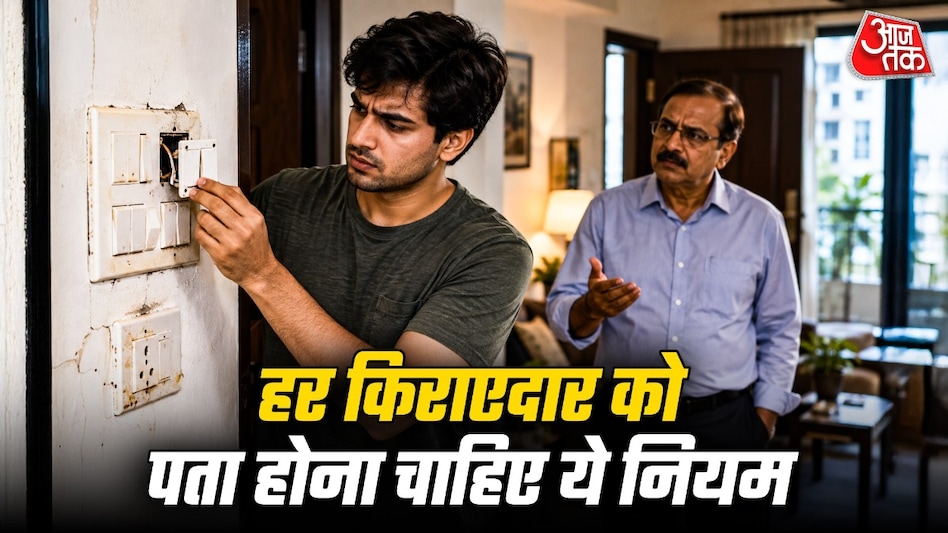
When living in a rented home, minor malfunctions sometimes occur, such as an electrical switch stopping working, a socket failing, or a fan regulator breaking down. In such situations, a question often arises between the homeowner and the tenant about who should cover the repair costs. Before resolving this issue, it is crucial to determine the cause of the malfunction, as not all types of repairs are the tenant's responsibility.
Landlord's Responsibility for Normal Wear and Tear
If any part of the house, such as a switch, socket, or other electrical equipment, fails due to natural aging during normal use, the responsibility for its repair generally lies with the homeowner. That is, if a switch breaks after prolonged use and the tenant is not at fault, demanding payment from the tenant is considered incorrect. Similarly, the tenant is not obligated to pay for necessary repairs that have become due to time under normal household use.
Costs Due to Tenant Negligence
The situation changes if the switch or socket is damaged due to negligence or improper use by the tenant. For example, if someone hits the switch hard or damages it improperly, the repair or replacement costs may fall on the tenant.
It is Necessary to Review the Lease Agreement
When renting accommodation, a lease agreement is concluded between the homeowner and the tenant, which may specify conditions regarding repairs. Therefore, when a dispute arises over any expenses, one should first refer to this agreement. Many agreements stipulate that minor repairs are the tenant's responsibility, while major repairs are the homeowner's. Thus, it is much more important to rely on written terms than on verbal agreements alone.
What to Do in Case of a Dispute?
If a disagreement arises between the homeowner and the tenant regarding a switch or other electrical device, it is first necessary to establish whether the failure was due to normal wear and tear or someone's fault. Then, you should check the terms outlined in the lease agreement. If the dispute is not resolved, you need to familiarize yourself with local housing legislation and the rules of relevant authorities, as rental rules can vary depending on the state and local laws. In the case of a switch failure due to normal wear and tear, the homeowner generally bears the cost, whereas in case of damage due to tenant fault, the tenant may assume the cost. First, you should check the terms of your lease agreement.