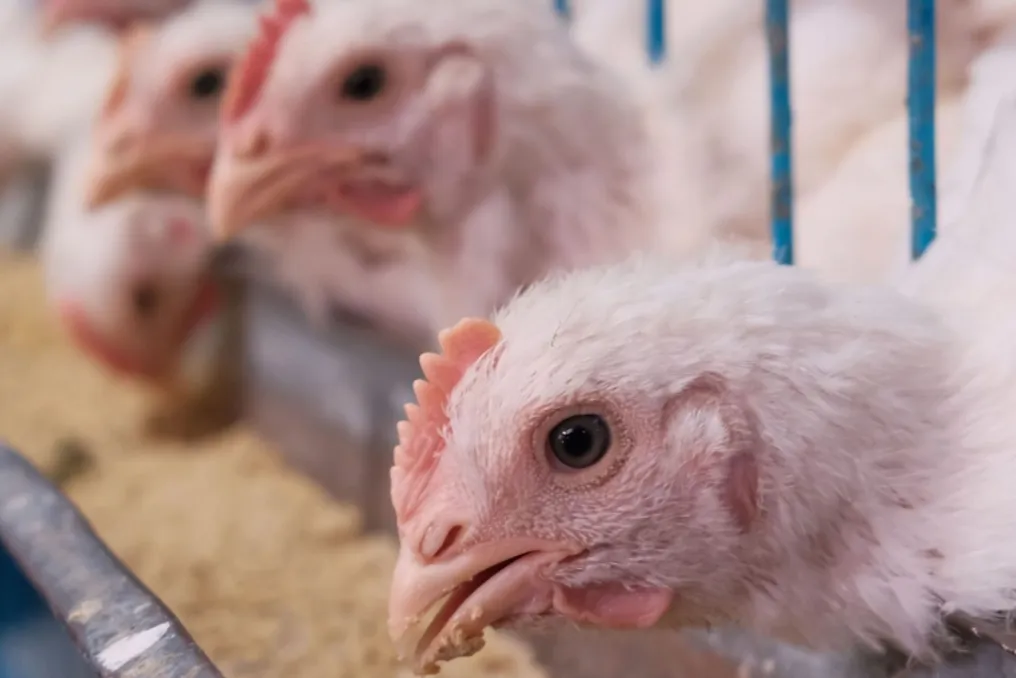
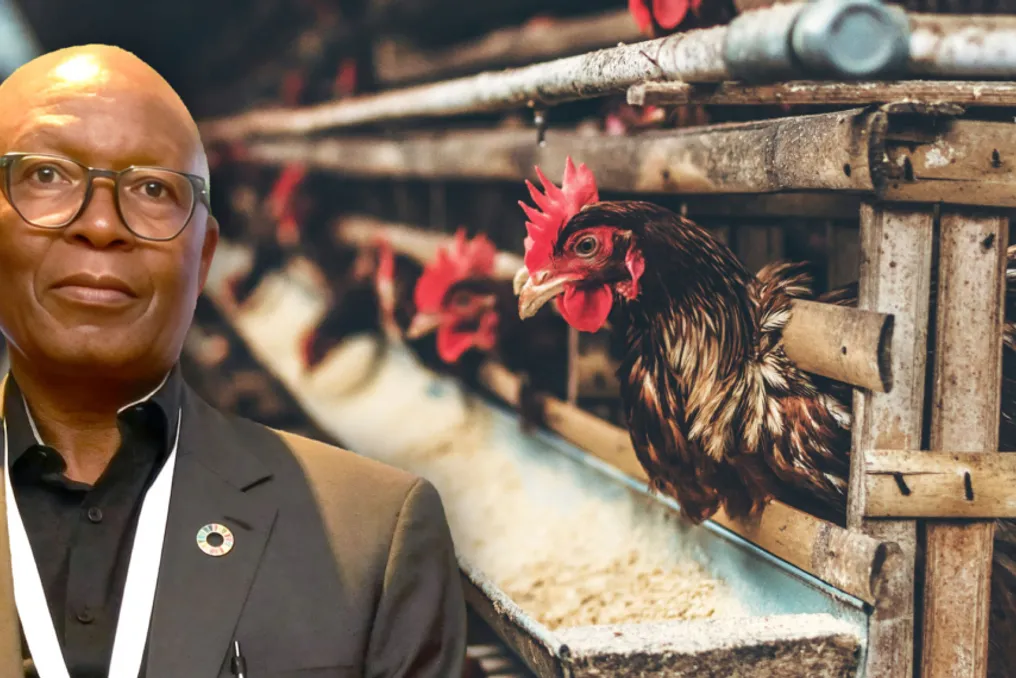
High feed costs negatively affect poultry producers in Africa, notes Ishmael Sunga, CEO of Sacau. He argues that with decisive policy, patient financing, and partnerships with commercial farmers, a foundation can be built for a new generation of youth-led enterprises in corn, soy, and feed production.
Africa faces a choice: either continue to view high poultry feed expenses as an inevitable burden for farmers and consumers, or transform this crisis into one of the most practical opportunities for youth employment and agribusiness development on the continent.
The second option requires boldness, coordinated action, and a willingness to look differently at the relationship between food systems, finance, and youth entrepreneurship. Poultry farming is already one of the most accessible ways to enter agriculture because it starts up faster than many other livestock ventures, meets the growing demand for affordable protein, and creates jobs in production, services, logistics, processing, and retail.
However, the industry is constrained by one persistent problem: feed is expensive, unstable, and often unreliable. When prices for yellow corn and soy rise, small and medium-sized poultry producers feel the impact immediately. Margins shrink, expansion plans halt, and promising youth enterprises are forced into survival mode.
Nevertheless, a powerful market signal is hidden within this problem. Since feed is the main cost factor in poultry farming, reducing these costs is not just a technical issue but a business opportunity.
Africa needs more local production of yellow corn and soy, strengthened aggregation, improved storage, increased oilseed processing, development of feed mills, and smarter distribution systems. These are not abstract needs; they are business opportunities waiting for organization, funding, and transfer to ambitious young agri-entrepreneurs.
The response must be decisive: targeted, large-scale support for small and medium-sized yellow corn and soy producers led by youth, linked to real markets and connected to existing commercial infrastructure.
Young people should not be drawn into agriculture only through slogans, competitions, and short-term training programs. They need access to land, resources, mechanization, irrigation, financing, storage, buyers, mentorship, and predictable sales channels.
This is where large commercial farmers can play a crucial role. They should be viewed not merely as charitable mentors but as strategic anchor partners capable of helping to form creditworthy clusters of young producers around real feed demand.
They can provide terms for land access, production planning, support for mechanization and irrigation, resource procurement, drying, storage, quality control, market aggregation, and technical supervision. This is not a call for charity, but a demand for strict commercial partnership.
Large commercial farmers already possess much of the infrastructure lacking among young producers: equipment, irrigation, storage, technical systems, resource supply networks, banking relationships, and market knowledge. If these assets are intentionally opened up through fair and structured partnership, they can become a launchpad for youth-owned production, not a barrier to entry.
A real breakthrough will occur when commercial farmers can act as wholesale financial institutions for young producers. Many established farmers have stronger balance sheets, collateral, credit history, and bank connections. They can arrange larger credit lines in commercial banks, development institutions, and mixed financial instruments, and then channel support to young supplier farmers through resource packages, mechanization services, crop establishment support, working capital advances, and post-harvest services.
This makes agricultural financing more practical. Banks are often reluctant to lend to individual young producers due to limited collateral, thin credit history, and high transaction costs. But when young producers are organized around reliable anchor farmers, proven production plans, insurance, and repayment agreements through product delivery, lending becomes less speculative and more creditworthy.
The anchor farmer benefits from service income, better infrastructure utilization, and expanded supply. The young producer gains financing, resources, skills, and market access. The lender wins from structure and oversight. Everyone has a reason to support the system's operation.
For the idea to translate into real impact, government policy must be uncompromisingly targeted. Governments, central banks, development institutions, and private lenders must stop viewing youth agribusiness as a marginal development project and start treating it as strategic economic infrastructure.
Fiscal incentives must lower the entry threshold. Monetary support must make financing patient and accessible. Incentives for commercial farmers should reward those who genuinely integrate young producers into productive, fair, and scalable value chains.
The fiscal package must be practical and targeted. Tax holidays or temporary tax exemptions should be provided to relevant youth-led enterprises involved in corn, soy, aggregation, oilseed processing, and feed production. VAT or refunds should apply to certified seeds, fertilizers, lime, inoculants, irrigation equipment, storage equipment, and feed production machinery. Duty-free or reduced import of specialized equipment that can lower the cost of mechanization, processing, drying, and quality testing should be permitted.
Accelerated depreciation allowances can stimulate investment in irrigation, storage, renewable energy, mechanization, and asset processing. Investment tax credits can support youth-owned aggregation centers, grain silos, oil presses, and feed development units.
The monetary package must be equally well thought out. Specialized agricultural financing windows for youth should offer preferential interest rates, interest rate reductions, seasonal production loans, grace periods aligned with crop cycles, working capital loans, and longer repayment terms for productive assets.
No serious agricultural financing system should require repayment schedules that ignore the realities of soil preparation, planting, resource application, harvesting, drying, storage, and sale.
Loan guarantees and risk-sharing mechanisms will be crucial. Many young producers lack collateral and long credit histories, even if they have viable production capabilities. Partial loan guarantees, first-loss mechanisms, portfolio guarantees, and insurance-linked lending can encourage banks to issue loans while protecting public resources from unlimited risks. These tools must be transparent, performance-based, and independently monitored.
Commodity note financing should also become part of the solution. Young producers and aggregators should be able to store grain in certified warehouses, receive notes, and use these notes as collateral for short-term loans. This helps them avoid selling in desperation immediately after harvest, improves price negotiations, and strengthens formal commodity markets.
Commercial farmers also need a clear incentive to participate on a large scale. The package should include discounts on interest rates for wholesale services, partial loan guarantees for young producer portfolios, tax deductions for verified auxiliary services, accelerated depreciation for common assets, grants for co-financing irrigation and storage, and duty exemptions on specialized equipment. Performance bonuses should reward anchor farmers whose youth clusters meet production, repayment, quality, and market obligations.
Non-financial incentives are also important. Status as an approved anchor partner, priority access to public-private partnership opportunities, participation in structured feed reserve procurement, technical assistance for supply chain management systems, support for digital traceability, and the right to green financing can make the model attractive to commercial farmers while strengthening accountability.
Of course, the model must be protected from capture and abuse. Young producers must never become invisible labor hidden in someone else's balance sheet. They must remain recognizable economic entities with fair contracts, transparent deductions, timely payments, access to dispute resolution, measurable skills transfer, and a path to building their own assets, credit histories, and market connections. Inclusivity without economic agency is not empowerment.
A broader opportunity extends beyond crop production. Young agri-entrepreneurs can create businesses in feed production, corn and soy aggregation, oilseed meal supply, alternative feed ingredients, digital feed consulting services, wholesale purchasing, last-mile delivery, quality control, and logistics.
In other words, the goal should not just be increasing grain production, but building an integrated youth feed economy.
The prize is too important to ignore. If done correctly, this model can reduce feed costs, stabilize feed supply, strengthen poultry enterprises, expand rural and peri-urban employment, deepen youth ownership of agricultural chains, and help make animal protein more affordable for consumers. It can create regional feed hubs, youth service networks, and integrated poultry systems linking feed, production, finance, veterinary services, and markets.
Africa has all the ingredients for this breakthrough: young people eager for opportunities; growing demand for poultry products; commercial farmers with infrastructure and experience; financial institutions seeking creditworthy agricultural models; and governments under pressure to create jobs and ensure food security. What is missing is not potential. What is missing is the political courage to unite these assets into one focused program.
The message is simple: do not waste the feed crisis. Use it. Use it to create corn and soy production businesses owned by youth. Use it to bring commercial farmers into a fair anchor partnership. Use it to stimulate innovation in agricultural finance. Use it to lower poultry production costs and expand access to affordable protein. With bold incentives, disciplined implementation, and genuine partnership, today's poultry feed crisis can become tomorrow's youth agribusiness revolution.