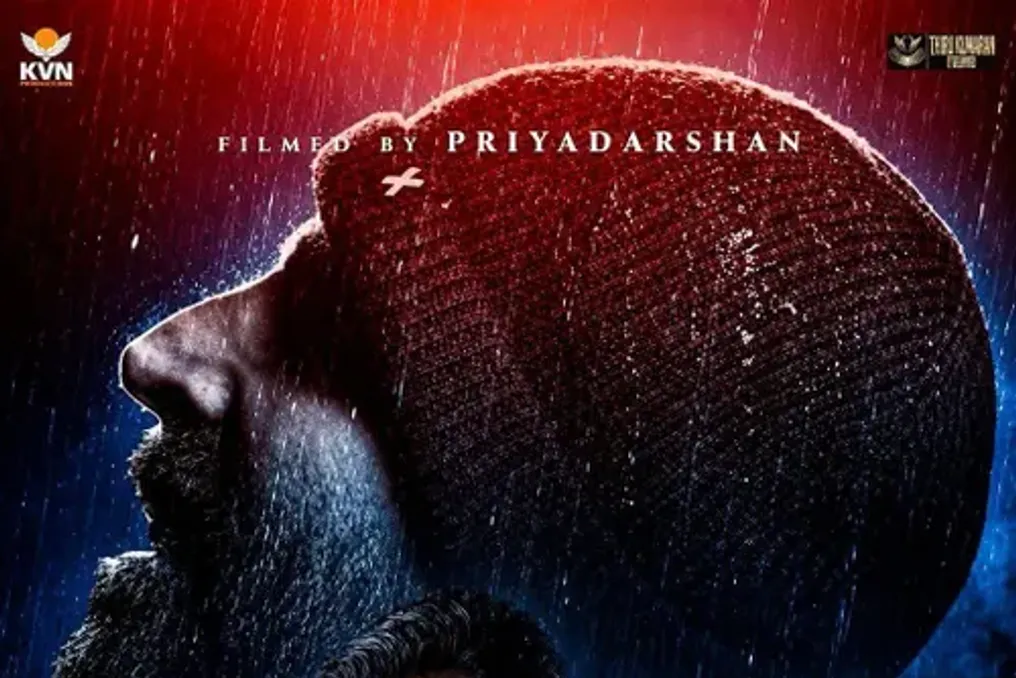
The latest thriller from Priyadarshan takes the plot of his Malayalam film 'Oppam' and transforms it, offering an unexpected twist in the familiar chase genre.
The film stars Saif Ali Khan, Akshay Kumar, Boman Irani, Saiyam Keeer, and Shriya Pilgaonkar. Priyadarshan directed the movie, which received a rating of 6 out of 10.
The first half of the film is dedicated to the slow unveiling of characters and the moral foundations of the narrative. Priyadarshan creates an atmosphere of anxiety, but the screenplay constantly introduces secondary storylines, additional characters, and comedic digressions, ultimately leading to a feeling of being overloaded, as if it were an AI-generated poster.
The inconsistency in tone negatively affects the work. At one moment, the film touches upon themes of trauma and family destruction, and at the next, the police act as if they came from one of Priyadarshan's comedies.
It is interesting that Priyadarshan excels at combining darkness and humor; his best works often find comedy in human absurdity rather than simply placing jokes next to serious scenes. Here, the transitions are so abrupt that it seems two directors are fighting for the same chair.
Saif Ali Khan is magnificent. He does not display desperate signs of playing a blind man; he makes the viewer perceive the character Shyam as a personality, not as a cinematic gimmick. His movements and reactions possess natural intelligence, and he carries the emotional weight of the film almost effortlessly.
Akshay Kumar presents a different story. Parshuram should inspire terror because his rage is shaped by tragedy, but Kumar often looks like he is trying too hard to appear dangerous. His performance seems strained, and it is evident that the actor is reaching for darkness instead of dissolving into it. The difference between these two actors becomes increasingly apparent.
This is especially noticeable given their shared experience in films such as 'Yeh Dillagi', 'Main Khiladi Tu Anari', 'Tu Chor Main Sipahi', 'Keemat', 'Aarzoo', and 'Tashan'. Their history gives 'Haiwaan' a unique opportunity to contrast two actors who have evolved into very different performers. Khan is capable of making internal thought visible, while Kumar uses cinematic physical behavior. 'Haiwaan' needed both these qualities, but instead, Khan gets the character, and Kumar gets the costume.
Boman Irani lends dignity to the guilt-ridden judge, although the script repeatedly requires the audience to make decisions that demand more explanation than the film provides. Shriya Pilgaonkar, Saiyam Keeer, Radjal Yadav, and Sharib Hashmi also have their moments, but most of them are confined to roles designed to embellish the film rather than deepen it. It was wonderful to see the late Asrani on screen one last time.
There was potential here for a magnificent, primal game of cat and mouse. Divakar Mani's camera could not create the striking silhouettes and visual tension that would be sufficient and necessary for this kind of cinema. I felt that the framing composition was not dense enough to evoke a sense of complete immersion in the scene.
'Haiwaan' is not devoid of talent, and that is what causes the disappointment. A true thriller is hidden within this 164-minute film. Unfortunately, it could have worked if it had stronger, shorter editing, better background music, and higher quality cinematography.
The blind man sees danger, and the viewer sees it too. Unfortunately, the script does not make this happen.
By the end of the viewing, the film reaches the cinematic equivalent of attending five parties in one evening: you were everywhere, but you are unsure why.