Railways have always played a significant role in connecting various regions of Iran, but today they can offer much more than just transportation services. Thanks to its rich cultural heritage, historical cities, and diverse natural landscapes, Iran possesses enormous potential for developing railway tourism. Traveling by train allows tourists to discover the country in a completely new way, making the journey itself an integral part of the experience.
Growing Potential of Railway Tourism in Iran
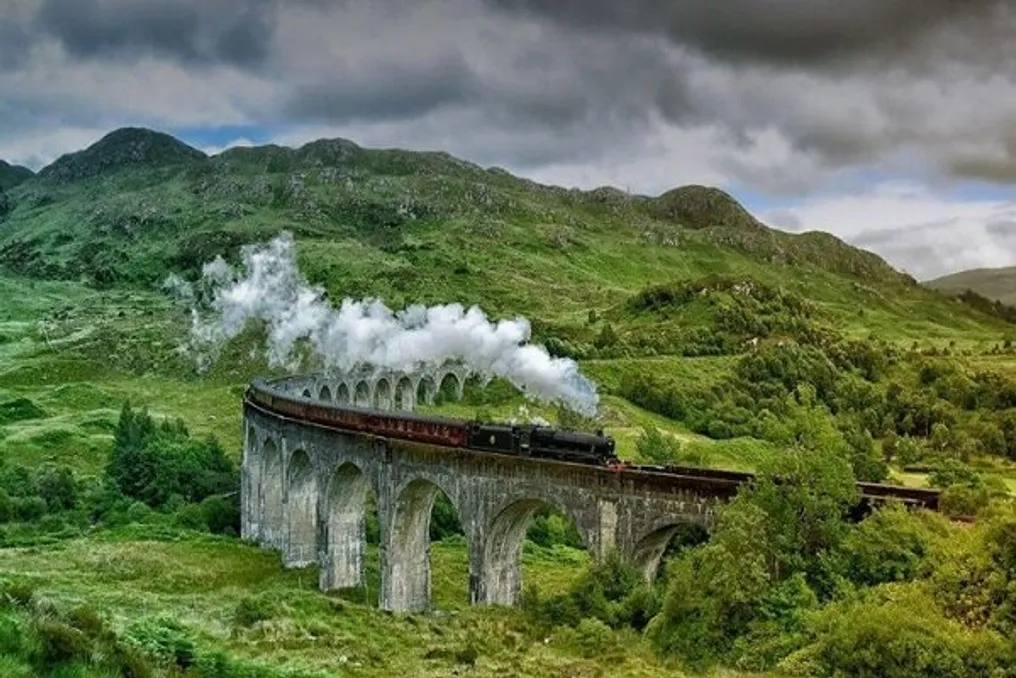
The development of the railway industry in Iran began in the 19th century when it was used for various purposes. Currently, this industry is striving to occupy a new niche in the field of tourism. Iran is a country with magnificent nature and scenery, and the railway network passes through these landscapes, crossing forests, rivers, mountains, and many other places. This goes beyond simple transit; it is a tourist experience in itself. Both locals and foreigners are aware of this, which contributes to the growth of railway tourism in Iran.
Why Explore Iran by Train?
As in many other countries, there are several modes of transport for exploring Iran, and trains are one of them, possessing several advantages. Firstly, Iran's railway network can take tourists through very different environments—from the untouched northern forests and mountains of Iran to the southern coast of the Persian Gulf, which cannot be fully explored by other means of transport. Secondly, rail travel is a more environmentally friendly mode of transport due to reduced energy consumption and less environmental pollution. Thirdly, among other modes of transport, trains can be a safer choice for travelers. The next factor is price: train tickets in Iran are cheaper than airfare. They cover the same distance at a lower cost, which is an attractive criterion for those wishing to see large areas of Iran. Finally, railway tourism can attract a large number of visitors to small towns and suburbs, providing economic benefits and creating jobs for the local population, especially in accommodation, restaurants, and crafts.
Historical Cities Connected by Iran's Railway Network
One of the factors that makes railway tourism an interesting choice is the connection between historical cities provided by Iran's railway network. There are four main railway corridors for the tourism industry. The first is the northwest corridor, which connects Tehran, Qazvin, Zanjan, and Tabriz. All four cities have played an important role in Iranian history and remain significant centers in modern Iran. The second corridor, perhaps known as the best route for railway tourism in Iran, connects Tehran, Kashan, Isfahan, Yazd, and Kermanshah. All these cities are major Persian heritage sites with rich histories from different eras of the country. Furthermore, this route includes many unique desert landscapes.
The third route passes through Tehran, Mashhad, and Neyshabur. This route is predominantly used for religious purposes; people wishing to visit the holy site of Imam Reza can use this railway. The 'Fadak' train is a famous luxury train that carries passengers on this route. Although this route is known for its religious focus, it can also be used to visit historical cities of Iran that were once connected to the Silk Road. Finally, the last route connects three cities: Tehran, Ahvaz, and Shush. This section has great potential to become an archaeological railway route of Iran. This part of Iran was home to early civilizations, and the region is now rich in archaeological monuments such as Susa, Choghang Zanbil, and Haft Tappeh.
From Deserts to Mountains: Landscapes Along the Way
As mentioned earlier, Iran's railway corridors connect different parts of the country. This network offers an amazing journey from northern Iran, where the Alborz mountain range and its forested slopes are located, to southern Iran with its pristine desert landscapes. Buying train tickets in Iran gives travelers the fantastic opportunity to experience such geographical diversity simultaneously.
Iran's Railway Heritage and Cultural Tourism
The significance of railways in Iran increases when we understand that they serve not only as a means of transport but also as a tool for cultural tourism. Buying train tickets in Iran provides travelers with two opportunities. Firstly, they get to see different types of landscapes during the journey. Secondly, they pass through cities with rich historical pasts. These historical cities allow tourists to visit archaeological sites, traditional villages, museums, cultural attractions, local and traditional markets, and ancient monuments. Through these places, people can discover ancient Persian culture, architecture, and beliefs. This process promotes the development of cultural tourism through Iran's railway heritage.
Planning a Railway Trip Across Iran
Planning a train trip across Iran is an excellent way to combine the most essential aspects of travel: transport, cultural tourism, and eco-tourism. This planning does not require much effort. First, travelers must decide which route they want to choose, which depends on their personal interests and preferences regarding the desired experience and places to visit. The second step is buying tickets. Train tickets in Iran can be purchased online on the Raja website, through travel agencies, and at authorized ticket offices at railway stations. Undoubtedly, this railway journey will be an unforgettable experience for tourists.
Train Tours and New Ways to Experience Iran
Unlike conventional tourism worldwide, railway tours in Iran do not force travelers to think only about the final destination; they turn the journey itself into part of the experience. In recent years, many trains, such as 'Fadak', provide passengers with first-class amenities during the trip, creating a sense of home comfort. Meanwhile, passengers can enjoy the various and wonderful landscapes of the country along the route. These changes have transformed the role of the railway industry in Iran and continuously contribute to the growth of railway tourism.
The Future of Railway Tourism in Iran
As mentioned, there is huge potential for railway tourism in Iran. This country boasts well-developed railway corridors, rich cultural heritage, and diverse landscapes, enough to change the future of this industry in Iran. In the future, train tickets in Iran will become not just a means of transport, but gateways to the depths of history and hidden natural wonders.
Discovering Iran Beyond the Destination
Railway tourism allows travelers to experience Iran beyond the endpoint. The journey itself is an opportunity to feel different landscapes, cultural heritage, and historical cities, and to interact with local people while traveling between destinations. It is a chance to appreciate the stories and hidden treasures that lie between them. Moreover, train travel is a slower experience. Instead of rushing from one place to another, travelers have time to observe and interact.
In conclusion, Iran's railway industry has all the factors for developing railway tourism in the country. Iran's historical cities, unique landscapes, and cultural heritage can turn a train ride into an unforgettable experience. By developing railway amenities and planning attractive tours, Iran can attract many domestic and international tourists.