When 35-year-old Sima entered a pharmacy in Tehran, her gaze quickly scanned the shelves behind the counter looking for a package that was supposed to prevent kidney failure. Without this medication, she had little time left.
She eventually found the necessary drug at the seventh pharmacy she visited in a wealthy district of Tehran. However, her relief faded when the pharmacist informed her about a new price increase, forcing her to take the vital medicine in smaller doses.
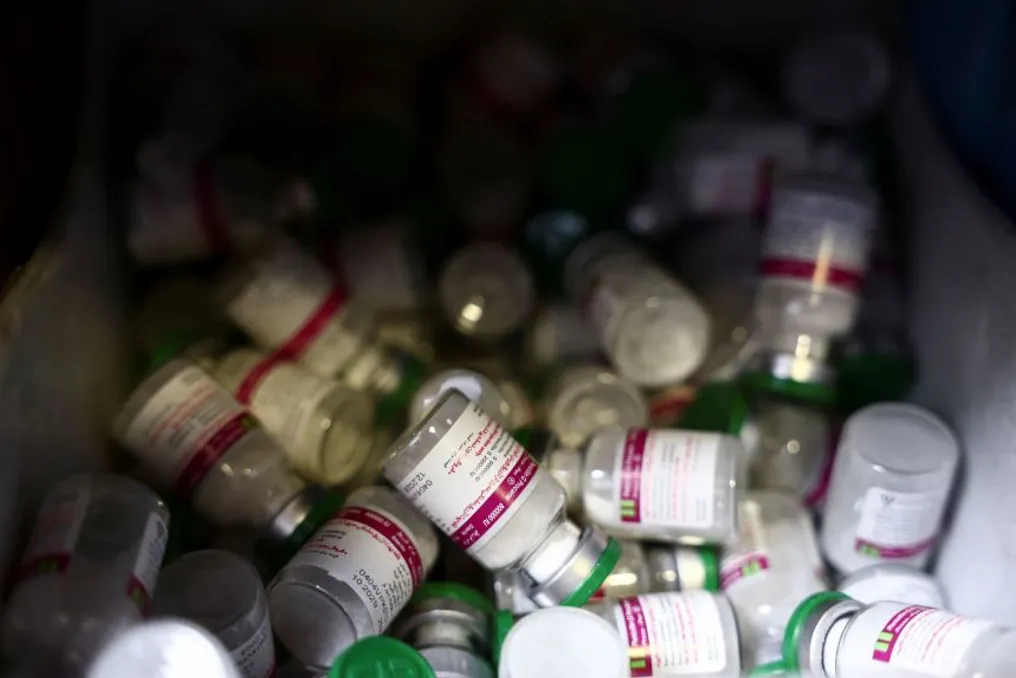
As US sanctions strangle the Iranian economy, ordinary people with chronic and serious illnesses face difficulties finding essential life-saving medications. Due to acute shortages and daily price increases, many like Sima are forced to reduce dosages, postpone doctor visits, or self-medicate.
Sima, who wished to remain anonymous to CNN for freedom of expression, stated: 'They have stopped using anti-cancer drugs for people they consider terminally ill or in late stages. They only use them for those in the earliest stages.'
A mother in Tehran who lost her only daughter was forced to replace an antidepressant with a less effective local version. This year, seasonal flu vaccinations were canceled because the government failed to purchase them in Europe. Cancer patients are selling their televisions and refrigerators to afford expensive medicines.
A 55-year-old cancer patient, who asked to remain anonymous, also stated that options were exhausted. 'I asked if people visiting or returning from abroad could bring my medicine, especially what we cannot find or access here,' said the patient living in Tehran to CNN. 'Between illness and war uncertainty, I don't know what to do.'
Pharmacies in Iran contacted by CNN confirmed shortages and price hikes across several categories, including cardiac drugs, which are now offered as local generics instead of prescribed brands, cholesterol-lowering pills, which are available but significantly more expensive, and migraine medications, which have completely disappeared from store shelves.
However, Iranian media indicates that the shortage is much broader, affecting everything from antidepressants to insulin and maternal medications. Other drugs are becoming completely unavailable, leaving sick Iranians to choose between astronomically high prices or less effective generic versions.
Shahram Kalantari, head of the Iranian Pharmacists Association, announced at a press conference last month that the shortage has affected nearly 800 medicinal products, and pharmacies cannot find alternatives due to rising costs.
The cancer patient added during a phone call: 'Everyone says we are brave. But I don't know if bravery matters when you are dying.'
Mehdi Pirsalehi, head of the National Organization for Food and Drug Control, stated in February that Iran produces over 97% of its medicines by volume. Imported specialized drugs, which require payment in foreign currency, are suffering the most. The shortage of these drugs has intensified under the campaign of maximum pressure by US President Donald Trump, which tightened controls on Iranian banks and hindered oil exports—the main source of foreign currency for the Islamic Republic.
Peivan Bastani, a senior lecturer at Flinders University and co-author of a study on the impact of sanctions on pharmaceutical procurement in Iran, noted: 'This high level of domestic production does not necessarily mean complete self-sufficiency. Local production can still depend on imported materials, equipment, and technology, while some specialized and expensive medicines must be imported.'
According to Iranian officials, pharmacies cannot replenish stocks because insurance companies have stopped paying them. Even though millions of Iranians are insured, presenting a policy at a pharmacy usually yields no result or requires the patient to pay out of pocket.
Uncontrolled inflation, the collapse of insurance payouts, and the government's inability to sell oil and obtain the necessary foreign currency to repay pharmacies' debts have undermined the supply chain. According to representatives of the Iranian Pharmacists Association, over 18,000 private pharmacies nationwide are awaiting payments from insurance companies, and outstanding insurance debt owed to pharmacies reaches nearly 800 trillion rials ($300 million).
Shahram Kalantari, head of the association, stated at a news conference last month: 'These pharmacies can no longer afford to continue investing their own capital and then wait a year to receive the due payments.'
Iranian state media reported that American and Israeli airstrikes in Iran earlier this year damaged over 40 pharmaceutical companies, equipment suppliers, and distributors. Mohammad Hashemi, a representative of the Iranian Food Control Agency, told Iranian state media in June.
At the end of March, Israel attacked the factory of a major Iranian pharmaceutical company, Tofigh Daru, which produced active ingredients for anti-cancer drugs and anesthetics. The Israeli army claimed the company supplied fentanyl to an Iranian structure involved in 'chemical weapons research and development,' which the company denied.
The airstrikes also damaged the historic Pasteur Institute, founded over a century ago. The medical journal The Lancet reported that the attacks destroyed 'critical reference laboratories, including those for genomic surveillance, rabies, HIV/AIDS, viral hepatitis, and zoonotic diseases.'
Last month, US Treasury Secretary Scott Bessent announced that the US would restrict the complex network created by Iran over the years to circumvent Washington's widespread sanctions—a move intended to pressure Iran amid the lack of a diplomatic solution.
Washington allowed transactions related to 'agricultural goods, food, medicines, or medical devices into Iran' but added certain safeguards to ensure such goods 'are not diverted by the Iranian regime to finance its malicious goals.'
In 2019, the US imposed sanctions on the Central Bank of Iran and since then has asked foreign governments and institutions seeking protection for payment channels to voluntarily provide Washington with additional information on any drug supplies to Iran, including buyer details and a written commitment that they will not be resold to a sanctioned person or entity.
Last week, the US administration tightened rules regarding other licenses, adopting a 'presumed denial' stance on some licenses and stating that applications would be reviewed on a case-by-case basis.
Experts note that the laborious bureaucratic process has deterred international firms from doing business with Iran. Bastani of Flinders University stated: 'Sanctions can impede financing and international payments, reduce the willingness of foreign banks and suppliers to work with Iranian buyers, and complicate the procurement and import of medicines, pharmaceutical raw materials, and production technologies.'
Although leading Iranian pharmaceutical companies themselves are not under sanctions, several of the largest are linked to sanctioned charitable conglomerates or sanctioned individuals. For example, Barkat Pharmaceutical Group, one of the country's largest drug manufacturers that managed COVID-19 vaccine production, is linked to the Execution Order of Imam Khomeini, a sanctioned body directly subordinate to the Supreme Leader.
Erich Ferrari, founder of a Washington firm specializing in sanctions and enforcement, pointed out another problem: 'Over-compliance.' Banks or trading partners may deem a transaction too risky. Ferrari told CNN: 'Even if you can identify the parties and intermediaries who are not sanctioned, you still need to find banks willing to conduct the transactions and willing to take the risk. Banks might say: 'We actually don't know who is who in Iran, how the funds will flow, where the money comes from, so let's just not do business.'
Iran negotiated with the US to unfreeze some funds held in Qatar for humanitarian purposes. These negotiations subsequently stalled as Tehran focused on negotiations regarding the future of the Strait of Hormuz, while Washington returned to diplomacy.
Ferrari concluded: 'Day by day it gets harder. I am actually amazed at how Iranians have managed to survive for so long, given how burdensome the sanctions regime is.'