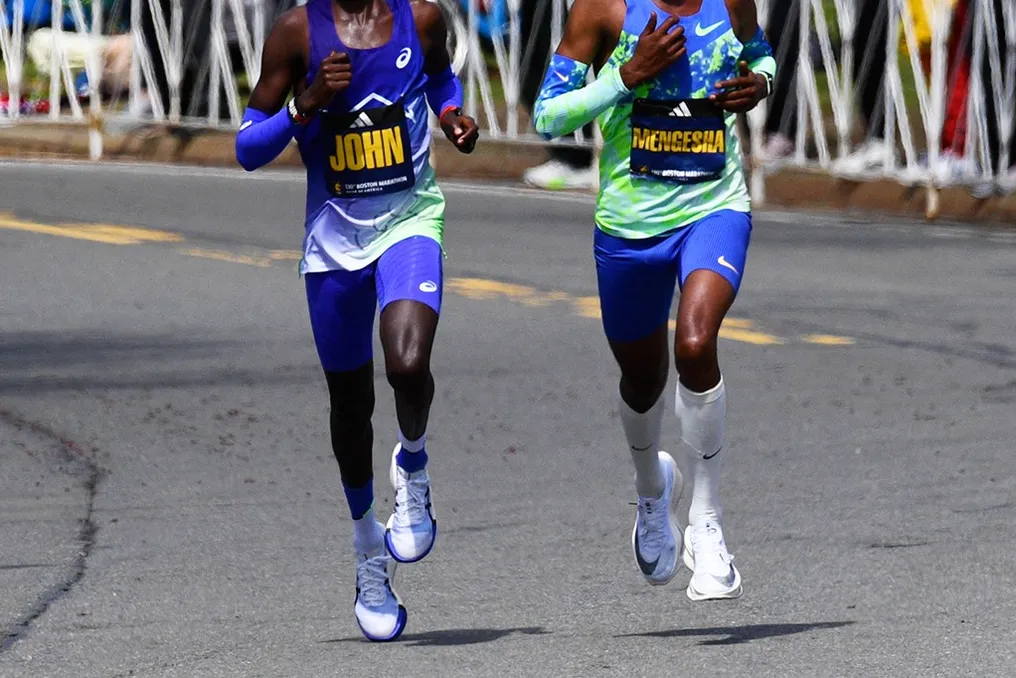
Street running has experienced significant growth, with a continuous increase in the number of participants and events, driven by the pursuit of better health, well-being, and quality of life. It is estimated that nearly 12 million people completed street races in Brazil between 2023 and 2025, and this trend is expected to intensify.
However, this advancement brings with it a growing concern about the emergence of overload-related injuries, particularly affecting amateur runners and beginners. The problem lies not in physical activity itself, but in the way many people start practicing without having adequate physical preparation.
Moisés Cohen, an orthopedist at Einstein Israelite Hospital, emphasizes that running is one of the most accessible activities, as it only requires a pair of shoes to improve fitness, aid in weight control, reduce cardiovascular risks, optimize sleep, and enhance quality of life. However, he warns that running is a repetitive and high-impact sport movement, requiring a process of bodily adaptation.
The human body absorbs and returns energy with every step. When this energetic demand increases progressively, muscles, tendons, bones, and joints are able to adjust. The risk arises when the individual tries to progress too quickly.
Common Risks and Injuries
Injuries frequently occur because many runners set very high goals right from the first few months of training, simultaneously increasing mileage, speed, and frequency of runs, which is not advisable, especially without professional supervision. Among the most frequent problems are anterior knee pain (patellofemoral syndrome), iliotibial band syndrome (lateral knee pain), shin splints, Achilles tendonitis, plantar fasciitis, as well as muscle injuries and stress fractures.
Cohen uses the analogy of a bank account to explain the process: each workout acts as a debit, while rest, muscle strengthening, proper nutrition, and sleep act as credits. An injury manifests when debits outweigh credits.
Differentiating Discomfort from Injury Pain
A common mistake among runners is considering that feeling pain is inherent to the sport. It is crucial to distinguish normal discomfort after intense exercise from pain that signals the beginning of an injury. Delayed muscle soreness is usually diffuse and symmetrical, disappearing within two days. In contrast, localized pains that always return to the same spot, worsen during the run, alter gait, or persist the next day, require medical investigation.
Other warning signs include swelling, decreased strength, or very specific bone pain. The doctor advises that the runner should not fear all pain, but rather that which modifies movement mechanics, recurs, and progresses.
Pillars of Injury Prevention
Contrary to popular belief, injury prevention does not necessarily begin with acquiring new shoes. Although comfortable footwear is relevant, it cannot correct training flaws. Moisés Cohen warns that shoes have an influence, but they are often overestimated, since no model compensates for excessive training, lack of rest, or muscle weakness.
To run without getting injured, the specialist points to three essential bases: gradually increasing intensity, dedicating oneself to muscle strengthening, and paying attention to the signals emitted by one's own body. Strengthening groups such as glutes, hips, core, quadriceps, calves, and feet helps in better absorbing the impact of running and protects the joints. Cohen states that strength training for the runner is not an aesthetic issue, but rather a 'sports life insurance'.
For beginners, it is recommended to alternate walking with running, limit training to two or three times a week, maintain a comfortable pace, and avoid the pressure of participating in competitions before establishing a solid physical base. It is concluded that those who respect the body's adaptation time maximize their chances of continuing to run for many years, maintaining health and satisfaction.