Iran is once again putting the Caspian Sea at the forefront of regional interaction by hosting the seventh meeting of the Parties (COP7) of the Tehran Convention. Officials emphasize that this event is an important opportunity to enhance international efforts to preserve the common marine environment.
Details of COP7
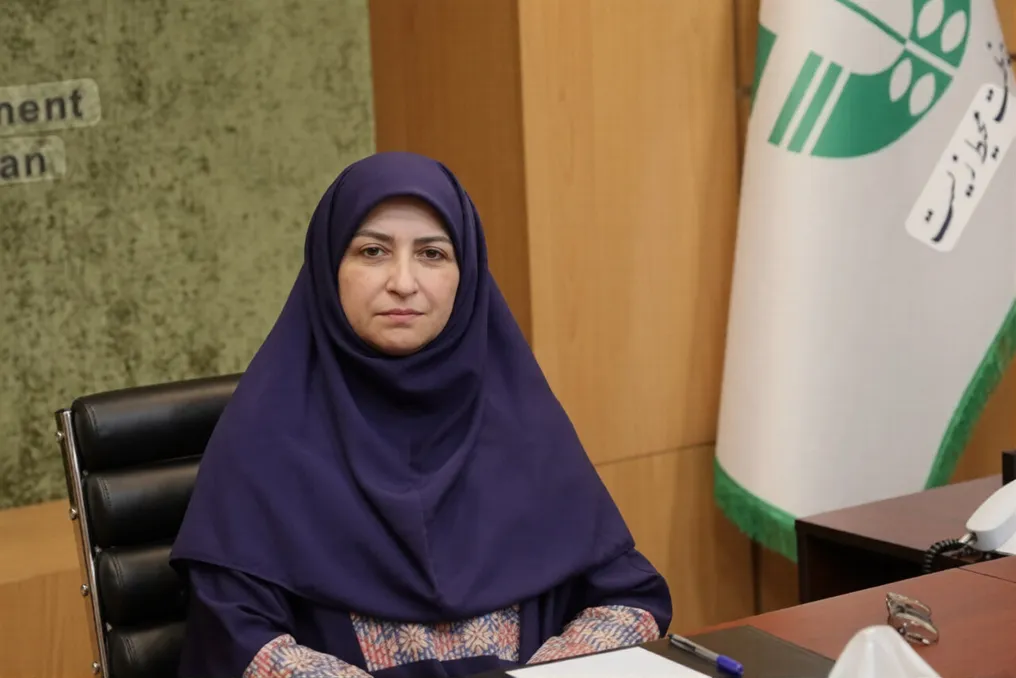
The seventh session of the Conference of the Parties (COP7) to the Tehran Convention on the Protection of the Marine Environment of the Caspian Sea is taking place in Tehran from September 20 to October 1. Shina Ansari, Head of the Department of Environment, noted that the conference, held after a three-year break, provides a significant opportunity to strengthen international cooperation on the protection of the Caspian Sea.
Ansari stated that the Department of Environment is organizing this international event with the aim of reviving the regional cooperation mechanism for the protection of the Caspian Sea. Expert meetings of COP7 have begun in Tehran, gathering representatives from the Caspian littoral states and international organizations. The expert sessions will last until Tuesday, after which a high-level meeting will take place on Wednesday.
Iran sought to provide a venue in the capital for addressing and subsequently monitoring the environmental problems of the Caspian Sea within the regional and international system. During the four-day meeting, participants will discuss key issues related to the protection of the Caspian Sea environment, regional cooperation, common challenges, and ways to improve interaction between coastal states. Decisions will also be made on relevant documents and issues agreed upon by the participating countries.
The head of environmental protection bodies emphasized that holding the meeting in Tehran was the result of continuous efforts by Iran and the Department of Environment to maintain the activity of regional mechanisms for the protection of the Caspian Sea. She added that organizing this international gathering offers a valuable chance to elevate Caspian Sea issues to a higher level of the regional agenda and pave the way for more effective cooperation among coastal countries.
Ansari stated that Iran will use regional and international dialogue to address crucial common problems related to the Caspian Sea and create a basis for joint solutions and practical measures to protect this body of water. At the conclusion of the event, the opinions and discussions of the participating countries will be summarized in a final declaration of the conference, reflecting the positions and areas of agreement of member states on the most important environmental issues of the Caspian Sea.
According to Ansari, the Caspian Sea represents a common natural heritage and a valuable asset for current and future generations. She stressed that holding the COP7 of the Tehran Convention in Tehran under the auspices of Iran and with the support of the Department of Environment is an important step towards strengthening regional and international cooperation for the protection of the Caspian Sea.
The Tehran Convention and its History
The Tehran Convention, which serves as the main basis for cooperation between the Caspian littoral states in environmental protection, celebrates its 20th anniversary this year since entering into force. The Islamic Republic of Iran will assume the rotation of the chairmanship of the Tehran Convention for the upcoming term.
The need for joint protection and management of the Caspian's environment and resources has long been a concern of the littoral states. In 1998, the Caspian Environmental Programme (CEP) was established as a regional initiative aimed at halting the deterioration of the Caspian Sea's ecological condition and promoting sustainable development for the long-term benefit of the Caspian population.
Since its inception, CEP has addressed various environmental problems by developing a coordinated management structure, creating Strategic and National Action Plans, and implementing transnational measures to eliminate immediate threats to the Caspian environment. CEP was financed by the littoral states, the European Union, and the international community through the Global Environment Facility (GEF). CEP worked to formalize its structure and activities by concluding the Tehran Convention.
In 2003, the Caspian littoral states—the Republic of Azerbaijan, the Islamic Republic of Iran, the Republic of Kazakhstan, the Russian Federation, and Turkmenistan—signed the Framework Convention for the Protection of the Marine Environment of the Caspian Sea (Tehran Convention). After ratification by all five governments, the Tehran Convention entered into force on August 12, 2006.
The Tehran Convention serves as a comprehensive legal framework establishing general requirements and an institutional mechanism for environmental protection in the Caspian Sea region. It is based on principles such as the precautionary principle, the 'polluter pays' principle, and the principle of access to and exchange of information. Two main areas of focus include (i) prevention, reduction, and control of pollution, and (ii) protection, conservation, and restoration of the marine environment. The Convention also contains provisions on environmental impact assessment, as well as general obligations related to monitoring, research, and ecological development.