Indian States Featuring Diverse Natural Landscapes: From Salt Flats to Blooming Valleys
Read more
The Better India
thebetterindia.com

Indian States Featuring Diverse Natural Landscapes: From Salt Flats to Blooming Valleys

India boasts incredible landscape diversity from one state to another; here you can find tea hills, giant waterfalls, blooming valleys, marble cliffs, and white salt deserts. The presented quiz offers a chance to guess the state based on descriptions of various types.

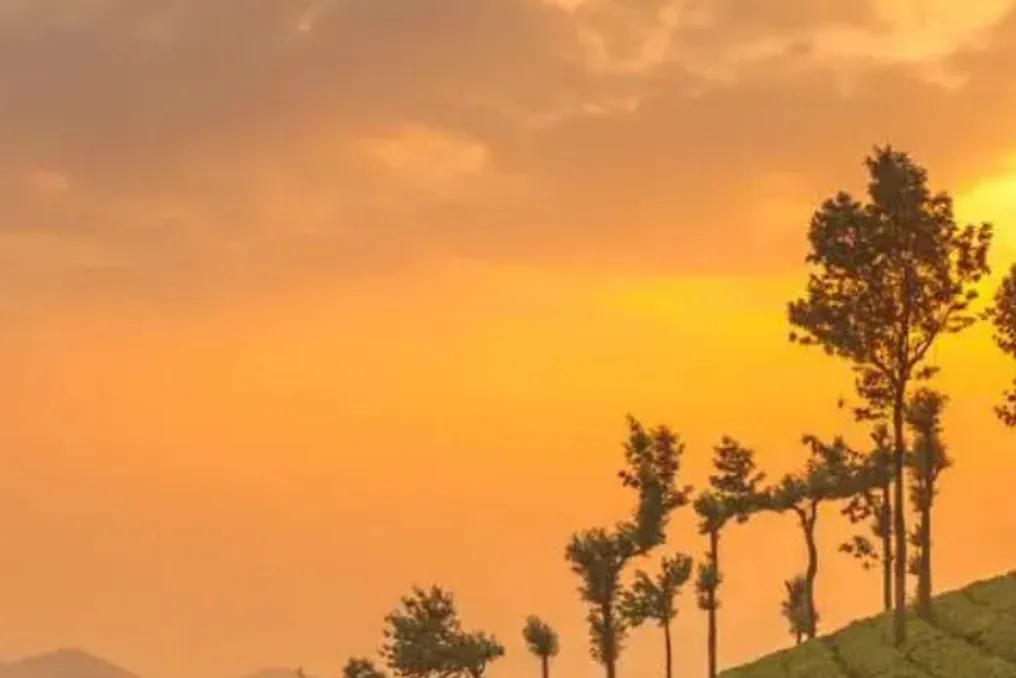
The first example shows green hills covered in neat rows of tea bushes, with low fog over the slopes. This well-known hill station in South India is famous for its cool climate and plantation scenery, and it is the state of Kerala, specifically the Idukki district where Munnar is located. It is situated at an altitude of approximately 1600 meters above sea level and is known for its extensive tea plantations, hills, and misty valleys.

Next, a waterfall is described, plunging from a high cliff into a blue-green pool. It is located near Sohra, an area known for heavy rains, caves, and dramatic landscapes. This is the Noklakai waterfall, situated in Meghalaya, near Sohra. Falling approximately 340 meters, it is one of the highest plunge waterfalls in India and is surrounded by steep rocks and lush, rain-fed terrain.

The third landscape is an expansive white scene that might look like snow at first glance, but the ground is actually covered in salt and stretches almost to the horizon. This impressive natural wonder is located in western India and is called the Great Rann of Kutch in Gujarat. It is a vast seasonal salt marsh that takes on its bright white appearance after the monsoon season.

The fourth example is a high-altitude valley that blooms with alpine flowers during the monsoon season. This picturesque area, surrounded by mountains and trekking trails, is one of India's favorite seasonal wonders. This is the Valley of Flowers in Uttarakhand, which is a Himalayan national park known for its seasonal blossoms.

The last described sight is a river flowing between high white cliffs that appear to glow in the sun. These marble cliffs create one of the most unusual landscapes in central India, and they are best viewed from a boat. This is Bedaghat in Madhya Pradesh, where the Narmada River passes by the Marble Rocks.
Similar stories

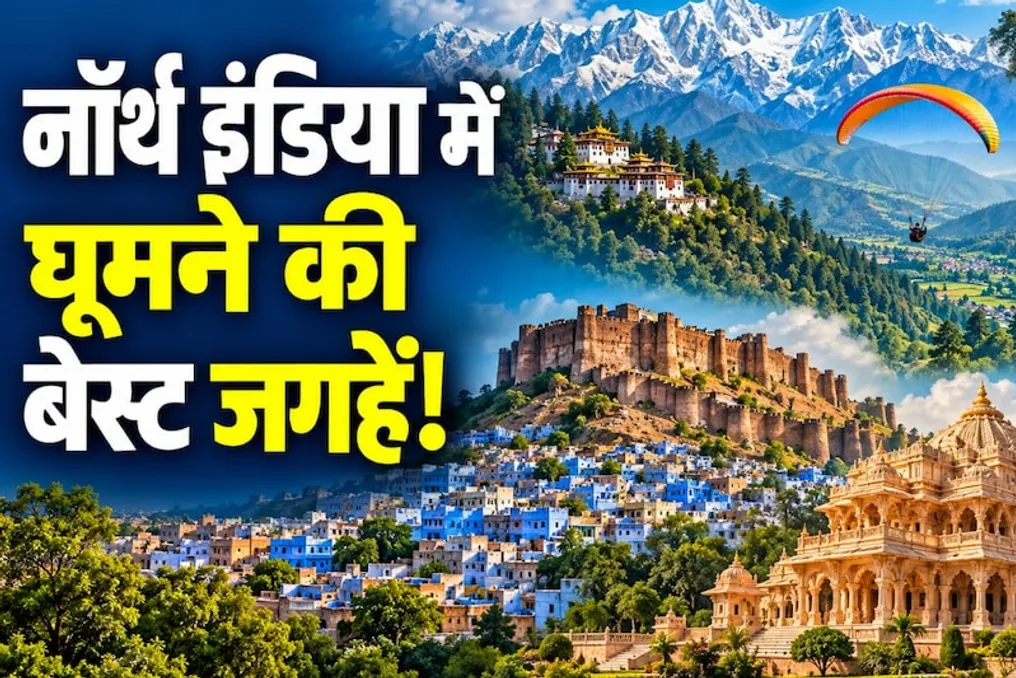
Nine picturesque places in North India that are great alternatives to Manali and Shimla for family vacations
Read more
www.aajtak.in

Nine picturesque places in North India that are great alternatives to Manali and Shimla for family vacations

After August, September is considered a special month for travel enthusiasts. After the rainy season, the mountains, valleys, waterfalls, and greenery take on completely new shades. Although many tourists often head to Manali, Shimla, Mussoorie, and Nainital during holidays or weekends, there are many attractions in North India that often go unnoticed.

If you are planning a trip with friends or family in September, you can visit these unique places in North India where a completely different landscape awaits you. North India boasts incredible beauty, and the way of life in each city here has its own peculiarities, promising many diverse experiences during the journey.

North Indian Attractions Worth Visiting

Darshala, Himachal Pradesh

In Himachal Pradesh, people often limit their visits to Manali, Shimla, and Kasol, ignoring many hidden gems. Darshala, located in the Kangra Valley, looks particularly picturesque during the monsoon season. The views of the Dhauladhar mountains, lush greenery, and waterfalls are mesmerizing. Here you can visit places such as McLeod Ganj, Bhagsunag Waterfall, the Dalai Lama Temple, and the Norbulingka Institute.

Ayodhya, Uttar Pradesh

In Uttar Pradesh, some prefer to stay only in Bengal, whereas Ayodhya is an ideal place for a religious family trip. The main temples here are Ram Janmabhoomi, Hanuman Garhi, and Kanak Bhavan. During the rains, the banks of the Sarayu River look even more beautiful, and the evening Aarti on the Sarayu offers a special sense of peace, unlike the crowds found in Kashi.

Ladakh

In September, the weather and roads in Ladakh are usually favorable for travel. The main highlights of this region are the high mountains, pristine lakes, and Buddhist monasteries. Here you can explore stunning places such as Pangong Tso, Tso Moriri, Vali Nubra, Hemis, and Thiksey. A road or bicycle trip through the roads of Ladakh will remain unforgettable.

Kashmir

During this time of year, the valleys of Kashmir bloom with greenery and flowers. This is why cricketer Shikhar Dhawan recently visited Kashmir with his wife Sophie. In this season, a shikara ride on Dal Lake, visiting Mughal Gardens, and the beauty of Gulmarg, Pahalgam, and Sonamarg have a distinctly special level. This period is also the best time to visit Kashmir, as the Dal Lake freezes with the onset of cold weather, making a shikara ride impossible.

Rishikesh, Uttarakhand

Rishikesh, situated on the banks of the Ganges, is known as a center of spirituality and adventure. It is an excellent place for a short getaway from Delhi and Noida. Here you can attend the Ganga Aarti at Triveni Ghat, visit Beatles Ashram, and nearby temples. However, it should be noted that during the monsoons, the river current can be strong, so water activities should be undertaken while assessing the weather and local administration conditions.

Jodhpur, Rajasthan

Jodhpur is known as the Blue City. After the rain, the color of the blue houses and forts becomes even brighter. If you travel to Jodhpur, be sure to visit Mehrangarh Fort, Jaswant Thada, Umaid Bhawan Palace, and Sardar Market.

Bir Billing, Himachal Pradesh

Travel has ceased to be just a hobby for some people, turning into a profession. Because of this, many non-obvious places in Himachal Pradesh have become popular on social media. One such place is Bir Billing, where you can enjoy a peaceful atmosphere and engage in active recreation. This place is world-renowned for paragliding, and you can also visit tea plantations, Buddhist monasteries, and go trekking in the mountains.

Pachmarhi, Madhya Pradesh

Pachmarhi, known as the 'Queen of Satpura', fills with greenery during the rainy season. Waterfalls and forests enhance its beauty. Among the main places to visit here are Bee Falls, Pandav Caves, and Satpura National Park. If you want to see something beyond Himachal and Uttarakhand, Pachmarhi will be a good choice.

Digha, West Bengal

If you prefer beach relaxation over mountains, Digha in West Bengal is perfect. It is pleasant to walk on the beach, drink coconut water, and try local seafood cuisine. You can also visit the Marine Aquarium and Amrabati Park.

Maharashtra's Flower Valley: Information on Visiting Kas Plateau During the Monsoon Season
Read more
www.aajtak.in

Maharashtra's Flower Valley: Information on Visiting Kas Plateau During the Monsoon Season

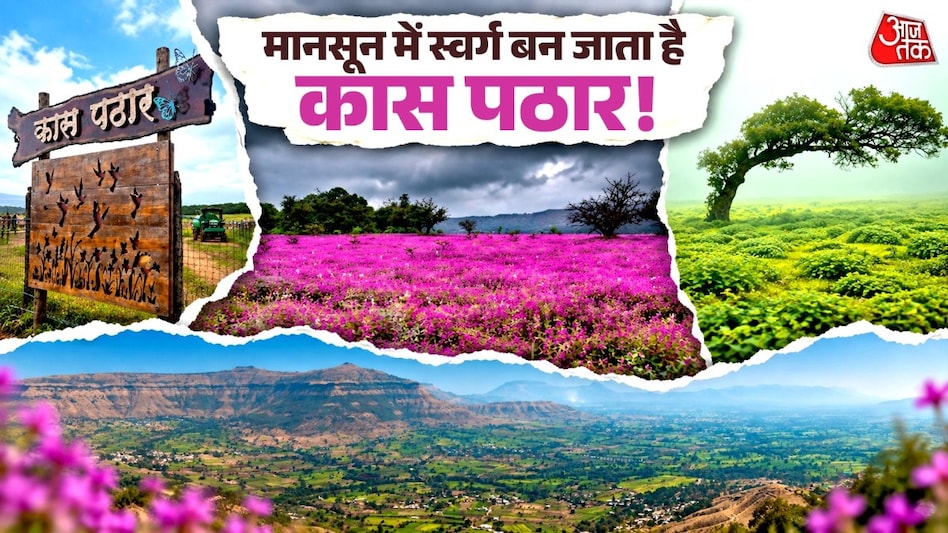
For travel enthusiasts looking for a peaceful and secluded spot away from crowded attractions like Shimla or Manali, a trip to Maharashtra's Flower Valley is available. During the monsoon season, Kas Plateau in Maharashtra transforms, covered by a carpet of colorful flowers. Amidst the lush greenery, one can see a tapestry of pink, yellow, purple, and white blossoms, creating the impression of a painting.

This is why Kas Plateau is considered one of Maharashtra's most picturesque places during the monsoon season. Located among the Sahyadri mountains in the Satara district, this region attracts visitors not only with stunning views but also with numerous rare and local species of flowers and plants. If you are planning a trip to Kas Plateau during this season, it is crucial to know the following six points.

Location of Kas Plateau

Kas Plateau is also known as Kas Patar. It is situated in the Satara district, Maharashtra state, near the Western Ghats. The distance from Pune is about 140 kilometers, and from Mumbai—approximately 273 kilometers. Access by road is quite easy. The beautiful landscapes of the Sahyadri mountains and the greenery along the route make the journey special, making this place suitable for a short road trip from Pune or Mumbai.

Main Feature of Kas Plateau

The hallmark of Kas Plateau is the wild flowers that bloom here. Over 850 species of flowers and plants have been discovered on the plateau, including many rare and local varieties. When these flowers bloom simultaneously during the monsoon season, the entire plateau is filled with shades of pink, yellow, white, and purple. This feature distinguishes Kas from other hill stations.

Best Time to Visit

The optimal time to visit Kas Plateau is from late August to early October. This period sees the greatest blooming of wild flowers. After the rain, the weather becomes pleasant, and sometimes fog may cover the plateau. The combination of flowers, clouds, and green hills creates an incredibly beautiful sight. To avoid crowds, it is better to choose weekdays over weekends.

Nature Beyond Flowers

When visiting Kas Plateau, tourists will see more than just colorful flowers. The surrounding green mountains, cool air, cloud-covered sky, and atmosphere of tranquility lend this place a special charm. If you enjoy nature photography, there are many magnificent shots to be found here. Nevertheless, it is very important to ensure that the flowers and plants are not damaged.

Importance of Crowd Control

The ecosystem of Kas Plateau is very fragile. Therefore, the number of tourists visiting this place is controlled. The goal of this control is to protect this natural area from damage that could be caused by large numbers of people and tourist carelessness. Thus, before visiting, it is necessary to familiarize yourself with the entry rules.

How to Get There and What to See Nearby

Kas Plateau is connected by road networks to Pune and Mumbai. During a road trip, you can enjoy the beautiful views of the Sahyadri mountains. Upon arrival at the site, you can include nearby locations such as Kas Lake and Toshegar Waterfall in your itinerary.

Popular