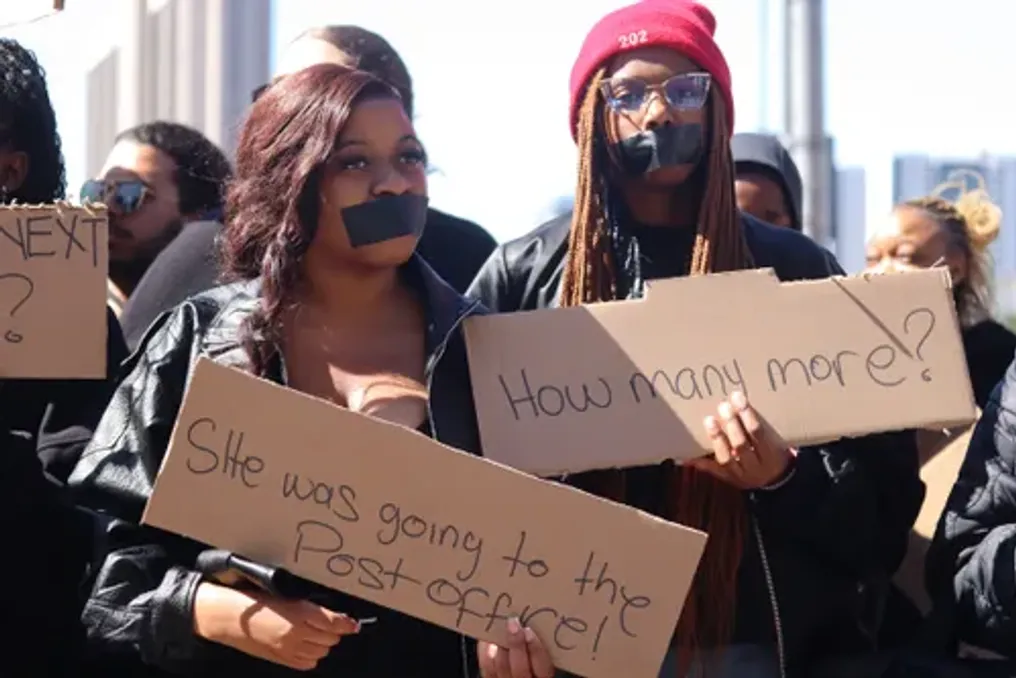
The discovery of nine women's bodies in eKhuruleni has shocked local communities, while SAPS strongly advises women in the Kempton Park area to avoid walking or running alone.
For many women, ordinary moments have turned into calculations: Is it safe to go there alone? Should I run until dawn? Do I need to wait for someone to drive me?
Running used to be just running. A woman could put on sneakers, leave the house, put in headphones, and disappear for an hour in the morning without explaining her route to anyone. However, today, even the most routine tasks for many South African women are accompanied by a list of precautions.
The discovery of nine women's bodies in eKhuruleni since July has brought these fears too close to home. The police are investigating whether some of these cases are connected, but have not yet confirmed whether the deaths were committed by one person or if a serial killer is responsible. Four of these women have been publicly identified.
Among them are 32-year-old Itumeleng Kekana, whom her family searched for after she went missing from Kempton Park; 38-year-old Elizabeth 'Tshontso' Moselakgomo, a mother and runner who disappeared after going for a run; 38-year-old Dineo Evelyn Motapane, whose body was found in KwaTempe; and 28-year-old Grace Nkomo, whose body was found along the R21 highway in Kempton Park. Behind each name is a family that waited for the return of a daughter, mother, sister, or friend, only to remain in anticipation of answers.
When police advise women not to walk alone
Fear has become so severe that the police have issued special safety recommendations for women in Kempton Park and surrounding areas. SAPS warned women to exercise extreme caution following the discovery of multiple bodies in this zone.
SAPS stated: 'Women in Kempton Park and surrounding areas are advised not to walk or run alone, especially in isolated places.' The police also advised avoiding secluded spots, remaining vigilant, and moving or exercising in groups whenever possible. While this advice may be a precaution, for many women, it is hard not to hear something more painful in it: that what should be ordinary is no longer considered safe.
Among those reacting was Rachel Kolisi, who expressed her feelings about the murders on social media. In a sharp post, she wrote: 'Let's be honest. This is femicide.' She then added a short message reflecting the exhaustion many women have expressed amid ongoing violence: 'I feel bad. I am exhausted.'
Running
For women who love to run, the decision of when and where to train now requires careful planning. A quiet road might be perfect for a morning run, but silence can also mean isolation. A woman might choose a busy route. She might only run during the day. She might share her location with a loved one or ask someone to accompany her.
For some women, running alone has become something they no longer feel comfortable doing. The story of Moselakgomo made this fear particularly agonizing. The 38-year-old woman disappeared after leaving her home in Kempton Park for a regular run on September 9th. Her body was later found in Rhodesfield, near R21. Her family subsequently identified her remains. The woman went for a run and never returned home.
Walking home alone
Returning home after work, school, or an evening outing should be a normal part of adult life. Nevertheless, many women call someone before reaching their destination. They keep keys between their fingers. They cross the street if a man is following them. They try not to look at their phones because they must remain aware of their surroundings. Some pretend to talk to someone. Others ask a friend to stay on the line until they safely enter the house.
It is not just about fear. It is about the fact that women know that what seems like an ordinary journey can end in tragedy.
Taking an e-hailing ride or taxi alone
For some women, getting into a vehicle with a stranger has become another calculation. They check the license plate number. They share the driver's details. They track the route. They send a screenshot to a friend. They call someone and keep the conversation going until arrival.
What should be a simple trip from one place to another can turn into an exercise in vigilance.
Going out at night
A woman should be able to meet friends for dinner, attend a concert, or spend an evening out without planning her escape before arriving. Instead, some women plan who will drive them home, where they will park, who will escort them to the car, and who they can call if something goes wrong. The question is often not just, 'Am I having a good time?', but 'How do I get home safely?'
Visiting a secluded beach or hiking trail
The country's natural beauty is one of its greatest attractions. But isolated beaches, hiking trails, parks, and scenic spots can also make people vulnerable when immediate help is unavailable. For many women, the idea of exploring a place alone has become difficult. A solo hike may mean having to tell several people exactly where you are going. A walk on the beach may require choosing a busy section instead of a quiet one. A beautiful viewpoint may come with the unpleasant thought: 'Who else is here?'
Travelling alone
Solo travel is often described as liberating. However, for women, freedom can come with precautions. They may research areas before booking accommodation, avoid walking after dark, and inform family members of their whereabouts. They may arrange airport transfers instead of using public transport alone at night. These precautions can become so habitual that women barely notice how much mental energy they expend ensuring their own safety.
Living alone
Even being alone at home can sometimes feel different. Women check if doors and windows are locked. They may avoid telling strangers that they live alone. They may be cautious when accepting deliveries. They may leave lights on in certain rooms when away. And when something unusual is heard outside, the first reaction may not be curiosity. It may be fear.
Going to the shops
A quick trip to the store should not require a safety plan. But women may find themselves checking who is nearby in the parking lot, avoiding empty parking zones, and keeping their belongings close. The walk from the store entrance to the car can seem longer when it is dark or when there are few people around.
Clothing
Perhaps one of the most painful consequences of violence against women is that some women are forced to doubt even their clothing. A skirt, dress, shorts, or low-cut top should never determine whether someone deserves safety. Nevertheless, women are still told what they wear, where they go, who they are with, and how much they drink. The responsibility for preventing violence should not fall on women just because they are told how to reduce their vulnerability to danger.
Simply being alone
And perhaps this is the biggest loss. The freedom to simply be alone. Sitting in a park. Walking down the street. Running. Traveling. Going dancing. Taking a taxi. Exploring a new place. Returning home late. Living independently. Existing in a public space without constantly scanning the environment for danger.
The nine women found dead in eKhuruleni were not just numbers added to a growing investigation. Itumeleng. Elizabeth. Dineo. Grace. And five other women whose families and loved ones are still waiting for their names to be publicly established. Their deaths have caused grief, anger, and fear, while investigators work to determine if there are connections between these cases.
A multi-disciplinary task force, including specialized detectives and the Department of Forensic Psychology, has been created to investigate the deaths. These cases have also forced women across the country to confront a deeply uncomfortable question: what part of our freedom do we give up because we are afraid of becoming the next victim?
Precautions can reduce risk, but women should not live according to a list of places they cannot go, times they cannot leave home, or activities they cannot do alone. They should be able to run. They should be able to walk. They should be able to travel. They should be able to live. And they should be able to do so without wondering if they will make it home.